The 10 Best Smart Thermostats
Upgrading your thermostat is one of the fastest ways to cut heating and cooling costs. Our research covers ecobee, Google Nest, Sensi, Honeywell Home, Aqara, and Amazon across every budget.
 By Constance Jenkins
Updated July 23, 2026
By Constance Jenkins
Updated July 23, 2026
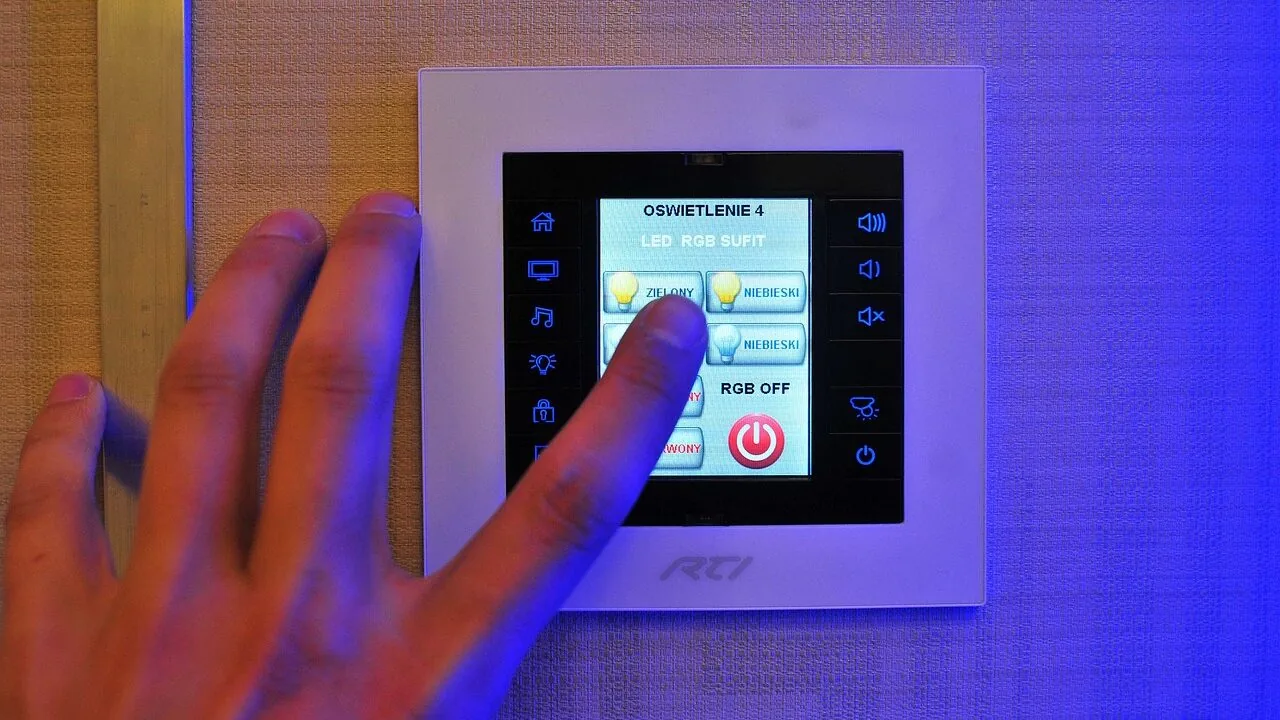
A smart thermostat is one of the highest-return upgrades any homeowner can make, and it pays off in more ways than one.
Beyond the convenience of adjusting your home’s climate from a phone or with a voice command, today’s best smart thermostats actively learn your schedule, detect when you’re away, and dial back heating and cooling accordingly. The U.S.
Department of Energy estimates that setback scheduling alone can trim HVAC costs by around 10% per year, and the newest generation goes further still, integrating room sensors, air-quality monitoring, and adaptive scheduling powered by machine learning.
With options spanning entry-level Wi-Fi models to premium learning thermostats from brands like ecobee, Google, Sensi, Honeywell Home, Aqara, and Amazon, the category has never been more competitive or more confusing to navigate.
This guide cuts through the noise. The team at ProductFind synthesized published specifications, expert review consensus, and verified buyer feedback across the full price spectrum to surface the models genuinely worth your money in 2026.
Whether you’re replacing a cracked manual thermostat, fine-tuning an existing smart home ecosystem, or managing energy costs in a rental property, the ranked picks below give you a clear, research-backed starting point for every budget and HVAC setup.
| Award | Product | PF Score About PF ScoreThe PF Score is our own rating from 0 to 10, based on performance, design and build, ease of use, and value. It reflects independent research and is never influenced by manufacturers, retailers, or affiliate commissions. Learn more › | Price | |
|---|---|---|---|---|
| Best Overall |
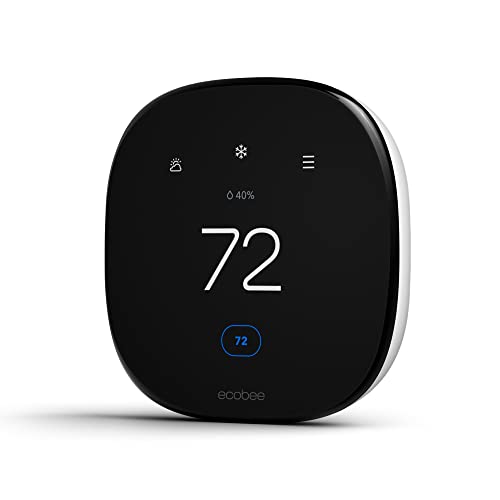 ecobee Smart Thermostat Enhanced WiFi Programmable
|
9.1/10 | Buy | |
| Editor's Pick |
 Google Nest Learning Thermostat 4th Gen with Sensor
|
8.7/10 | Buy | |
| Best Value |
Google Nest Learning Thermostat 4th Gen with Sensor
|
8.6/10 | Buy | |
| Top Rated |
 Amazon Smart Thermostat with Alexa
|
8.1/10 | Buy | |
 Sensi ST55 Smart Thermostat with Wi-Fi
|
7.5/10 | Buy | ||
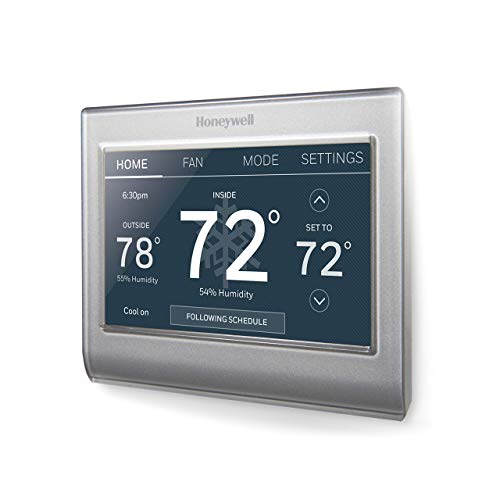 Honeywell Home RTH9585WF1004 Wi-Fi Smart Thermostat
|
7.3/10 | Buy | ||
 Sensi Touch ST75 Smart Thermostat with Color Display
|
7.2/10 | Buy | ||
 Aqara W200 Smart Thermostat with 4-inch Display
|
6.8/10 | Buy | ||
 Vine 4.3-Inch Smart Thermostat with Nightlight
|
6.4/10 | Buy | ||
 EdgeAnt WiFi Programmable Thermostat with Alexa
|
6.2/10 | Buy |
ecobee Smart Thermostat Enhanced WiFi Programmable
A WiFi-enabled programmable thermostat that learns your schedule and adjusts temperatures automatically to save on heating and cooling costs. Works with 90% of HVAC systems and includes installation accessories, making it accessible for DIY setups.
Pros
- Learns your schedule and adjusts automatically based on occupancy and humidity
- Comprehensive compatibility with most HVAC equipment types without requiring a common wire
- Remote control via multiple platforms and wearable devices
- Includes installation kit for easier DIY setup
- Hardwired design eliminates battery replacement concerns
Cons
- 4.3 rating with zero verified reviews limits real-world feedback on reliability and performance
- Requires checking system compatibility beforehand, and some installations may need additional accessories
- No information provided on setup difficulty or learning curve for programming features
Google Nest Learning Thermostat 4th Gen with Sensor
Google's latest learning thermostat combines a larger display with advanced energy-saving features, including adaptive eco mode and multi-room temperature control via included sensor. Best for homeowners seeking smart climate management without requiring a C wire in most installations.
Pros
- Significant potential energy savings documented at 31% reduction
- Broad system compatibility covers gas, electric, oil, heat pump, and radiant systems
- Included temperature sensor enables room-by-room comfort management
- Large display with automatic brightness adjustment improves usability
- Permission-based schedule adjustments with app notifications reduce unwanted changes
Cons
- No verified customer reviews available to assess real-world performance and reliability
- Adaptive Eco and natural heating features depend on accurate weather data and may not optimize equally in all climates
- Requires Google Home app integration for full functionality, limiting flexibility for non-Google ecosystem users
Google Nest Learning Thermostat 4th Gen with Sensor
Google's latest learning thermostat combines adaptive temperature control with a larger borderless display and bundled temperature sensor for multi-room management. It works across most HVAC systems without requiring a C wire and claims average savings of 12-15% on heating and cooling bills.
Pros
- Broad HVAC compatibility and simplified installation without C wire
- Bundled temperature sensor enables targeted room-by-room temperature management
- Larger display with auto brightness adjustment improves usability
- Learns heating/cooling patterns to optimize energy use automatically
- Integrates with major smart home ecosystems
Cons
- Renewed unit status may affect warranty coverage and return options
- Energy savings claims lack independent verification in product data
- No verified user reviews available to confirm real-world performance
Amazon Smart Thermostat with Alexa
Amazon's smart thermostat integrates with your Alexa ecosystem to automate heating and cooling based on room occupancy and temperature. It's backed by Honeywell Home technology and offers remote control via the Alexa app, though installation requires an existing C-wire.
Pros
- Seamless Alexa ecosystem integration for voice and automation control
- Comfort zone functionality automatically adjusts temperature by room occupancy
- ENERGY STAR certification supports measurable energy savings
- Guided DIY installation reduces professional setup costs
- Backed by established Honeywell Home thermostat heritage
Cons
- Requires existing C-wire installation, limiting compatibility with older HVAC systems
- No verified customer reviews available to assess real-world reliability
- Advanced scheduling features tied to Alexa+ subscription service
Sensi ST55 Smart Thermostat with Wi-Fi
A straightforward smart thermostat that installs without professional help and doesn't require a common wire in most setups. Its Energy Star certification targets around 23% savings on heating and cooling costs, with remote access and maintenance alerts built in.
Pros
- DIY installation with no common wire needed for most HVAC systems
- Energy Star certified with reported 23% potential HVAC energy savings
- Maintains traditional thermostat appearance, no wall patching required
- Privacy-focused design with no third-party data sharing
- Smart maintenance monitoring with filter replacement reminders
Cons
- No verified user reviews available to assess real-world performance
- Requires Wi-Fi connectivity and smartphone app for remote features
- Limited compatibility details for certain HVAC equipment types
Honeywell Home RTH9585WF1004 Wi-Fi Smart Thermostat
A 7-day programmable Wi-Fi thermostat with a color touchscreen and Energy Star certification, designed for homes with forced air, heat pump, or hydronic systems. Integrates with Alexa and Google Home for remote control and offers demand response enrollment for potential energy savings.
Pros
- Bright, intuitive touchscreen interface simplifies daily operation
- Energy Star certification with built-in tracking and personalized energy-saving tips
- Seamless smart home integration with Alexa, Google Home, and Honeywell mobile app
- Flexible programming adapts to personal schedules or utility peak-rate pricing
- Eligible for utility rebates and demand response program rewards
Cons
- Requires C-Wire for power; incompatible with electric baseboard heat and heating-only oil furnace systems without adapter
- No user reviews available to validate real-world performance and reliability
- Installation may require professional assessment to confirm system compatibility and C-Wire availability
Sensi Touch ST75 Smart Thermostat with Color Display
Sensi's touchscreen thermostat offers straightforward smart home control with Energy Star certification and privacy-focused operations. DIY installation is feasible for most homes, though a C-wire connection is mandatory.
Pros
- Energy monitoring and usage reports help track HVAC efficiency
- Data privacy emphasis distinguishes it from competitors selling user information
- Flexible scheduling and remote access for convenience
- Large color display is legible and modern in design
- Maintenance tracking reduces unexpected equipment failures
Cons
- Requires C-wire installation, limiting compatibility with some older HVAC systems
- No verified buyer reviews available to confirm real-world reliability
- Touchscreen and smart features add complexity compared to basic programmable models
Aqara W200 Smart Thermostat with 4-inch Display
A feature-rich smart thermostat combining climate control with a built-in smart home hub, Matter controller, and mmWave radar presence detection. Apple users benefit from Adaptive Temperature and Clean Energy Guidance, while broad platform support via Matter makes it accessible across ecosystems.
Pros
- Dual smart home functionality as thermostat and front-door visual control panel for Aqara doorbells and locks
- Local Matter-based control ensures faster response and continued operation if cloud services change
- mmWave radar presence detection more reliable than motion sensors for automating temperature and lighting
- Serves as centralized hub for Zigbee and Thread devices, reducing need for separate hubs
- Wide HVAC compatibility with no C-wire workaround available if needed
Cons
- Apple Adaptive Temperature and Clean Energy Guidance require specific Apple ecosystem (home hub, iPhone/Watch running version 26+)
- Clean Energy Guidance only available in contiguous U.S., limiting value for many users
- No user reviews available yet to validate real-world performance and reliability
- Requires additional Aqara devices (C-Wire Adapter, W100 wireless sensor, compatible doorbell) for full feature set
Vine 4.3-Inch Smart Thermostat with Nightlight
A WiFi-enabled programmable thermostat with a large touchscreen, nightlight feature, and voice control compatibility for Alexa and Google Home. Best suited for homeowners seeking remote climate management and flexible scheduling without professional installation.
Pros
- Large touchscreen display with nightlight eliminates strain in low-light environments
- Voice and app control offers genuine convenience for remote temperature adjustments
- Broad system compatibility reduces installation concerns for most residential HVAC setups
- Quick DIY installation with included documentation and online resources
- Energy-saving scheduling modes lower heating and cooling expenses
Cons
- Requires a common wire (C-wire) for operation, which may not exist in older homes and would necessitate additional wiring
- No verified customer reviews available to confirm real-world reliability or user experience
- Compatibility check via QR code required before purchase due to the 10% of systems it does not support
EdgeAnt WiFi Programmable Thermostat with Alexa
EdgeAnt's WiFi thermostat offers broad compatibility with most 24V home systems and promises up to 25% annual energy savings through app and voice control. Requires a C-Wire and works only on 2.4GHz WiFi networks.
Pros
- Wide system compatibility covers most common setups (natural gas, electric, heat pumps, oil)
- App and voice control provide convenient remote management
- Built-in energy tracking helps monitor savings
- Includes practical features like filter change reminders and temperature alerts
Cons
- Mandatory C-Wire requirement limits installation options for some older homes
- 2.4GHz WiFi only, no 5GHz support which may cause connectivity issues in congested networks
- No verified customer reviews available to validate claimed 25% energy savings or real-world performance
Smart Thermostats Buying Guide
Shopping for a smart thermostat involves more than picking the sleekest display.
Your HVAC system type, wiring, preferred smart home platform, and how hands-on you want to be with scheduling all shape which model will actually serve you well day to day.
The sections below walk through each major decision point so you can match a thermostat to your real-world situation rather than just its spec sheet.
If you’re simultaneously upgrading other parts of your home, pairing a smart thermostat with smart light switches and a solid indoor security camera setup is a natural next step toward a fully automated home.
HVAC System Compatibility

Before you buy anything, confirm your heating and cooling system is compatible. Most modern forced-air systems use a standard 24V control wiring setup that nearly every smart thermostat on this list supports.
Where things get complicated is with multi-stage systems, heat pumps with auxiliary heat, dual-fuel setups, or radiant and boiler systems. ecobee models explicitly support complex multi-stage heat pumps and dual-fuel configurations, which is a key reason the brand earns high praise from HVAC professionals and verified buyers alike.
Electric baseboard heating and high-voltage systems (120V or 240V) are a different story entirely. Most Wi-Fi thermostats in this guide are designed for low-voltage systems only.
Always check the thermostat manufacturer’s compatibility tool before purchasing, using the wire labels on your existing unit as reference. Both the Aqara W200 and the Amazon Smart Thermostat provide in-app compatibility checkers that walk you through this step.
If you’re also planning to add smart sprinkler controllers or other outdoor climate devices, checking your home’s overall low-voltage wiring capacity upfront saves headaches later.
C-wire (common wire) availability is another critical detail. Several models here, including the Sensi ST75, the Amazon Smart Thermostat, and the EdgeAnt Wi-Fi thermostat, require a C-wire for stable power.
If your home lacks one, ecobee ships a Power Extender Kit with select models, while the Google Nest Learning Thermostat (4th gen) uses a built-in battery and harvests charge during HVAC cycles, removing the C-wire requirement in most installations.
Learning and Scheduling Intelligence

Smart thermostats split into two broad camps when it comes to scheduling: models you program manually (even if it’s easy) and models that learn your routine automatically. The Google Nest Learning Thermostat is the gold standard for the second camp.
Its fourth-generation model uses on-device AI and occupancy sensing to build a schedule based on your actual behavior over roughly a week, then refines it continuously.
Expert reviewers consistently highlight this as the most genuinely hands-off scheduling experience available, and verified buyers in the Google ecosystem echo that assessment.
ecobee takes a hybrid approach: it ships with a default schedule you configure during installation, but its SmartSensor and occupancy detection allow it to fine-tune setpoints based on which rooms are actually occupied.
The result is arguably more precise comfort than pure learning alone, because the thermostat isn’t guessing when you’re home; it knows which zone is active.
For users who prefer to stay in control, programmable models like the Honeywell Home RTH9585WF1004 and the Sensi ST55 offer straightforward 7-day scheduling through well-reviewed apps.
Budget-oriented options such as the Vine Smart Thermostat and the EdgeAnt model support 7-day, multi-period programming but lack occupancy sensing or machine learning.
They represent a meaningful step up from a traditional programmable thermostat, but the energy savings will depend entirely on how carefully you configure the schedule upfront.
For households where routines are predictable and budgets are tight, that tradeoff is entirely reasonable.
Smart Home Ecosystem Integration

The best smart thermostat for your home is largely the one that plays nicely with the ecosystem you already use. Every model in this guide supports Amazon Alexa, so compatibility at that level isn’t a differentiator.
The real distinctions show up at the edges: Apple HomeKit support is relatively rare in the thermostat category, making the Aqara Smart Thermostat W200 stand out for iPhone-heavy households.
It also ships as a Matter controller, a future-proof detail for anyone building a platform-agnostic smart home.
ecobee supports Alexa, Google Assistant, Apple HomeKit, and SmartThings simultaneously, which is why it appears consistently at the top of expert consensus rankings across the industry.
Google Nest integrates most deeply with Google Home and works well with Alexa, but HomeKit support is limited.
If you’re already invested in Google’s ecosystem with a Nest Hub or Google Home speakers, the Nest thermostat becomes an obvious fit that the competition can’t quite replicate in terms of seamless data sharing and energy insights.
For users building out a broader smart home, consider how your thermostat will interact with your other devices.
A thermostat that supports routines and automations, triggering setback temperatures when your smart lock detects everyone has left, delivers far more value than one limited to schedule-only control.
This kind of whole-home thinking, linking climate control alongside smart light bulbs, smart plugs, and motorized smart blinds, is where the premium models genuinely earn their price premium.
Display, Interface, and Installation

Display quality matters more than it might seem, because a thermostat is one of the few smart home devices you’ll physically interact with daily rather than controlling exclusively through an app.
The ecobee Smart Thermostat Enhanced and the Sensi Touch ST75 both use color touchscreens that earn consistent praise from verified buyers for readability and responsiveness.
The Aqara W200 steps up to a 4-inch touchscreen with a clean interface, while the Vine Smart Thermostat offers a 4.3-inch display with a built-in nightlight, a detail that proves unexpectedly popular with buyers who adjust the thermostat during nighttime hours.
Google Nest’s 4th-gen learning thermostat takes a different design philosophy: its interface is intentionally minimal, with most interaction happening through the Google Home app or voice commands.
Expert reviewers note the hardware is among the most elegant on the market, which matters if the thermostat is mounted prominently in a living area.
The Amazon Smart Thermostat opts for simplicity over aesthetics, with a straightforward display that complements its entry-level positioning.
Installation complexity varies widely. Sensi and ecobee both provide step-by-step in-app installation guidance with labeled wire diagrams, and verified buyers routinely describe successful DIY installs in under 30 minutes.
Google Nest’s 4th-gen model similarly walks users through setup using the camera on their phone to identify existing wires.
If you’re uncertain about your wiring or have an older system, engaging a licensed HVAC technician is still the safest route regardless of which model you choose.
Rounding out your installation with water leak detectors near HVAC equipment is a sensible precaution that many homeowners overlook.
Energy Savings and Reporting

All smart thermostats promise energy savings, but the depth of reporting and the intelligence behind those savings differ substantially. ecobee’s Home IQ and Google Nest’s Energy History are the two most comprehensive energy-reporting tools in the category.
Both provide detailed breakdowns of how long your HVAC ran, what drove runtime changes, and how your home compares to similar households, giving you actionable insight rather than just a running total.
ecobee goes a step further with its Eco+ feature, which uses weather forecasts, utility rate data, and your preferences to pre-cool or pre-heat your home during cheaper off-peak electricity hours.
For households in markets with time-of-use electricity pricing, this feature alone can deliver measurable bill reductions. Google Nest’s Adaptive Eco mode similarly adjusts setpoints intelligently based on occupancy and outdoor conditions.
Pairing either of these with a smart air purifier on an automation schedule can further optimize your home’s overall energy footprint.
Budget options like the Honeywell Home RTH9585WF1004 and the Sensi ST55 provide basic app reporting with runtime logs but lack the predictive or utility-integrated features of the premium tier.
For straightforward savings, even a well-scheduled basic smart thermostat outperforms leaving a system running at a fixed temperature around the clock, particularly in climates with significant seasonal swings.
Privacy and Data Practices
A thermostat that tracks occupancy and daily habits collects sensitive behavioral data, and privacy policies vary meaningfully across brands. ecobee has earned repeated recognition from privacy-focused reviewers for a clear, consumer-friendly data policy that limits how occupancy data is used and provides opt-out controls for data sharing with third parties.
Sensi by Emerson also highlights data privacy explicitly in its product marketing, a reassuring signal for buyers who are cautious about what connected devices know about their routines.
Google and Amazon both operate within their own broader data ecosystems, and their thermostats feed into those platforms accordingly. If you’re already a heavy Google Home or Alexa user, this is unlikely to change your calculus.
If data minimization is a priority, ecobee and Sensi are the clearer choices.
The Aqara W200’s local processing via its built-in radar sensor also limits cloud dependency compared to models that rely more heavily on server-side intelligence, making it an appealing pick for privacy-conscious households that also want Apple Home compatibility.
Anyone weighing connected home security more broadly will find that a home security system with transparent data practices pairs well with the same mindset.
Rental Properties and Vacation Homes

Managing climate control in a property you don’t occupy full-time calls for a specific set of priorities.
Remote access via a reliable smartphone app is non-negotiable: being able to adjust temperatures from anywhere prevents both energy waste and the kind of extreme temperature swings that can damage pipes or furnishings.
Geofencing features, which automatically shift the system into an energy-saving mode when no one is detected nearby, add another layer of hands-off efficiency for vacation homes and investment properties.
The Amazon Smart Thermostat and the Sensi ST55 are both well-suited to this use case, offering reliable remote access at entry-level to mid-range price points that make sense for properties where you might install multiple units.
App stability matters here as much as features: choose a brand with a strong track record for consistent connectivity and offline fallback scheduling. A video doorbell rounds out your remote monitoring setup without requiring on-site visits for routine property checks.
Why You Should Trust Us
ProductFind is an independent review platform. We do not manufacture, sell, or take direction from brands.
Every product in this guide was evaluated using a consistent research framework: we analyze published technical specifications, synthesize expert review consensus from credentialed HVAC and smart home sources, weigh verified buyer feedback from confirmed purchasers, and incorporate published performance data with traceable sources.
Each product is then assigned a PF Score on a 0 to 10 scale, reflecting how well it performs relative to the full competitive set across criteria that matter to real buyers: HVAC compatibility, ease of installation, ecosystem integration, energy intelligence, display quality, privacy practices, and overall value.
The ecobee Smart Thermostat Enhanced earning the highest PF Score in this group, for example, reflects near-universal expert endorsement, consistently high verified buyer satisfaction, and a specification set that outperforms the competition across multiple criteria simultaneously.
We do not conduct our own product trials; our evaluations are grounded in research, published data, expert review consensus, and verified buyer feedback.
This approach lets us cover a broader range of products more rigorously than single-reviewer assessments, because our scores reflect the weight of multiple independent sources rather than one person’s experience on one day.
ProductFind may earn an affiliate commission when you purchase through links on this page. That relationship has no bearing on rankings, scores, or which products appear in the guide.
Our recommendations are editorially independent and would be the same whether or not affiliate programs existed. We disclose this relationship because transparency is a core part of how we operate.
Final Thoughts
The smart thermostat market in 2026 spans a wide range of capabilities and price points, and the right pick depends heavily on your HVAC system, smart home ecosystem, and how much automation you actually want.
After synthesizing expert consensus and verified buyer feedback across all ten models in this guide, here are our standout picks by use case:
- Best Overall: ecobee Smart Thermostat Enhanced earns the top spot with the highest PF Score in this group, backed by near-universal expert endorsement, best-in-class multi-platform ecosystem support spanning Alexa, Google Assistant, Apple HomeKit, and SmartThings, a robust remote sensor system, and a privacy policy that stands out in the category.
- Best Learning Thermostat: Google Nest Learning Thermostat (4th gen) with Nest Temperature Sensor is the most intelligent self-programming thermostat available, using AI-driven Auto-Schedule and Adaptive Eco to minimize manual setup while maximizing energy savings for users already in the Google ecosystem.
- Best Budget Pick: Amazon Smart Thermostat delivers a genuinely capable Wi-Fi thermostat at an entry-level price point, with solid Alexa integration and straightforward setup that makes it the most accessible upgrade from a basic programmable model.
- Best for Apple HomeKit Users: Aqara Smart Thermostat W200 is the standout choice for households centered on Apple Home and Siri, combining native HomeKit support, Matter controller capability, and a built-in radar occupancy sensor in a package that few rivals match for Apple-centric smart home builds.
- Best Mid-Range Value: Sensi Smart Thermostat ST55 offers a clean DIY installation experience, reliable app control, Energy Star certification, and solid Alexa compatibility at a mid-range price that verified buyers consistently describe as punching above its weight.
Whichever model you choose, a smart thermostat is one of the few home upgrades that genuinely pays for itself over time through reduced energy bills and improved comfort.
Pairing it with other connected devices amplifies that value further: LED strip lights on automated schedules, a Wi-Fi baby monitor for room-by-room awareness, or a whole-home approach that ties climate, lighting, and security together into a single ecosystem all extend what a smart thermostat starts.
Adding a smart pet feeder to your home automation routines is another natural complement for households managing schedules around both people and pets.
Frequently Asked Questions
Do I Need a C-Wire to Install a Smart Thermostat?
Many smart thermostats require a C-wire (common wire) to provide continuous 24V power. Several models in this guide, including the Sensi ST75, Amazon Smart Thermostat, and EdgeAnt, list it as a firm requirement.
However, you have options if your home lacks one. ecobee includes a Power Extender Kit with select models that eliminates the need for a dedicated C-wire in most systems.
Google Nest’s 4th-gen learning thermostat uses a built-in rechargeable battery topped up during HVAC cycles, so it works without a C-wire in the majority of installations.
If you’re unsure whether your system has a C-wire, check the existing thermostat’s wiring panel or use the compatibility checker provided by the thermostat brand before purchasing.
How Much Can a Smart Thermostat Actually Save on Energy Bills?
Savings vary depending on your climate, HVAC system efficiency, home size, and how you were managing your thermostat before. The U.S. Department of Energy estimates that setback scheduling alone can reduce heating and cooling costs by around 10% annually.
Models with advanced features like ecobee’s Eco+ utility integration or Google Nest’s Adaptive Eco can push savings higher in households with time-of-use electricity pricing or inconsistent occupancy patterns.
Even straightforward scheduling on a mid-range model like the Honeywell Home RTH9585WF1004 delivers meaningful savings compared to leaving a system running at a fixed temperature all day.
Complementing your thermostat with smart plugs that cut standby power adds further reductions over time.
What Is the Difference Between a Learning Thermostat and a Programmable Smart Thermostat?
A programmable smart thermostat lets you set a schedule manually through an app or the device itself, and it follows that schedule precisely.
A learning thermostat, like the Google Nest Learning Thermostat, observes your manual adjustments over days or weeks and automatically builds a schedule that reflects your actual behavior, then continues to refine it over time.
The practical difference is setup effort and adaptability: learning thermostats require minimal configuration and adjust when your routine changes, while programmable models give you more direct control but require you to update schedules yourself when your habits shift.
For most households, the choice comes down to how much you value automation versus predictability.
Can a Smart Thermostat Work with My Existing Smart Home Setup?
In most cases, yes, but the depth of integration varies by platform. Every model in this guide works with Amazon Alexa for voice control. ecobee additionally supports Google Assistant, Apple HomeKit, and SmartThings, making it the most platform-agnostic option available.
Google Nest integrates most deeply with Google Home and Alexa but has limited HomeKit support. The Aqara W200 is the standout choice for Apple Home users and also functions as a Matter controller, enabling broader interoperability with other Matter-compatible devices.
If you’re building out a connected home across multiple device categories, confirming your thermostat’s ecosystem compatibility upfront, alongside smart locks and other devices, saves a lot of frustration later.
Is a Smart Thermostat Difficult to Install Without a Professional?
For most homeowners with standard forced-air systems, DIY installation is very achievable. Sensi and ecobee are particularly well-regarded for their guided app-based installation, which walks you through wiring step by step with diagrams matched to your specific wire configuration.
Verified buyers for both brands frequently report completing installs in 20 to 30 minutes with no prior HVAC experience. Google Nest uses your phone’s camera to identify existing wires and map them automatically, further simplifying the process.
That said, if your system is older, uses proprietary wiring, or involves heat pumps with complex staging, consulting a licensed HVAC technician is the prudent choice regardless of the thermostat’s marketing claims.
What Features Matter Most for a Vacation Home or Rental Property?
Remote control and geofencing are the most valuable features for properties you don’t occupy full-time.
Being able to adjust the temperature from anywhere via a smartphone app, or setting the system to enter an energy-saving mode automatically when no one is detected, prevents both energy waste and the kind of extreme temperature swings that can damage pipes or furnishings.
The Amazon Smart Thermostat and Sensi ST55 are both well-suited to this use case, offering reliable remote access at price points that make sense for investment properties.
For vacation homes where reliable connectivity may vary, choose a brand with a strong track record for app stability and offline fallback scheduling. Rounding out your remote monitoring setup with a home security system gives you comprehensive coverage between visits.
About the author
Constance is a reviewer and writer for ProductFind who specializes in Heating, Cooling & Air Quality. Constance evaluates products through independent research: specifications, expert review consensus, and verified buyer feedback, and rates each one on the PF Score. Constance focuses on helping readers pick the right heating, cooling & air quality for their needs and budget.