The 10 Best Snowboards
Finding the right snowboard matters more than most beginners expect. We researched flex ratings, camber profiles, and rider feedback to highlight the best options from Burton, CAPiTA, Ride, and Nidecker.
 By Vickie Foster
Updated July 23, 2026
By Vickie Foster
Updated July 23, 2026
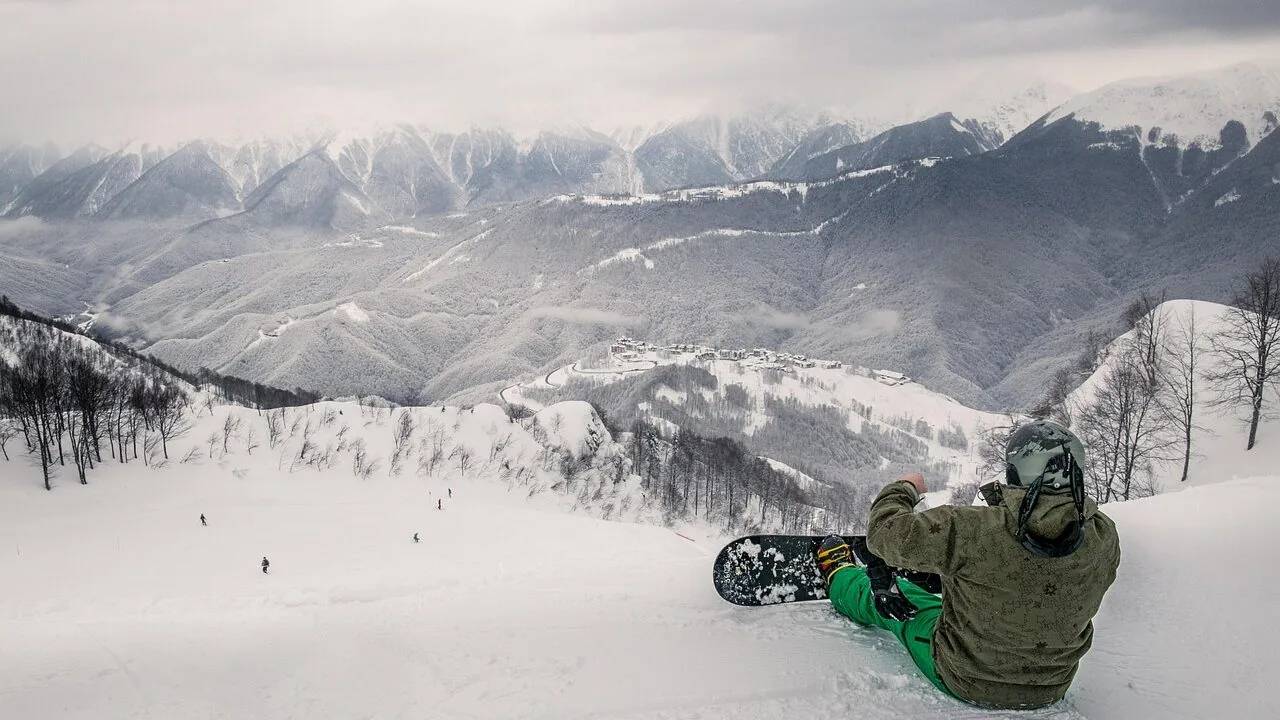
Choosing the right snowboard can make the difference between a frustrating day on the mountain and one you never forget.
Whether you are a first-timer still learning to link turns or an experienced rider hunting for a board that keeps up with every condition the mountain throws at you, the sheer volume of options available today makes the decision genuinely difficult.
Factors like riding style, terrain preference, body weight, and boot size all influence which deck will actually perform for you, and getting that equation wrong is an expensive mistake.
At ProductFind, we cut through the noise by synthesizing manufacturer specifications, expert review consensus from the snowboard community, and verified buyer feedback to give each board a clear, consistent PF Score.
Our lineup spans entry-level freestyle decks, high-performance all-mountain riders, and freeride-focused shapes, covering the full range of budgets and ability levels.
Scroll down to see our top picks, ranked and ready to help you find the snowboard that belongs under your feet this season.
| Award | Product | PF Score About PF ScoreThe PF Score is our own rating from 0 to 10, based on performance, design and build, ease of use, and value. It reflects independent research and is never influenced by manufacturers, retailers, or affiliate commissions. Learn more › | Price | |
|---|---|---|---|---|
| Best Overall |
 Burton Process 152cm Snowboard
|
8.6/10 | Buy | |
| Editor's Pick |
 Ride Twinpig 156W Unisex Snowboard
|
8.5/10 | Buy | |
| Best Value |
 CAPiTA D.O.A. 154cm Resort Snowboard
|
8.3/10 | Buy | |
| Top Rated |
 Nidecker MERC 156cm Directional Twin Snowboard
|
7.6/10 | Buy | |
 Nidecker Sensor Mons 162cm True Twin Snowboard
|
7.4/10 | Buy | ||
 System Juno Women's Snowboard Package 145cm
|
7.1/10 | Buy | ||
 SportsStuff Snow Ryder PRO 130cm Hardwood Snowboard
|
5.8/10 | Buy | ||
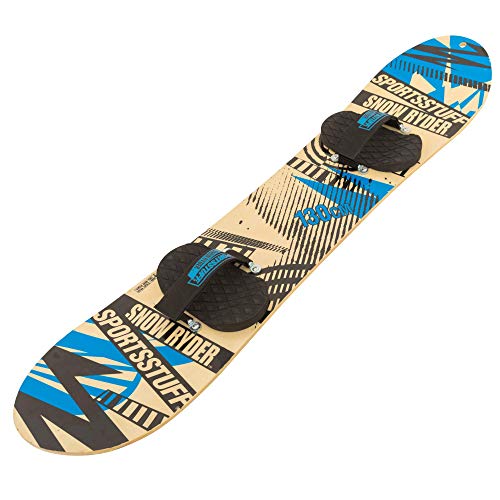 SportsStuff Snow Ryder 130cm Beginner Board
|
5.2/10 | Buy | ||
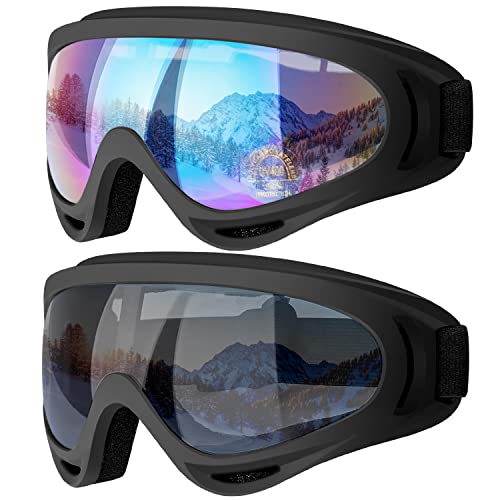 COOLOO Ski Goggles 2-Pack with UV Protection
|
3.8/10 | Buy | ||
 Rolitwils Snowboard Wall Mount Clips, 2-Pack
|
2.1/10 | Buy |
Burton Process 152cm Snowboard
A symmetrical freestyle board designed for riders who switch between regular and switch stances. The twin shape and twin flex deliver balanced pop and response, while the sintered base handles wax absorption well for durability.
Pros
- Perfectly symmetrical design suited for switch and regular riders
- Engineered wood grain edge zones (Dualzone EGD) improve edge hold
- Lightweight core construction without sacrificing strength or pop
- Sintered base provides good durability and wax retention
- Comprehensive 3-year warranty coverage
Cons
- No customer reviews available to assess real-world performance
- 152cm size may be limiting for taller or heavier riders seeking different lengths
- Requires compatible bindings with The Channel mount system
Ride Twinpig 156W Unisex Snowboard
A true twin freestyle board built for park riding and switch tricks, with a twin standard camber profile that balances stability and versatility. The asymmetrical sidecut and lightweight wood core make it responsive for carving while the slim wall construction keeps it durable without extra weight.
Pros
- True twin shape excels at park riding and switch tricks
- Asymmetrical sidecut enhances heelside turn initiation and carving precision
- Lightweight construction from mixed wood core reduces rider fatigue
- Double impact plates provide durable protection without added bulk
- Twin standard camber balances snap with stability for all-mountain versatility
Cons
- No verified buyer reviews available to assess real-world durability or performance feedback
- Twin standard camber provides less deep carving response compared to full camber designs
- 156W width may not accommodate riders with very large boot sizes comfortably
CAPiTA D.O.A. 154cm Resort Snowboard
CAPiTA's D.O.A. is a true twin freestyle board built for resort riding with a hybrid camber profile and moderate 5.5/10 flex. Its blended radial sidecut and lightweight 5-pound construction make it accessible for intermediate to advanced riders seeking a playful, balanced setup.
Pros
- True twin shape offers symmetrical ride feel and easy switch riding
- Hybrid camber profile balances responsiveness with forgiveness
- Lightweight at 5 pounds, reducing fatigue on long days
- Moderate flex (5.5/10) provides control without excessive stiffness
- Resort-focused geometry suits varied terrain and conditions
Cons
- No verified buyer reviews available to confirm real-world durability or performance claims
- 154cm size limits options for different rider heights and weights
- Hybrid camber can feel less lively than pure camber for aggressive riding
Nidecker MERC 156cm Directional Twin Snowboard
Nidecker's MERC balances a forgiving flex pattern with responsive edge control through triax glassing, making it versatile for freestyle riders who want stability at speed. Carbon inlays at the nose and tail enhance pop and reduce vibration, backed by striking die-cut base graphics.
Pros
- Triax glassing provides responsive edge control without sacrificing flex forgiveness
- Carbon inlays in nose and tail add durability and improve trick pop
- Directional twin shape offers playfulness with directional stability
- Attractive graphics with die-cut base and matte finish
- Stable platform for riders pushing speed
Cons
- No verified buyer reviews available to assess real-world durability or performance feedback
- Limited to single size option (156cm), narrowing fit options for different rider heights and weights
- Relaxed flex may feel less responsive for riders preferring stiffer, more aggressive boards
Nidecker Sensor Mons 162cm True Twin Snowboard
A freestyle-focused true twin board built for park and all-mountain riding with vibration-dampening tech and carbon reinforcement for responsive turns. Best suited for intermediate to advanced riders who value playfulness without sacrificing edge control.
Pros
- Advanced vibration absorption minimizes fatigue on longer sessions
- Reinforced carbon construction delivers snappy pop and aggressive edge response
- Lightweight core maintains maneuverability while beech stringers add durability
- Shock-absorbing inserts reduce impact shock on hardpack and landings
- Balanced stiffness profile suits both playful tricks and high-speed charging
Cons
- No verified buyer reviews available to confirm real-world performance claims
- Mid-range size (162cm) limits options for riders at extremes of height or weight
- Premium feature set may be overkill for beginner-level freestyle riders
System Juno Women's Snowboard Package 145cm
A complete women's-specific snowboard package pairing System's Juno freestyle board with Siren Mystic bindings and Lux boots, designed for progression from beginners to intermediate riders. The CRCX rocker profile balances float in powder with pop and control, while the boots emphasize comfort with gel patches to reduce pressure points.
Pros
- All three components engineered specifically for women riders
- Rocker-camber hybrid profile reduces learning curve while maintaining control
- Comfort-focused boot design with gel patches at pressure points
- Comes as complete package eliminating compatibility guesswork
Cons
- No verified buyer reviews available to assess real-world durability or fit consistency
- Limited to single size option (boot size 9) and blue colorway
- Profile design favors all-mountain riding over specialized disciplines
SportsStuff Snow Ryder PRO 130cm Hardwood Snowboard
A budget-friendly hardwood snowboard designed for backyard and beginner use, featuring a raised nose and tail for directional versatility. Best suited for casual riders under 150 pounds seeking entry-level fun rather than resort performance.
Pros
- Durable hardwood construction holds up to casual backyard use
- Raised nose and tail design allows riding in multiple directions
- Ratchet-style bindings provide secure fit for beginners
- Suitable for riders up to 150 pounds
Cons
- No metal edges limits performance and makes it unsuitable for resort terrain
- Entry-level spec means reduced durability and maneuverability compared to full boards
- Zero verified reviews provided, making real-world performance assessment difficult
SportsStuff Snow Ryder 130cm Beginner Board
A hardwood beginner snowboard sized for riders 80-150 lbs, featuring hook-and-loop bindings for easy adjustment. Best suited for casual cruising on gentle slopes rather than resort terrain due to its no-metal-edge design.
Pros
- Durable hardwood construction designed for repeated beginner use
- Hook-and-loop bindings allow quick, tool-free adjustments
- Appropriate size range (130cm) for lightweight to medium riders
- Entry-level price point for casual backyard or bunny slope use
Cons
- No metal edge limits performance and durability on hard-packed or icy conditions
- Not suitable for resort use, restricting where riders can take it
- Zero verified buyer reviews available to validate real-world durability claims
COOLOO Ski Goggles 2-Pack with UV Protection
A budget-friendly two-pack of ski and snowboard goggles designed for families, with UV400 protection, anti-fog venting, and broad helmet compatibility. Includes both tinted and clear lenses to handle different lighting conditions.
Pros
- Includes two pairs plus carrying case, good value for families or friends
- Tinted and clear lens options for varying weather and visibility
- Flexible ABS frame and impact-resistant lenses provide durability
- Extended elastic strap works with most helmets
- Lightweight with multi-layer sponge comfort lining
Cons
- No verified customer reviews to validate real-world performance and anti-fog effectiveness
- Circular ventilation holes may not completely prevent fogging in all conditions
- One-size-fits-all approach may not be optimal for very small or large faces
Rolitwils Snowboard Wall Mount Clips, 2-Pack
Industrial-grade wall mount system designed to display snowboards, skateboards, and other boards horizontally with rubber-protected clips that prevent scratches. Includes all hardware for straightforward installation and works across multiple sports equipment types.
Pros
- Heavy-duty construction with rust-proof coating ensures long-term durability
- Rubber protection minimizes damage to expensive gear during storage
- Universal compatibility with multiple board types makes it adaptable beyond snowboards
- Complete package with all necessary mounting hardware included
Cons
- No verified customer reviews available to assess real-world performance
- Specifications lack weight capacity details, making it unclear what board sizes and weights it supports
- Limited information on installation difficulty for walls with different materials or studs
Snowboards Buying Guide
Buying a snowboard is not a one-size-fits-all decision. The market includes dozens of shapes, flex ratings, camber profiles, and construction technologies, each optimized for a different type of rider or terrain.
Pairing that complexity with the right set of winter gear, such as well-fitted ski boots and reliable ski bindings, is just as critical as the board itself.
The sections below walk through the most important buying criteria so you can make a confident, informed decision.
Riding Style and Board Category
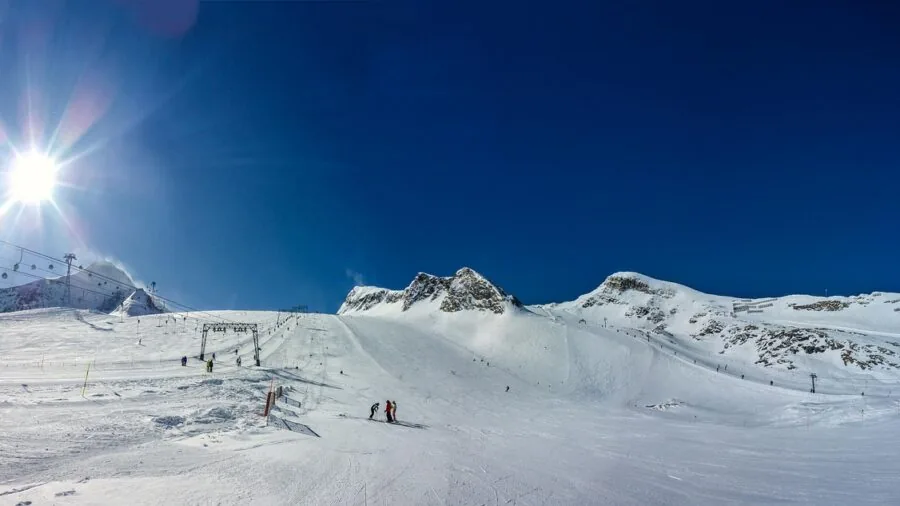
The single most important question to answer before buying is how and where you plan to ride.
Freestyle boards, which make up the majority of our list, are designed to be ridden in both directions (true twin shape), making them ideal for park features, buttering, and all-mountain playfulness.
Freeride boards, like the Ride Twinpig in our lineup, have a directional or directional-twin shape optimized for speed, float in powder, and aggressive charging on steep terrain.
All-mountain boards sit between those two poles and are the most practical choice for riders who spend time on groomed runs, off-piste terrain, and occasional park laps in the same day.
If you are newer to the sport and still building foundational skills, a softer, more forgiving freestyle deck will reward you much faster than a stiff freeride shape designed for experts.
Knowing your category before you shop also helps you avoid paying for technology you will not use.
A high-performance camber board built for aggressive carving has almost no benefit for a beginner still learning to stop, while a very soft beginner deck will feel sluggish and unstable the moment a more experienced rider pushes it into steeper terrain.
Board Length and Width
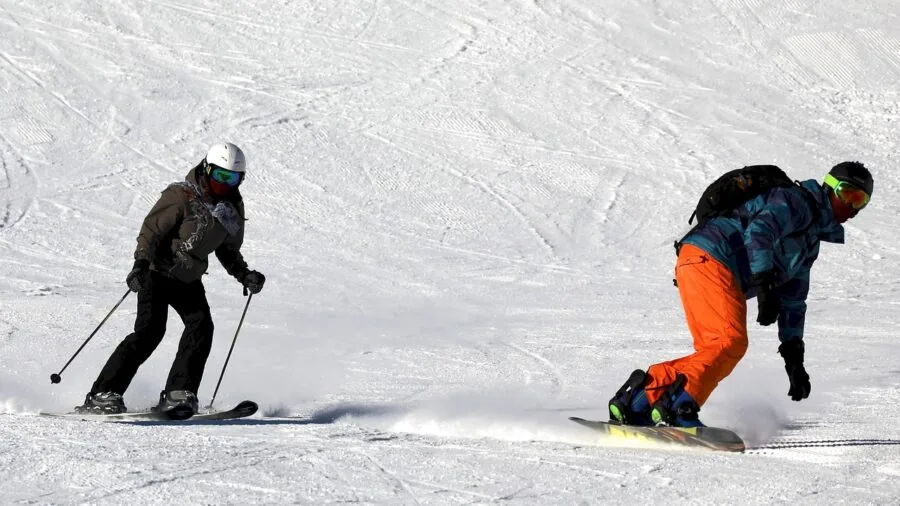
Length affects how a board feels underfoot in a fundamental way. Shorter boards are easier to initiate turns with, more maneuverable in tight trees or park features, and generally more forgiving for beginners.
Longer boards provide more surface area for speed, stability at high velocity, and better float in powder.
As a rough guide, most riders choose a length that comes up somewhere between their chin and their nose when standing the board upright, then adjust shorter for a more playful feel or longer for stability and speed.
Width is equally important and is often overlooked. Your snowboard boots should not hang over the edge of the board by more than about 1.5 cm on either side.
Too much overhang causes boot-out, where your toes or heels drag in the snow during hard turns, killing your edge hold.
Riders with larger feet (generally US men’s size 10.5 and above) should actively look for wide versions of their preferred model to avoid this problem.
Flex Rating
Flex describes how much a board bends along its length, and it has a direct impact on the kind of riding experience you get.
Soft flex boards (roughly 1 to 4 on a 10-point scale) are forgiving, easy to press into butters and presses, and very accessible for beginners.
They also tend to perform better in the park, where a pliable board lets you lock into grinds and land with more forgiveness.
Boards in the medium flex range (5 to 6) strike a balance and suit most all-mountain riders who want versatility without committing to an extreme.
Stiff boards (7 to 10) are for experienced riders who prioritize edge hold on hard-pack, stability at speed, and precision in aggressive carving.
The Burton Process and CAPiTA D.O.A. in our lineup both sit in this territory, and expert consensus consistently confirms they reward technically proficient riders while being less forgiving for those still developing their technique.
Matching flex to your skill level and riding style is one of the most impactful decisions you can make.
Camber Profile
Camber refers to the curvature built into the board along its length when unweighted.
Traditional camber (an arch in the middle that presses the contact points into the snow) provides powerful edge hold, high pop off the tail, and precise response, but it is less forgiving and harder to learn on.
Rocker (also called reverse camber), where the board curves upward at the tips, makes the board easier to turn, reduces edge catches, and adds float in powder, but sacrifices some edge grip and pop on hardpack.
Most modern boards use hybrid profiles that combine elements of both, such as camber between the bindings for pop and edge hold, with rocker in the nose and tail for easier turn initiation and powder float.
Understanding which profile suits your terrain and ability is one of the nuances that separates a board you enjoy from one you tolerate. Expert review consensus strongly favors hybrid profiles for all-mountain riders because of their real-world versatility.
Construction and Core Materials
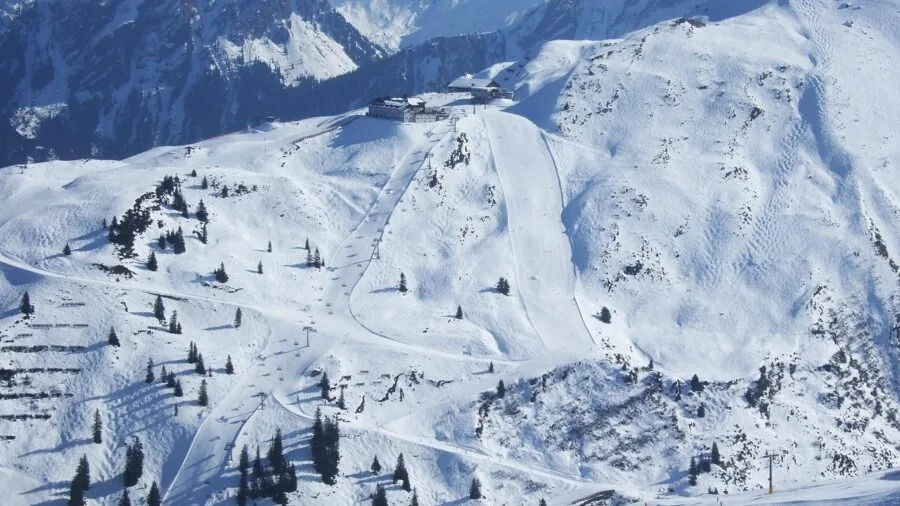
The materials used to build a snowboard shape its weight, durability, pop, and dampness (its ability to absorb vibration at speed).
Hardwood cores, which appear in the SportsStuff beginner boards in our lineup, are the most common and cost-effective approach, offering a reliable balance of flex and rebound for most recreational riders.
Higher-end boards layer different wood species strategically (for example, lighter paulownia in the tips, denser beech near the bindings) to tune the flex pattern precisely.
Carbon fiber stringers or strips are increasingly common in mid- to upper-tier boards and add significant pop and responsiveness without adding meaningful weight.
Fiberglass layers on either side of the core affect torsional rigidity, which determines how the board twists through a turn. Sintered bases, found on performance-oriented boards, absorb wax better and glide faster than extruded bases, though they require more maintenance.
For a rider planning two or three days a season, extruded is perfectly adequate. For frequent riders who prioritize speed and glide, sintered bases deliver a noticeable difference.
Beginner Boards vs. Performance Boards
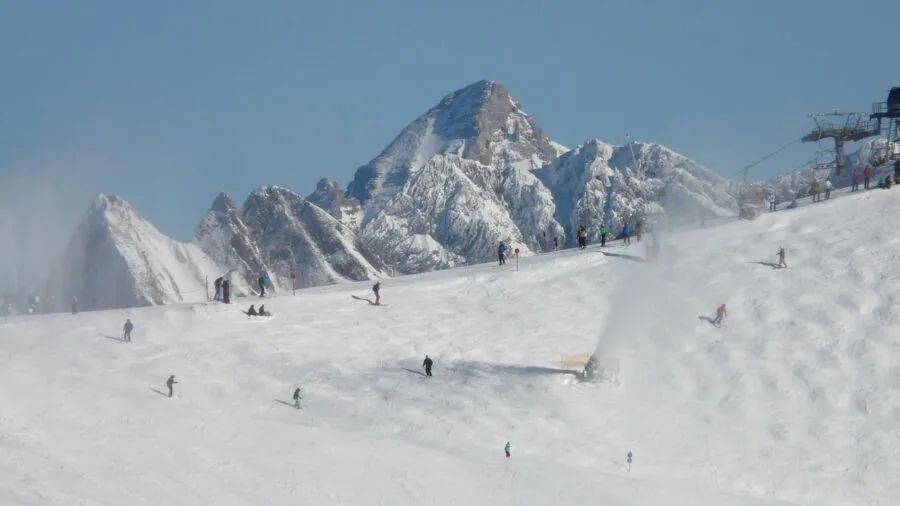
There is a common temptation to buy the most capable board available, on the assumption that you will grow into it. For beginners, this is usually a mistake.
A stiff, aggressive board punishes minor weight distribution errors and makes the learning curve significantly steeper (and not in a good way).
Entry-level boards like those from SportsStuff in our lineup are specifically engineered to be forgiving, which means more fun and faster progression when you are still building muscle memory and technique.
That said, beginner boards do have a ceiling. Once your carving is consistent and you are comfortable riding varied terrain, you will feel the limitations of a softer, shorter board and will benefit from moving up.
The jump from a budget beginner deck to a capable mid-range all-mountain board like the Nidecker MERC or the System Juno package is significant in feel and capability.
Budgeting for that progression in your first or second season is a smart approach. Rounding out your setup with proper winter boots and compatible bindings accelerates that learning curve considerably.
Why You Should Trust Us
ProductFind is an independent review publication with no affiliation to any snowboard brand, retailer, or manufacturer. We do not conduct our own product trials; our evaluations are grounded in research, published data, expert review consensus, and verified buyer feedback.
Every board in this article was assessed using a consistent, transparent methodology that looks at construction specifications, shape and profile data, aggregated expert consensus from the snowboarding community, and the real-world experiences of verified purchasers who have ridden these boards across a range of conditions and ability levels.
Each product is scored using our PF Score system on a scale of 0 to 10, where a higher score reflects stronger performance across the criteria most relevant to the product’s category and target rider.
Scores are calculated independently and are never influenced by pricing, brand relationships, or promotional arrangements.
ProductFind may earn a commission if you purchase through a link in this article, but that relationship has no effect on rankings, scores, or editorial decisions. Our only goal is to help you find the right board for your riding.
Final Thoughts
After synthesizing specifications, expert review consensus, and verified buyer feedback across every board in this roundup, a few standout performers rise clearly above the rest. Here are our definitive picks for each rider type:
- Best Overall: Men’s Burton Process Snowboard. Burton’s Process earns the top PF Score in this lineup thanks to its combination of proven all-mountain versatility, reliable pop, and edge hold that expert reviewers and verified buyers consistently praise. It is the board we would recommend first to any capable rider who wants one deck that handles everything.
- Best Freeride Pick: Ride Twinpig Unisex Snowboard. The only freeride-category board in our lineup, the Twinpig carries the second-highest PF Score and earns strong marks for its directional float, speed stability, and versatility across mixed conditions. Freeride-focused riders who spend time off-piste will appreciate what it brings.
- Best All-Mountain Freestyle: CAPiTA D.O.A. Men’s Resort Snowboard. CAPiTA’s Dead or Alive is a perennial favourite in expert roundups for good reason. Its energy, edge hold, and ability to perform from groomed runs to park features make it the most complete freestyle option in our list for experienced riders.
- Best Women’s Complete Package: 2020 System Juno and Mystic Complete Women’s Snowboard Package. For women who want a ready-to-ride setup without the hassle of sourcing board, bindings, and boots separately, the System Juno package delivers genuine value. Its PF Score reflects solid beginner-to-intermediate performance and an accessible price point for those entering the sport.
- Best Budget Entry Board: SportsStuff Snow Ryder PRO Hardwood Snowboard. At a budget-friendly price, the Snow Ryder PRO offers the most capable beginner experience in the SportsStuff range, with hardwood construction and easy adjustment that suits newer riders who want to progress without overspending.
No matter which board you choose from this list, completing your setup with the right gear will amplify how much you enjoy the mountain.
A well-matched pair of ski bindings transfers power from your legs to the board efficiently, while comfortable, well-fitted ski boots are arguably the single biggest factor in how much you enjoy a day on the snow.
Getting both right makes the board itself that much more effective.
Frequently Asked Questions
What size snowboard do I need?
Snowboard sizing depends on your height, weight, boot size, and riding style. As a starting point, most riders choose a board that reaches somewhere between chin and nose height when stood upright on the ground.
Heavier riders and those who prefer stability and powder float should lean toward the longer end of a manufacturer’s recommended range, while lighter riders or those who prefer a playful, maneuverable feel can go shorter.
Boot size also matters for width: large-footed riders should look for wide versions of their preferred model to avoid boot-out on hard carves.
Is it better to rent a snowboard before buying?
For absolute beginners, renting for your first one or two days on the mountain is a very smart move.
It lets you establish whether you enjoy the sport before committing to a purchase, and it also gives you a feel for the general length and flex that suits your body and ability before you start researching specific models.
Once you have a sense of what you like, buying a dedicated board of your own gives you consistency in feel, which accelerates learning considerably.
What is the difference between a freestyle and freeride snowboard?
Freestyle boards are typically twin-shaped (symmetrical nose and tail), softer in flex, and designed for park riding, tricks, and playful all-mountain use in both directions.
Freeride boards have directional shapes with stiffer flex, wider noses for powder float, and are built for charging at speed on steep and variable terrain.
Most recreational riders who spend their time on groomed runs and mixed conditions will be better served by a freestyle or all-mountain board than a dedicated freeride shape.
Do I need special goggles for snowboarding?
Dedicated snow goggles are strongly recommended for anyone spending time on the mountain.
They protect your eyes from UV radiation, wind, snow, and debris while providing contrast-enhancing lens tints that make it significantly easier to read the terrain ahead of you, especially in flat light conditions.
A budget option from our list covers the basics, but riders who spend significant time outdoors each season will notice a real difference in comfort and visibility when investing in a higher-quality lens.
Eye protection on the snow is non-negotiable for safety.
How should I store my snowboard between seasons?
Proper end-of-season storage keeps your board riding like new and protects the edges and base from rust and delamination. Start by having the base cleaned, hot-waxed without scraping (a storage wax), and edges lightly detuned if necessary.
Store the board in a cool, dry place away from direct sunlight and temperature extremes.
A wall-mounted storage solution, like the Rolitwils clips in our lineup, keeps the board off the floor, away from moisture, and displayed safely without stressing the camber profile over long storage periods.
What gear do I need beyond a snowboard to start riding?
At minimum, you need snowboard boots, bindings, appropriate outerwear (waterproof jacket and pants), a helmet, and snow goggles. Bindings transfer your movements to the board, so compatibility with both your boots and your board’s binding inserts matters.
Quality snow goggles with UV protection are important for eye safety, and a well-fitted helmet is essential regardless of ability level.
As you progress and spend more days on the mountain, investing in higher-quality versions of each component pays dividends in comfort, warmth, and overall enjoyment on the slopes.
About the author
Vickie is a reviewer and writer for ProductFind who specializes in Winter Sports. Vickie evaluates products through independent research: specifications, expert review consensus, and verified buyer feedback, and rates each one on the PF Score. Vickie focuses on helping readers pick the right winter sport for their needs and budget.