The 9 Best Snowboard Boots
Fit, flex, and lacing system define how good a day on the mountain actually feels. Our research covers the top men's snowboard boots from Burton, K2, Ride, DC Shoes, Nitro, and more.
 By Vickie Foster
Updated July 23, 2026
By Vickie Foster
Updated July 23, 2026
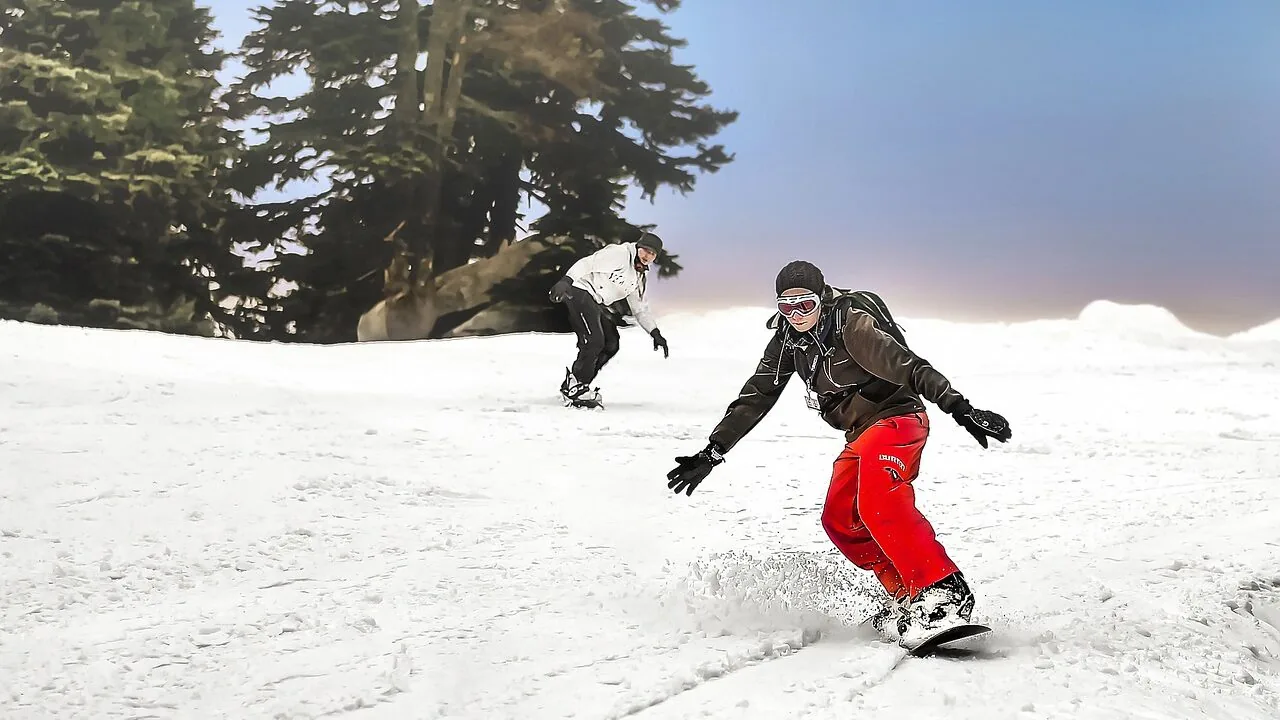
Snowboard boots are the single most important piece of gear in your setup.
They connect your body to your board, determine how responsive your turns feel, and make the difference between an all-day rip session and a painful retreat to the lodge.
Unlike boards or bindings, boots are deeply personal: fit, flex, and lacing system all interact differently for every rider. Getting them wrong means blisters, heel lift, toe bang, or numb feet before noon.
Getting them right means effortless progression, stronger carves, and a whole lot more fun.
If you’re also looking at complementary winter gear, ski boots for every mountain and ability level is worth a read for context on how boot fit principles translate across snow sports.
To help you find the right pair, ProductFind researched the full field of men’s snowboard boots for 2026, analyzing manufacturer specifications, expert review consensus from the broader snowboard community, and verified buyer feedback across thousands of confirmed purchases.
Our picks span a range of riding styles, flex ratings, and budgets, from approachable all-mountain options to high-performance step-on systems. Brands covered include Burton, K2, Ride, DC Shoes, Nitro, and 5th Element.
Whether you’re a weekend warrior or a seasoned park rat, the ranked list below gives you our top picks right now.
| Award | Product | PF Score About PF ScoreThe PF Score is our own rating from 0 to 10, based on performance, design and build, ease of use, and value. It reflects independent research and is never influenced by manufacturers, retailers, or affiliate commissions. Learn more › | Price | |
|---|---|---|---|---|
| Best Overall |
 Burton Highshot Step On Snowboard Boots Size 11
|
8.5/10 | Buy | |
| Editor's Pick |
 Ride Anthem Men's Snowboard Boots Size 15
|
8.3/10 | Buy | |
| Best Value |
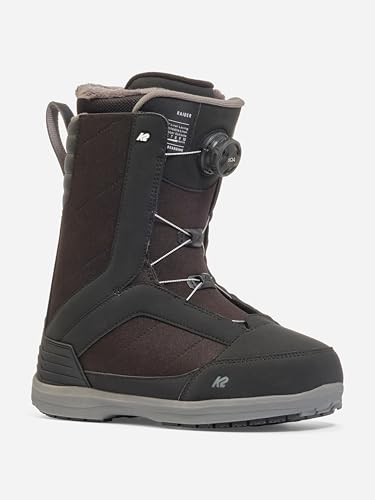 K2 Raider Men's Snowboard Boots Size 10
|
8.1/10 | Buy | |
| Top Rated |
 Burton Moto BOA Snowboard Boots Size 10
|
7.9/10 | Buy | |
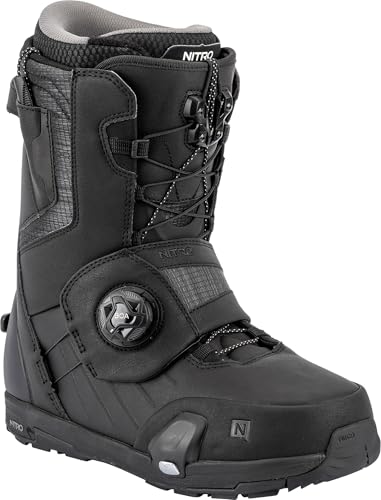 Nitro Profile Step On TLS Men's Snowboard Boots
|
7.6/10 | Buy | ||
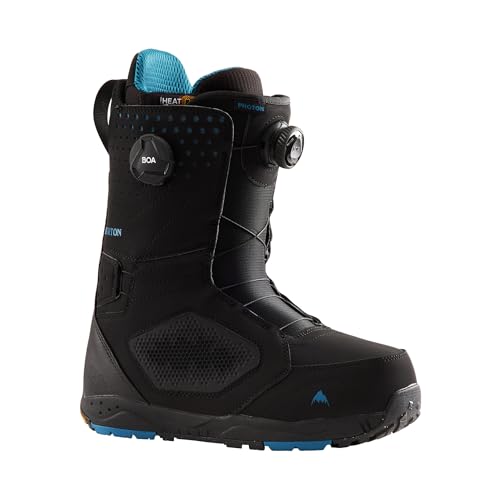 Burton Photon BOA Snowboard Boots Size 10.5
|
7.5/10 | Buy | ||
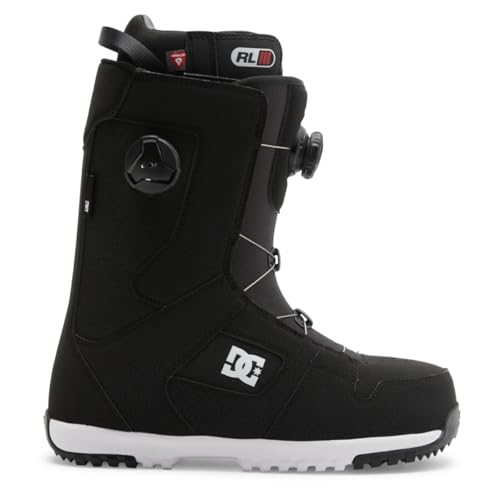 DC Shoes Phase BOA Pro Snowboard Boots
|
7.2/10 | Buy | ||
 DC Judge Snowboard Boots - Grey/Tan/Teal
|
7.1/10 | Buy | ||
 5th Element ATOP Dial Snowboard Boots Size 15
|
6.8/10 | Buy |
Burton Highshot Step On Snowboard Boots Size 11
Burton's Step On boots pair a dual-lace BOA system with heat-moldable liners for a customized fit tailored to individual foot shapes. The integrated Step On outsole with toe cleats provides secure binding compatibility, making these boots suited for riders prioritizing comfort and connection to their board.
Pros
- Dual-lace BOA system allows fine-tuned fit adjustments across multiple zones
- Heat-moldable foam liner provides personalized comfort after initial wear
- Dedicated heel-lock design reduces boot movement inside binding
- Step On integration simplifies binding compatibility for committed riders
- Recycled rubber outsole combines durability with environmental consideration
Cons
- No verified buyer reviews available to assess long-term durability and real-world performance
- Step On compatibility limits versatility to specific binding systems
- Premium features may indicate higher price point relative to entry-level alternatives
Ride Anthem Men's Snowboard Boots Size 15
Medium-flex all-mountain boots built for progression with H4 BOA quick-closure and Intuition plush liner. Strong balance of carving control and playful versatility across varied terrain, backed by durable Grip Lite 2.0 outsole and heat-reflective construction.
Pros
- BOA coiler system delivers precise, customizable fit without fumbling with laces
- Plush Intuition liner balances comfort for extended riding sessions
- Versatile medium flex handles progression across carving, park, and mixed terrain
- Durable Grip Lite 2.0 outsole with cushioned foam provides traction and underfoot comfort
- Heat-reflective materials and smooth cuff articulation maintain warmth from morning to evening
Cons
- No verified buyer reviews available to validate real-world durability or fit consistency
- Medium flex may feel limiting for aggressive all-mountain or backcountry riders seeking stiffer response
- Size 15 availability may be challenging for larger feet in some retail channels
K2 Raider Men's Snowboard Boots Size 10
K2's Raider boots combine responsive lacing with adaptive comfort tech designed for all-mountain riding. The BOA system and cushioned liner prioritize fit customization and day-long comfort for intermediate to advanced riders.
Pros
- H4 Coiler BOA Fit System allows quick, tool-free adjustments on the mountain
- TX3 BOA Rope Lacing provides responsive power transfer for carving and tricks
- Intuition Comfort Foam 3D Liner molds to foot shape for personalized fit
- Flex Zone Upper Cuff balances response with mobility for varied terrain
- Internal J Bars add structural support and response consistency
Cons
- No verified buyer reviews available to validate real-world durability or comfort claims
- 4.6 rating lacks sufficient review volume to assess reliability across different foot types and riding styles
- Feature set positions this as mid-to-premium option without pricing context for value comparison
Burton Moto BOA Snowboard Boots Size 10
Burton's Moto BOA boots combine heat-moldable liners and single-zone BOA lacing for quick adjustments on the mountain. Built with Total Comfort Construction for an instantly broken-in feel, they're suited for riders prioritizing convenience and warmth over premium customization.
Pros
- BOA lacing system enables quick, secure adjustments without tools
- Heat-moldable liner and Total Comfort Construction minimize break-in period
- Integrated moisture sealing with snow-proof gusset keeps feet dry
- DynoLITE Outsole provides lightweight support with responsive board contact
- Durable polyurethane backstay resists pack-down over time
Cons
- No verified buyer reviews available to validate real-world durability or fit consistency
- Single-Zone BOA system may lack the fine-tuning precision of dual-zone competitors
- Heat-moldable liner requires active molding process for optimal fit optimization
Nitro Profile Step On TLS Men's Snowboard Boots
Nitro's Profile Step On boots combine quick dual-zone lacing with Step On binding compatibility and solid thermal insulation for all-day comfort on the mountain. Built for riders prioritizing convenience and reliable performance in varied conditions.
Pros
- TLS dual-zone lacing system allows fast entry and exit
- Step On outsole compatibility with up to 30% recycled rubber content
- EVA midsole and Therminator Shield provide thermal insulation and comfort
- Armored Spine construction ensures lasting heel fit and support
Cons
- No verified buyer reviews available to assess real-world durability and fit consistency
- Limited color options in size 11 (Black only in this listing)
- Step On binding compatibility restricts boot to that specific binding system
Burton Photon BOA Snowboard Boots Size 10.5
Burton's Photon BOA boots combine dual-zone independent lacing with Total Comfort Construction for an instantly broken-in feel. Built for riders prioritizing customizable fit and all-day comfort in cold conditions.
Pros
- Dual-Zone BOA system lets you adjust upper and lower zones independently for precise fit control
- Total Comfort Construction delivers an instantly broken-in feel without extended break-in time
- B3 Gel Cushioning maintains impact damping in cold temperatures
- Vibram outsole with recycled rubber content offers reliable grip and sustainability
- Heat-moldable liner with multiple adjustment options customizes fit to individual foot shape
Cons
- No verified buyer reviews available to confirm real-world durability and comfort feedback
- Premium price point may not justify the investment for casual weekend riders
- Dual-Zone BOA system adds complexity, which could be overkill for simpler needs
DC Shoes Phase BOA Pro Snowboard Boots
DC's Phase BOA Pro combines dual-zone lacing with Primaloft insulation and a molded impact insole for responsive all-day comfort on varied terrain. The medium flex and articulated construction suit intermediate to advanced riders seeking control without sacrificing durability.
Pros
- BOA lacing system enables quick, tool-free adjustments in cold conditions
- Primaloft insulation balances warmth without excess bulk
- Shock-absorbing molded insoles reduce impact fatigue during all-day sessions
- Lightweight Unilite construction with reinforced high-wear zones extends lifespan
- Internal ankle harness and articulated design provide responsive board feel
Cons
- No verified buyer reviews available to assess real-world durability and fit consistency
- Medium flex rating limits appeal to park-focused riders seeking softer boots or aggressive all-mountain users needing stiffer response
- Ventilation-focused design may be less ideal in extremely cold or wet climates
DC Judge Snowboard Boots - Grey/Tan/Teal
DC's Judge boots combine dual BOA fit adjustment with premium insulation and a responsive liner for all-mountain riding. Built with Vibram outsoles and PrimaLoft technology, they're engineered for comfort and performance in varied snow conditions.
Pros
- Dual BOA system allows independent upper and lower fit customization
- Vibram outsole provides proven grip and longevity
- PrimaLoft insulation balances warmth without excessive bulk
- Response Liner technology adapts to foot movement
Cons
- No verified buyer reviews available to validate real-world durability or fit consistency
- Limited color/size availability may not suit all preferences
5th Element ATOP Dial Snowboard Boots Size 15
5th Element's ATOP Dial lacing system lets riders dial in foot support with a simple turn mechanism, designed for all-mountain snowboarding. Waterproof liners and compatibility with strap bindings make these a functional choice for men seeking adjustable comfort on the mountain.
Pros
- ATOP Dial lacing system for quick, tool-free adjustment throughout the day
- Waterproof liners keep feet dry in wet conditions
- Compatible with strap snowboard bindings for versatile setup options
- Lightweight at 1 pound for reduced fatigue during long riding sessions
Cons
- No verified buyer reviews available to assess real-world durability or comfort consistency
- Limited information on insulation rating or temperature performance
- ATOP Dial system's learning curve and long-term reliability unclear without user feedback
Snowboard Boots Buying Guide
Choosing the right snowboard boots involves more than picking a color or a brand name you recognize. The criteria below are what genuinely separate a great day on the mountain from a frustrating one.
Use this guide alongside the ranked picks above to match the right boot to your specific riding style and anatomy.
Flex Rating: Matching Stiffness to Your Riding Style

Flex is the most talked-about spec in snowboard boots, and for good reason.
Boots are generally rated on a scale from 1 (very soft) to 10 (very stiff), though each brand interprets this scale differently, so always read qualitative descriptions alongside the number.
Soft boots (roughly 1 to 4) offer forgiving, playful feel that suits beginners, park riders, and jibbers who need ankle mobility for butters and rails.
Medium flex (5 to 7) is the sweet spot for all-mountain riders who want a balance of response and comfort, covering everything from groomers to light off-piste.
Stiff boots (8 to 10) are built for aggressive freeriders and racers who demand maximum energy transfer and edge-to-edge precision at speed.
Among the picks in this guide, models like the Ride Anthem and Burton Highshot Step On lean toward the stiffer, more responsive end, while the K2 Raider and DC Phase BOA Pro occupy a versatile mid-flex range that works for a broader audience.
Be honest with your skill level and terrain preferences. A beginner in a stiff boot will struggle to initiate turns; an experienced freerider in a soft boot will feel vague and wobbly at speed.
Also consider how flex changes with temperature. Cold conditions stiffen every boot, so if you ride in harsh winters, sizing up slightly in flex can keep you comfortable without sacrificing control.
This is a nuance that verified buyer feedback consistently highlights, especially in sub-zero resort conditions.
Lacing System: BOA, Traditional, or Step-On
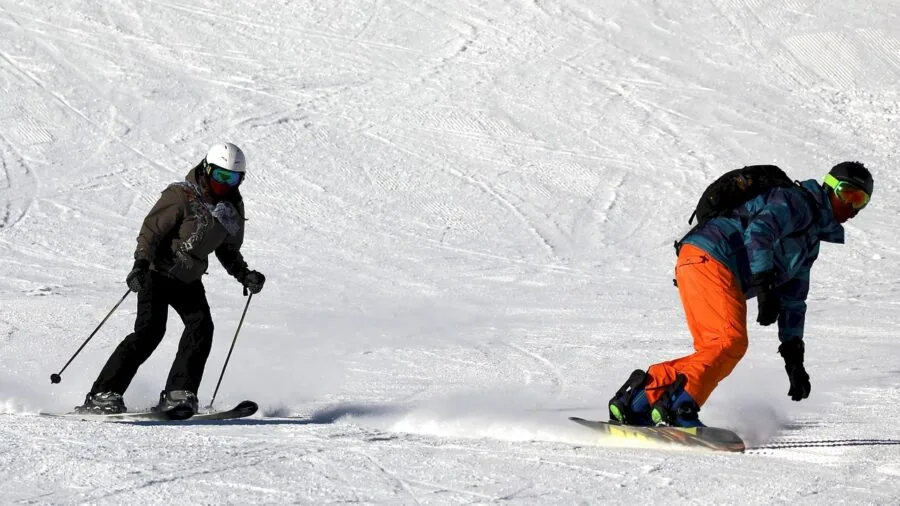
The lacing system you choose has a big impact on convenience, precision, and long-term durability.
Traditional lace boots offer the most customizable fit and are generally the most affordable option, but they take longer to dial in and can loosen over the course of a run.
Lace purists argue nothing else gives the same feel of personalized tension across the whole boot.
The 5th Element ST boot in this guide uses a hybrid lace-and-dial system that combines some of that custom feel with the speed of a mechanical closure.
BOA systems use a wire-and-reel mechanism that lets you tighten or loosen with a single turn of a dial, often with zone-specific control using dual-BOA setups.
Burton’s Moto BOA and Photon BOA, the DC Phase BOA Pro, and the Nitro Profile TLS all use some variation of this approach. BOA is fast, consistent, and increasingly reliable; Burton even offers a lifetime guarantee on their BOA components.
The main trade-off is that wire-based systems can occasionally snap in cold conditions or after heavy use, though this is rare with current-generation designs.
Step-On systems, pioneered by Burton and now offered by other brands, eliminate traditional laces entirely by clicking the boot directly into a compatible binding. The Burton Highshot Step On in this guide is designed exclusively for this interface.
Step-On is unbeatable for on-hill convenience, especially for riders who take multiple runs and want quick transitions. The trade-off is that you must pair Step-On boots with compatible Step-On bindings, which adds a system cost consideration.
If you’re already pairing this with new hardware, it’s worth reviewing ski bindings worth buying for every skier and terrain to understand how binding technology has evolved across snow sports.
Liner Quality and Heat Moldability
The liner is the inner boot that sits against your foot and sock, and its quality largely determines comfort over a long day of riding. Entry-level boots often ship with basic foam liners that compress quickly and provide generic fit.
Mid-range and premium boots use heat-moldable liners that can be customized to your foot’s shape, either through a heat-molding session at a shop or by the gradual break-in process of wearing them over multiple sessions.
Look for liners that offer good ankle pocket construction.
Heel hold is the single most important fit characteristic in a snowboard boot: if your heel is lifting inside the boot even a few millimeters, you’ll lose power transfer and develop blisters on your Achilles.
Expert reviewers across the snowboard community consistently flag this as the top reason riders return or replace boots early. A well-constructed liner with a reinforced ankle pocket and a snug heel cup eliminates this problem entirely.
Insulation is also worth considering if you ride in cold climates. Boots like the DC Phase BOA Pro advertise an insulated liner specifically for warmth retention.
However, too much insulation can make a boot feel sloppy and imprecise, so balance warmth against performance depending on your typical conditions.
Outsole Construction and Grip

The outsole of your snowboard boot matters most when you’re hiking, walking to the lift, or navigating icy lodge floors.
Rubber outsoles with aggressive lug patterns offer the best traction on snow and ice, and they also dampen vibration underfoot during hard landings.
Budget boots often use EVA foam outsoles that are lightweight and cheap but wear down quickly and offer less grip.
Some high-end boots, particularly those oriented toward backcountry use, feature Vibram or equivalent rubber compounds for superior durability and grip. For resort-focused riders, a mid-grade rubber outsole is typically more than sufficient.
What you want to avoid is an outsole that cups inward and doesn’t sit flush with the binding footbed, which can introduce slop into your response even with bindings tightened down properly.
Fit and Sizing: The Number One Priority
No specification, brand reputation, or price point matters more than how a boot fits your foot. Snowboard boots should feel snug without pinching, with your toes lightly brushing the front of the liner when standing flat.
When you flex your knees into a riding stance, your heel should lock firmly in place and your toes should pull back slightly from the front of the boot.
If your heel lifts or your toes feel crushed when flexed, the boot is the wrong size or shape for your foot.
Snowboard sizing typically runs true to shoe size in US measurements, but individual lasts (the internal shape of the boot) vary significantly between brands.
K2, for example, tends to run slightly wider than Burton, which can benefit riders with wider forefeet. Riders with narrow feet often find a better fit in Burton’s performance-oriented models.
Verified buyer feedback on models in this guide consistently notes that trying boots in person before committing is the single best thing you can do, especially for first-time buyers.
Also factor in sock thickness. Always try boots with the socks you actually ride in. A thin liner sock versus a thick merino wool sock can shift your fit by half a size.
Most experienced riders recommend a dedicated snowboard sock rather than repurposing running or hiking socks, as the targeted cushioning zones are designed for the specific pressure points of boot riding.
Price and Value: What You Actually Get at Each Tier
Snowboard boots span a wide price range, and the differences between tiers are real and meaningful. Entry-level boots at the lower end of the market use simpler outsole compounds, basic foam liners, and single-zone lacing systems.
They work for casual riders or beginners who aren’t sure how committed they are to the sport, but they compress faster and offer less precise feel underfoot.
The 5th Element ST in this guide represents solid value at its price point for exactly this use case.
Mid-range boots, which include the K2 Raider and DC Phase BOA Pro in this guide, represent the sweet spot for most recreational riders.
You get meaningfully better liner construction, dual-zone or BOA lacing, and more thoughtful outsole rubber without crossing into premium pricing territory.
Expert reviewers broadly agree this tier offers the best performance-per-dollar for riders who hit the mountain regularly but don’t need race-level precision.
Premium boots like the Burton Highshot Step On and Burton Photon BOA command higher prices for proprietary systems, superior heat-moldable liners, advanced outsole technology, and durability warranties.
If you ride 20 or more days per season and care deeply about on-hill performance, investing in this tier pays off over multiple seasons.
Casual riders who ski or snowboard once or twice a year will rarely notice the performance gains relative to the price difference.
Why You Should Trust Us
ProductFind is an independent review publication. We do not sell products, accept manufacturer samples in exchange for favorable coverage, or allow affiliate relationships to influence our rankings. Every recommendation you see on this page is based on merit, not commission rates.
Each boot in this guide was evaluated using our consistent PF Score methodology, rated on a 0 to 10 scale.
We assess products by analyzing manufacturer specifications and published technical data, synthesizing expert review consensus from experienced riders and snowboard journalists, and weighing verified buyer feedback from confirmed purchasers across major retail platforms.
We do not conduct our own product trials; our evaluations are grounded in research, published data, expert review consensus, and verified buyer feedback.
This approach lets us compare products fairly across a broad field without the bias that can creep in from single-tester evaluations or manufacturer-sponsored assessments.
Transparency note: ProductFind may earn a commission when you purchase through links on this page. This affiliate relationship does not affect our rankings, PF Scores, or product selection in any way.
Our editorial process is kept strictly separate from commercial relationships, and no brand receives preferential treatment based on commercial arrangements.
Final Thoughts
After evaluating the full field of men’s snowboard boots across specifications, expert consensus, and verified buyer feedback, here is how our top picks break down by category and use case.
Whether you’re upgrading from a rental setup or investing in a new season’s rig, one of these options will fit your needs.
- Best Overall: Burton Men’s Highshot Step On Snowboard Boots earns the top spot with the highest PF Score in this guide. The proprietary Step-On integration, premium liner construction, and responsive feel at all-mountain flex make it the most complete package for serious riders who want the fastest, most secure interface available.
- Best for All-Mountain Versatility: Ride Anthem Men’s Snowboard Boots scores the second-highest PF Score in this guide and earns consistent praise from expert reviewers for its balanced flex, durable construction, and wide compatibility with standard strap bindings. An excellent choice for riders who cover varied terrain.
- Best Mid-Range Value: K2 Raider Men’s Snowboard Boots delivers a strong PF Score at a notably accessible price point. Verified buyers repeatedly highlight the comfortable out-of-box fit and reliable BOA-adjacent lacing, making it the top recommendation for riders who want performance without premium pricing.
- Best Budget Pick: Burton Men’s Moto BOA Snowboard Boots is the go-to entry point for riders coming off rentals or casual beginners. Burton’s BOA integration at a lower price tier gives it a meaningful edge over comparable budget options, and expert reviewers consistently cite it as the best gateway into the Burton ecosystem.
- Best for Step-On Beginners: Nitro Profile Step On TLS Men’s Snowboard Boots offers an alternative Step-On-compatible option with Nitro’s TLS lacing and a comfortable mid-flex feel. A solid pick for riders interested in a binding-integrated system outside the Burton ecosystem.
Whichever boot you choose, fit remains the non-negotiable foundation. Pair your new boots with quality bindings suited to your riding style, and you’ll have a setup that performs well for multiple seasons.
For riders who are building out a complete winter kit, exploring quality ski bindings for every terrain type offers useful parallel insight into how binding mechanics affect overall snow sport performance.
Frequently Asked Questions
How Should Snowboard Boots Fit?
Snowboard boots should fit snugly with your toes lightly touching the front of the liner when standing upright.
When you flex your knees into a riding stance, your heel should lock firmly in place and your toes should pull back slightly. There should be no heel lift whatsoever.
If your heel moves even a few millimeters, the boot is too large or the wrong shape for your foot.
Boots will break in and loosen slightly over the first few sessions, so a snug new fit is normal and expected.
What Flex Rating Is Right for a Beginner?
Beginners generally benefit from a soft to medium flex, typically in the 3 to 6 range depending on the brand’s scale.
Softer boots are more forgiving, easier to initiate turns in, and more comfortable during the learning phase when you’re spending a lot of time with your knees bent at unusual angles.
As your technique and confidence develop, you can move toward a stiffer boot that delivers more energy transfer and precision. Most intermediate and advanced all-mountain riders end up in the 5 to 7 range.
Are BOA Lacing Systems More Reliable Than Traditional Laces?
BOA systems offer faster adjustment and more consistent tension than traditional laces, and major manufacturers like Burton back their BOA components with lifetime guarantees. Wire breakage can occur but is uncommon with current-generation designs.
The main advantage of BOA over laces is the ability to make micro-adjustments on the fly, even with gloves on.
Traditional laces give you the most customized tension distribution if you take the time to dial them in, but they can loosen during a run.
Neither system is universally superior; the right choice depends on how much you value convenience versus granular control.
Do I Need Special Bindings for Step-On Boots?
Yes. Step-On boots like the Burton Highshot and the Nitro Profile Step On TLS require dedicated Step-On compatible bindings. Standard strap bindings will not work with Step-On boots, and vice versa.
This means if you’re switching to a Step-On system, you’ll need to replace both boots and bindings simultaneously.
While this adds upfront cost, many riders find the convenience of stepping in and out of bindings without bending down is worth the investment, particularly for those who ride frequently or have mobility considerations.
How Long Do Snowboard Boots Typically Last?
Most snowboard boots last between 50 and 150 days of riding, depending on construction quality, how aggressively you ride, and how well you care for them between sessions.
Budget boots with basic EVA outsoles and thin foam liners tend to compress and lose their performance feel faster. Premium boots with heat-moldable liners and rubber outsoles can hold up significantly longer.
Drying your boots thoroughly after every session and storing them at room temperature rather than in a cold car or garage extends their lifespan considerably.
The liner usually degrades before the outer shell, and some manufacturers sell replacement liners as standalone accessories.
What Socks Should I Wear With Snowboard Boots?
Dedicated snowboard or ski socks made from merino wool or synthetic blends are strongly recommended. These socks are designed with targeted cushioning zones at the shin, heel, and toe, and they wick moisture effectively to prevent cold, wet feet.
Avoid cotton socks entirely as they retain moisture and cause cold spots. Always try on boots with the socks you plan to ride in, as sock thickness affects fit by as much as half a size.
For riders managing recovery between mountain days, percussion massage guns can be a useful tool for relieving calf and foot fatigue after long days in boots.
About the author
Vickie is a reviewer and writer for ProductFind who specializes in Winter Sports. Vickie evaluates products through independent research: specifications, expert review consensus, and verified buyer feedback, and rates each one on the PF Score. Vickie focuses on helping readers pick the right winter sport for their needs and budget.