The 8 Best Ski Goggles
Fog, glare, and poor fit ruin days on the mountain. We researched eight ski goggles across optics quality, lens versatility, and comfort to help you find the right pair for your conditions and budget.
 By Vickie Foster
Updated July 23, 2026
By Vickie Foster
Updated July 23, 2026

Choosing the right ski goggles can make the difference between a frustrating day on the mountain and a genuinely great one.
Poor visibility, fogging lenses, or an ill-fitting frame are all avoidable problems, and the market now spans everything from budget-friendly options for occasional day-trippers to premium optics engineered for serious alpine conditions.
With so many products competing for shelf space, it’s easy to overspend on features you don’t need, or underspend and sacrifice the clarity and protection that actually matter out on the slopes.
This guide covers eight ski goggles that reflect a broad range of price points and use cases, from everyday riders who want solid over-the-glasses compatibility to dedicated skiers who demand premium optics and fast lens-swap systems.
ProductFind researched each pair through a synthesis of published specifications, expert review consensus across the skiing and outdoor-gear community, and verified buyer feedback from confirmed purchasers.
Scroll down for our ranked picks, then read the buying guide to sharpen your decision.
| Award | Product | PF Score About PF ScoreThe PF Score is our own rating from 0 to 10, based on performance, design and build, ease of use, and value. It reflects independent research and is never influenced by manufacturers, retailers, or affiliate commissions. Learn more › | Price | |
|---|---|---|---|---|
| Best Overall |
 Oakley OO7050-01 Flight Deck Large Ski Goggles
|
8.2/10 | Buy | |
| Editor's Pick |
 OutdoorMaster OTG Ski Goggles with Anti-Fog Lens
|
7.4/10 | Buy | |
| Best Value |
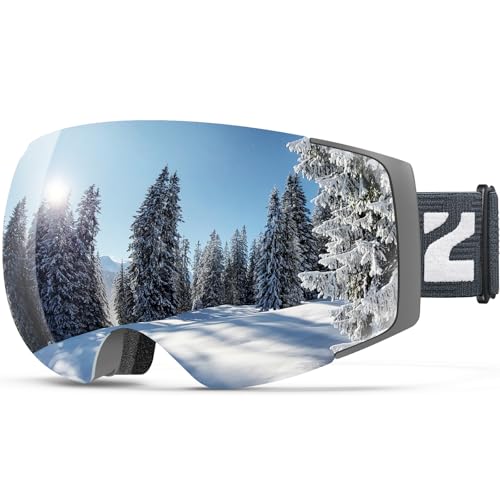 ZIONOR X4 Ski Goggles with Magnetic Lens
|
7.3/10 | Buy | |
| Top Rated |
 Snowalva Ski Goggles with Interchangeable Magnetic Lenses
|
7.1/10 | Buy | |
 Ukoly Ski Goggles with HD Anti-Fog Lens
|
7.0/10 | Buy | ||
 EXP VISION OTG Ski Goggles with Anti-Fog Lens
|
6.9/10 | Buy | ||
 EXP VISION Spherical Ski Goggles with Anti-Fog
|
6.8/10 | Buy | ||
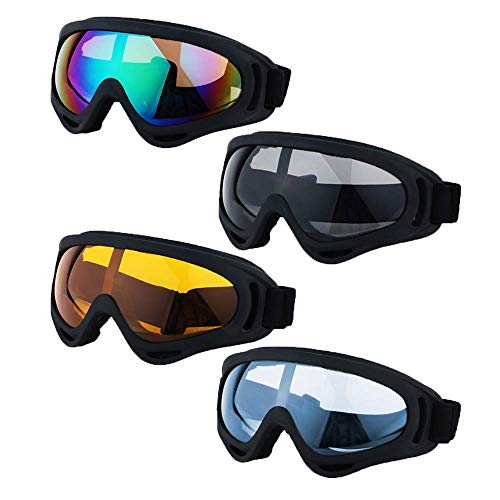 LJDJ Ski Goggles Pack of 4, UV 400 Protection
|
5.8/10 | Buy |
Oakley OO7050-01 Flight Deck Large Ski Goggles
Oakley's rimless Flight Deck design delivers a wide field of view for ski and snowboard enthusiasts. The Prizm Black Iridium lens enhances contrast in variable light conditions, while the large shield-style frame suits oval to round face shapes.
Pros
- Rimless construction maximizes field of view on the slopes
- Prizm lens treatment improves visibility across changing light conditions
- Lightweight design at 0.66 pounds reduces fatigue during long wear
Cons
- Not polarized, so may experience some glare in bright snow conditions
- No verified buyer reviews available to confirm real-world durability or fit consistency
- Large size may not suit smaller face shapes despite frame versatility
OutdoorMaster OTG Ski Goggles with Anti-Fog Lens
These over-the-glasses ski goggles let prescription eyeglass wearers enjoy snow sports without switching to contacts. Dual-layer anti-fog technology and 100% UV400 protection are standard, while the extended elastic strap fits most helmets.
Pros
- OTG design accommodates prescription glasses without compromise
- Anti-fog dual-layer lens technology for clear vision
- 100% UV400 protection with soft TPU frame
- Universal helmet compatibility with extra-long elastic strap
- Includes carrying pouch for transport and storage
Cons
- No verified buyer reviews available to assess real-world durability or fit consistency
- Limited color/lens option information in specifications
- OTG fit may require careful sizing for optimal glasses accommodation
ZIONOR X4 Ski Goggles with Magnetic Lens
ZIONOR X4 delivers a wide 180-degree panoramic view and tool-free lens swaps via magnetic technology, making them practical for varying snow conditions. Anti-fog treatment and UV400 protection are standard, though the lack of verified buyer feedback limits confidence in real-world durability claims.
Pros
- Magnetic lens technology eliminates need for tools when changing lenses for different lighting conditions
- Wide panoramic view minimizes blind spots and visual distortion while skiing or snowboarding
- Anti-fog treatment and optimized ventilation address a common goggle frustration
- EDT enhanced durability coating provides added impact resistance for rough conditions
- Unisex sizing works for both male and female riders
Cons
- No verified buyer reviews available, so real-world performance and durability claims cannot be independently verified
- One-size-fits-all approach may not suit all face shapes equally well
- No information on lens interchangeability with other brands or upgrade options beyond the included lens
Snowalva Ski Goggles with Interchangeable Magnetic Lenses
Snowalva's frameless ski goggles offer a wide field of vision with cylindrical lenses and a practical magnetic lens-swap system that accommodates 8 different lens options for varying light conditions. Built with double-layer PC material and three-layer sponge comfort padding, they're designed for all-day mountain wear across winter sports.
Pros
- Eight interchangeable lenses with magnetic attachment system eliminate need to buy multiple goggle sets
- Frameless design maximizes peripheral vision during fast-paced skiing and snowboarding
- Comprehensive protection features: anti-scratch outer layer, anti-fog inner layer, air filters, and three-layer sponge comfort padding
- Double-layer powerful magnets keep lenses secure while allowing easy swaps
- UV400 protection across all lens options for comprehensive eye safety
Cons
- No verified buyer reviews available to confirm real-world performance and durability claims
- Limited size options: only available in large, which may not fit all head sizes
- Magnetic lens attachment system longevity and reliability unverified in actual use conditions
Ukoly Ski Goggles with HD Anti-Fog Lens
Ukoly ski goggles combine dual-layer HD lenses with UV400 protection and anti-fog coating for clear visibility on the slopes. The OTG design accommodates prescription glasses, while triple-layer foam padding and ventilation keep them comfortable during extended wear.
Pros
- Anti-fog and UV400 technology reduces glare and protects eyes effectively
- OTG accommodation makes them practical for glasses wearers
- Adjustable strap and ergonomic padding fit various face shapes and helmets
- Durable TPU material with soft anti-slip coating withstands harsh conditions
Cons
- No verified customer reviews available to assess real-world performance
- Single color option limits personalization choices
- Limited information on lens tint options for different lighting conditions
EXP VISION OTG Ski Goggles with Anti-Fog Lens
Over-the-glasses ski goggles designed for eyeglass wearers, featuring anti-fog dual polycarbonate lenses with REVO coating and 100% UV protection. Lightweight frame with two-way venting system and universal helmet compatibility make them practical for all-day slope use.
Pros
- Purpose-built for glasses wearers with spacious interior and panoramic lens
- Comprehensive anti-fog and UV protection with impact-resistant TPU frame
- Lightweight design distributes pressure evenly to reduce facial fatigue
- Compatible with various helmet styles including secure strap adjustment
Cons
- No verified buyer reviews available to confirm real-world performance claims
- Limited color options (only Black Frame Silver listed)
- OTG fit may vary depending on glasses size and frame dimensions
EXP VISION Spherical Ski Goggles with Anti-Fog
Over-the-glasses snowboard goggles with spherical dual REVO lenses and anti-fog venting designed for all-season snow sports. Works for prescription wearers and fits most helmet sizes with adjustable foam padding.
Pros
- OTG design makes it practical for users with vision correction
- Spherical lens and wide field of view reduce visual obstruction while skiing
- Anti-fog system with vents addresses a common goggle problem
- Adjustable strap and foam comfort features suit different face shapes and helmet styles
Cons
- No verified buyer reviews available to confirm real-world durability and fog performance
- Limited size options (medium listed) may not fit all users optimally
- Binding type listed as unknown, leaving helmet compatibility details unclear
LJDJ Ski Goggles Pack of 4, UV 400 Protection
A budget-friendly multipack of adjustable goggles designed for skiing, snowboarding, and general outdoor sports. Features ventilated PC lenses with UV 400 protection and foam padding for comfort across different head sizes.
Pros
- Value-packed format with four pairs plus accessories reduces per-unit cost
- Ventilated frame design actively prevents fogging during active use
- Extended adjustable strap accommodates various head sizes without gaps
- Broad application range covers skiing, motorsports, and everyday outdoor activities
- Enhanced PC lens material resists scratches and impacts better than standard plastic
Cons
- No verified buyer reviews available to confirm real-world durability and comfort claims
- One Size Fits Most sizing may not suit extremely small or large face shapes despite adjustable strap
- Limited detail on lens optical clarity and color distortion across the four different lens tints
Ski Goggles Buying Guide
Not all goggles are created equal, and the spec sheet alone won’t tell you how a pair will feel after three runs in flat light or a sudden temperature drop.
The sections below break down the criteria that matter most, drawn from the same framework ProductFind uses to score every product in this category.
Lens Technology and Visual Transmittance (VLT)

Visible Light Transmittance, commonly written as VLT, tells you what percentage of light the lens allows through.
A low VLT (roughly 5 to 20 percent) suits bright bluebird days, while a high VLT (50 to 80 percent) is essential for overcast or flat-light riding where depth perception suffers.
Many mid-range and premium goggles now ship with two lenses or a magnetic quick-swap system precisely because mountain conditions change within a single session.
Prizm optics from Oakley sit at the top of the performance tier because they selectively filter specific wavelengths rather than simply darkening everything uniformly, which sharpens contrast on variable terrain.
At the budget end, standard mirrored coatings improve glare resistance but don’t match the depth of contrast a category-specific lens offers.
If you ride in a region with highly variable weather, prioritizing a goggle with a detachable or interchangeable lens design is one of the best investments you can make.
All eight goggles in this roundup provide UV400 protection as a baseline, meaning they block 99 to 100 percent of UVA and UVB radiation, which is the non-negotiable minimum for any day on reflective snow at elevation.
Anti-Fog Performance and Ventilation Design

Fogging is the single complaint that appears most frequently in verified buyer reviews across every price tier. It happens when warm, moist air from your face meets a cold lens surface and condensation forms faster than ventilation can clear it.
Quality goggles address this with dual-pane lenses (the air gap acts as a thermal buffer), anti-fog inner-lens coatings, and strategically placed foam-lined vents that channel airflow without letting in snow or cold wind.
A critical practical note: pulling your goggles up onto your forehead is the fastest way to destroy any anti-fog coating.
When you stop for a break, rest your goggles in a microfiber bag or on a flat surface, never on your helmet.
Budget goggles often use a single-pane construction that fogs more readily, so buyers in that segment should weigh that trade-off honestly against their typical riding intensity and duration.
Frame Fit, Face Shape, and Helmet Compatibility
Ski goggles are divided into low-profile, medium, and wide-frame categories, and the right silhouette depends almost entirely on your face geometry.
A wide-frame goggle like the Oakley Flight Deck, which eliminates the lower frame bar entirely, provides an expansive field of view that narrower designs simply cannot match.
Medium-frame options strike a balance that works for most adults, while low-profile designs suit children, youth riders, and adults with smaller faces.
Helmet compatibility is a closely related concern.
Most ski helmets from the last decade feature a goggle clip or retention channel at the back, but the goggle’s strap width and frame curvature still need to align with your helmet’s geometry to avoid the dreaded “gaper gap,” the strip of exposed forehead between the goggle and helmet brim.
Over-the-glasses (OTG) goggles include a recessed channel in the foam padding to accommodate prescription eyewear and are the only sensible choice for skiers who wear glasses. Pairing good goggles with properly fitted ski boots rounds out your on-snow comfort significantly.
Lens Shape: Cylindrical vs. Spherical
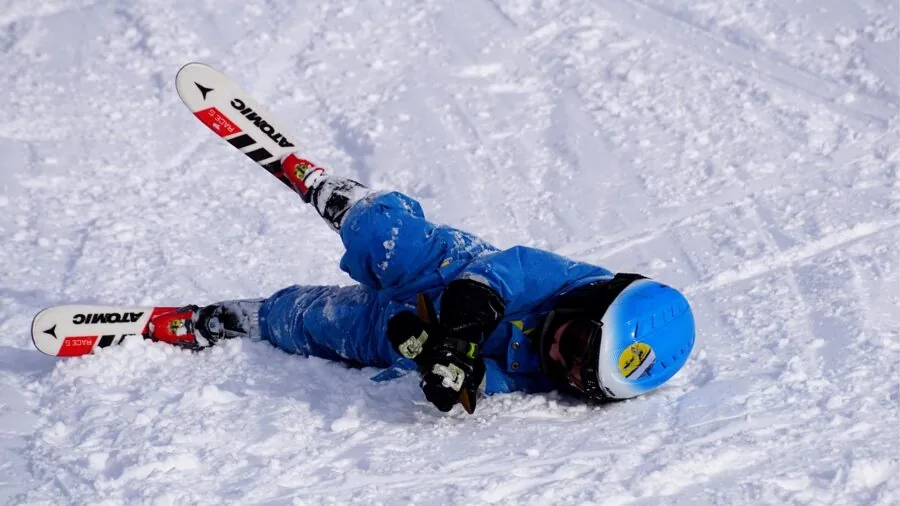
Cylindrical lenses curve horizontally but are flat vertically, making them less expensive to manufacture and generally more common in budget goggles. Spherical lenses curve both horizontally and vertically, mimicking the natural curvature of the eye.
The result is reduced peripheral distortion, less glare from low-angle sunlight, and a wider effective field of view.
Expert consensus consistently places spherical lenses ahead of cylindrical ones for intermediate-to-advanced riders, though cylindrical designs are perfectly adequate for beginners and casual weekend skiers.
Among the picks in this roundup, the EXP VISION spherical detachable-lens model offers that geometry at a budget-friendly price, making it a meaningful step up from flat-lens alternatives without a significant cost increase.
Worth noting: a scratched spherical lens is just as problematic as a fogged one, so always store goggles in their included sleeve when not in use.
Magnetic and Clip-Based Lens-Swap Systems
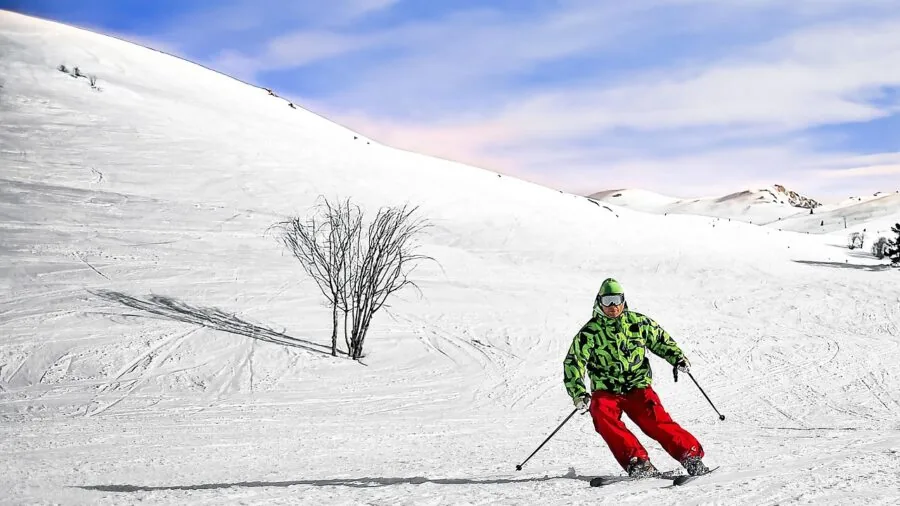
A magnetic lens-swap system lets you change lenses in seconds using embedded magnets around the frame perimeter, no tool, no fumbling with small clips while wearing gloves.
This feature was once exclusive to premium goggles but has migrated to several mid-range options including the ZIONOR X4 and the Snowalva model in this roundup.
The chief advantage is adaptability: you can swap to a high-VLT lens at the lift without removing your gloves or going inside.
Clip-based systems work similarly but require more manual dexterity.
Both approaches are significantly more useful than a goggle with only a single fixed lens, particularly in mountain climates where conditions can shift from flat overcast to reflective afternoon sun within the same day.
If you buy a goggle with a magnetic system, check whether replacement lenses are readily available and reasonably priced before committing.
Strap, Padding, and All-Day Wearability

An adjustable silicone-lined strap keeps the goggle from slipping on a smooth helmet shell during high-speed runs.
Foam padding quality varies substantially across price tiers: entry-level goggles often use a single layer of basic foam that compresses quickly and can feel uncomfortable after an hour or two, while better options use triple-layer foam with a soft fleece facing that seals reliably against a range of face shapes without creating pressure points.
For multi-day trips or full-day passes, wearability compounds. A goggle that feels fine for twenty minutes in a store can become uncomfortable after three hours on the mountain.
Verified buyer reviews are among the most useful data points here because they capture long-duration experience that a brief assessment cannot.
Look for patterns in reviews that mention seal quality, nose-bridge pressure, and whether the foam retains its shape across multiple seasons.
Just as a good pair of ski bindings that holds securely all day reduces fatigue and builds confidence, a well-padded goggle that seals consistently lets you focus on skiing rather than on adjusting your gear.
Why You Should Trust Us
ProductFind is an independent editorial site.
Every product in this roundup was assessed through our structured research methodology: we evaluate manufacturer specifications, cross-reference expert review consensus from the skiing and outdoor-gear community, and systematically review verified buyer feedback from confirmed purchasers.
We do not conduct our own product trials; our evaluations are grounded in research, published data, expert review consensus, and verified buyer feedback.
Each product receives a PF Score on a scale from 0 to 10, calculated against a consistent set of criteria, so every goggle in this list is measured by the same standards rather than shifting benchmarks.
ProductFind may earn a commission when you purchase through links in this article. That affiliate relationship has no bearing on how products are ranked, scored, or selected. Our editorial decisions are driven entirely by research quality and product merit.
We do not accept payments for placement, and no brand has any input into our scores or conclusions. Our goal is straightforward: help you make a well-informed purchase without wasting money on the wrong pair of goggles.
Final Thoughts
After evaluating all eight models across optics quality, anti-fog performance, lens versatility, fit, and overall value, here are our standout picks by use case:
- Best Overall: Oakley OO7050-01 Flight Deck Ski Goggles earns the top PF Score in this roundup through the combination of Prizm lens technology, an expansive frameless field of view, and an engineering standard that expert reviewers consistently rank among the finest in the category.
- Best Budget OTG Pick: OutdoorMaster OTG Ski Goggles consistently earn praise from verified buyers who wear prescription glasses, offering reliable OTG compatibility and solid UV protection at an accessible price point that makes them the smartest budget choice for eyeglass wearers.
- Best Magnetic Lens-Swap Value: ZIONOR X4 Ski Goggles deliver a magnetic interchangeable-lens system at a price well below what this feature typically commands, making them the top pick for riders who want adaptability across varying light conditions without a premium outlay.
- Best for Riders Who Want Versatility on a Budget: Snowalva Ski Goggles pair a magnetic dual-lens system with UV400 protection and appeal strongly to adults who want two lenses ready to go without spending significantly more.
- Best Entry-Level Family or Group Option: LJDJ Ski Goggles 4-Pack trades individual performance for the convenience of a multi-pack at a very low per-unit cost, making it practical for families or groups where not every member needs a high-performance lens system.
Whether you’re kitting out for your first season or upgrading a pair that’s seen better days, this list covers meaningful options at every price tier.
Pair your choice with well-fitting gear across the board, because even the best goggles can’t compensate for equipment that doesn’t work in harmony with the rest of your setup.
Frequently Asked Questions
What VLT should I look for in ski goggles?
VLT (Visible Light Transmittance) should match your typical conditions. Bright, sunny days call for a low VLT lens in the 5 to 20 percent range, while overcast or low-light days need a high VLT lens in the 50 to 80 percent range.
If you ski in variable conditions, a goggle with two interchangeable lenses, like the ZIONOR X4 or Snowalva models in this roundup, gives you the flexibility to adapt without buying a second pair of goggles.
Are OTG ski goggles worth it if I wear glasses?
Yes, and they are essentially a necessity. OTG (over-the-glasses) goggles have a recessed inner foam channel specifically designed to accommodate the arms of prescription eyewear without creating pressure points or seal gaps that let in cold air.
The OutdoorMaster OTG model in this roundup is a particularly well-reviewed option in this segment and is rated accordingly.
Contact lenses remain an alternative, but OTG goggles are the safest choice for cold, windy environments where lens comfort and eye protection matter most.
Do I need to match my ski goggles to my helmet?
Compatibility matters more than aesthetics here.
Most modern ski helmets have a goggle clip or channel that keeps the strap in place, but you need to confirm the goggle’s frame curvature and strap width work with your specific helmet to prevent a gap between the helmet brim and the goggle frame.
Wide-frame goggles like the Oakley Flight Deck require a helmet designed for wider frames. When in doubt, bring your helmet to the store or check the manufacturer’s compatibility notes before purchasing.
Your ski boot fit matters just as much for full-day comfort as your goggle-to-helmet seal.
How do I prevent my ski goggles from fogging up?
The most effective strategies are: choose a goggle with a dual-pane lens (the air gap between panes insulates the inner surface from cold), ensure the ventilation channels at the top and bottom of the frame are unobstructed, and never store a warm goggle face-down on snow or pull it up onto your forehead mid-run.
If fogging does occur, let the goggle air dry naturally at room temperature rather than wiping the inner lens surface, which degrades the anti-fog coating over time.
Higher-budget goggles with better coatings and ventilation design fog less frequently according to verified buyer data, but proper handling habits make a meaningful difference at every price point.
Are cylindrical or spherical lenses better for skiing?
Spherical lenses are generally considered superior for intermediate and advanced skiers because they curve in two planes, reducing peripheral distortion and reflecting less ambient glare from low-angle sunlight.
Cylindrical lenses are flat vertically and only curve horizontally, which makes them simpler and less expensive to manufacture but creates slightly more distortion at the edges of the field of view.
For beginners or casual skiers who are primarily concerned with UV protection and fit rather than optical precision, cylindrical lenses are entirely adequate.
If you’re investing in goggles you expect to use for multiple seasons, the spherical geometry is worth the typically modest price premium.
Can I use ski goggles for snowboarding?
Absolutely. The goggles in this roundup are cross-listed for skiing and snowboarding because the functional requirements are essentially identical: UV protection, anti-fog performance, lens clarity, and a secure seal against wind and cold.
The choice between disciplines does not meaningfully change which goggle you should buy.
What does change is fit priority: snowboarders who ride in the park or in heavy snow often prefer a slightly wider seal and more aggressive ventilation because physical exertion raises body temperature faster.
All eight models on this list are appropriate for both snow sports.
About the author
Vickie is a reviewer and writer for ProductFind who specializes in Winter Sports. Vickie evaluates products through independent research: specifications, expert review consensus, and verified buyer feedback, and rates each one on the PF Score. Vickie focuses on helping readers pick the right winter sport for their needs and budget.