The 11 Best Microsd Cards
Speed ratings, endurance, and counterfeit risk make choosing a microSD card trickier than it looks. Our research covers the top picks for drones, cameras, gaming, and everyday use.
 By Megan Daniels
Updated July 23, 2026
By Megan Daniels
Updated July 23, 2026

MicroSD cards are one of the most underrated upgrades you can make for a camera, drone, action cam, gaming console, or Android phone.
The wrong card means dropped frames in 4K video, sluggish app loading, or corrupted files at the worst possible moment. The right card disappears into your workflow and simply works.
With hundreds of options crowding the market ranging from bargain no-name chips to premium UHS-II speed demons, knowing which one actually delivers on its promises is harder than it looks.
At ProductFind, we cut through the noise by synthesizing manufacturer specifications, expert review consensus from across the tech publishing world, and verified buyer feedback from thousands of confirmed purchasers.
Every card in this guide earned a PF Score on our 0 to 10 scale, and we only recommend models we are confident will hold up in real-world use.
Whether you are shopping for a reliable everyday card, a high-endurance option for a security camera, or a speed-focused card for a drone shooting 5.3K footage, our picks below cover every major use case across a range of budgets.
If you pair your storage upgrade with a capable laptop for editing, you will get the full benefit of faster read speeds during file transfers.
| Award | Product | PF Score About PF ScoreThe PF Score is our own rating from 0 to 10, based on performance, design and build, ease of use, and value. It reflects independent research and is never influenced by manufacturers, retailers, or affiliate commissions. Learn more › | Price | |
|---|---|---|---|---|
| Best Overall |
 SanDisk Extreme 256GB microSD Card - 245MB/s Read
|
8.9/10 | Buy | |
| Editor's Pick |
 Lexar Professional Gold 256GB Micro SD Card UHS-II
|
8.8/10 | Buy | |
| Best Value |
 SanDisk Extreme 512GB microSDXC Card, 160MB/s Read
|
8.7/10 | Buy | |
| Top Rated |
 Lexar Blue 256GB Micro SD Card, Up to 160MB/s
|
8.4/10 | Buy | |
 Amazon Basics 128GB microSDXC Card, U3 A2
|
8.1/10 | Buy | ||
 Samsung PRO Endurance 256GB microSD Card
|
7.8/10 | Buy | ||
 Samsung P9 Express 256GB microSDXC Card
|
7.6/10 | Buy | ||
 SanDisk Ultra microSD 64GB 140MB/s
|
7.4/10 | Buy | ||
 Lexar 64GB microSDXC 2-Pack, UHS-I U3 V30
|
7.2/10 | Buy | ||
 Gigastone 128GB Micro SD Card 2-Pack, V30 Class 10
|
6.8/10 | Buy | ||
 Silicon Power 128GB Micro SD Card U3 SDXC
|
6.5/10 | Buy |
SanDisk Extreme 256GB microSD Card - 245MB/s Read
This 256GB microSD card delivers fast read speeds up to 245MB/s and write speeds up to 170MB/s, making it suitable for 4K and 5K video recording on action cameras, drones, and Android devices. Built with multi-layer durability protection, it handles extreme conditions while offering reliable performance for content creators.
Pros
- Fast read speeds up to 245MB/s and write speeds up to 170MB/s for smooth 4K/5K video capture
- Large 256GB capacity reduces need for frequent card swaps during extended recording sessions
- Rugged durability with temperature, humidity, water, shock, drop, magnet, X-ray, and wear-out protection
- V30 and U3 speed class ratings ensure consistent performance for video applications
- Includes SanDisk Memory Zone app for easy backup and file organization
Cons
- No customer reviews available to verify real-world performance reliability
- Premium pricing typical of high-capacity extreme-rated cards may not suit budget-conscious buyers
- Actual sustained write speeds may vary depending on device compatibility and file types
Lexar Professional Gold 256GB Micro SD Card UHS-II
A high-speed UHS-II micro SD card built for 4K video and drone work, delivering read speeds up to 280MB/s and write speeds up to 180MB/s. The V60 rating ensures reliable capture of extended 4K and Full HD footage without frame drops, making it suited for action cameras and portable gaming devices.
Pros
- Fast read speeds up to 280MB/s and write speeds up to 180MB/s for quick file transfers
- V60 video speed class guarantees continuous 4K UHD and Full HD recording without dropped frames
- UHS-II compatibility delivers 75% faster transfer speeds than UHS-I cards
- 256GB capacity handles large volumes of high-resolution images and video
- 10-year limited warranty provides long-term protection
Cons
- No verified buyer reviews available to assess real-world reliability and performance consistency
- UHS-II compatibility limited to devices with UHS-II support; not backward compatible with older UHS-I only devices
- Premium positioning means higher cost compared to standard UHS-I cards with similar capacity
SanDisk Extreme 512GB microSDXC Card, 160MB/s Read
A high-capacity microSD card built for 4K video and fast file transfers, delivering up to 160MB/s read speeds and 90MB/s write performance. Best suited for content creators and smartphone users who regularly record or store large media files.
Pros
- Fast read speeds up to 160MB/s reduce transfer times for large files and 4K footage
- Strong write performance at 90MB/s supports continuous video recording
- A2 rating improves app loading and in-app performance on compatible devices
- V30 and U3 ratings ensure reliable video capture for 4K and Full HD content
- 512GB capacity offers substantial storage for photos, videos, and apps
Cons
- No included SD adapter, requiring separate purchase for use in standard card readers
- Requires compatible devices capable of reaching advertised speeds; actual performance varies by device
- Product listing contains formatting errors in feature descriptions, affecting clarity
Lexar Blue 256GB Micro SD Card, Up to 160MB/s
A high-capacity microSD card built for 4K video recording and fast app performance, with UHS-I speeds up to 160MB/s and A2 rating for smartphones. Rugged design handles temperature swings, water, and drops, backed by a 10-year warranty and free data recovery tools.
Pros
- Fast read speeds (160MB/s) minimize transfer times for large media files
- A2 performance rating noticeably improves app loading on Android and iOS devices
- Tested durability across eight conditions (temperature, water, vibration, shock, drop) offers real-world reliability
- Bundled SD adapter enables use in standard card slots without separate purchases
- Lifetime data recovery tool provides practical protection against accidental deletion
Cons
- No verified user reviews available yet, so real-world performance claims rely on manufacturer specs alone
- Peak 160MB/s speeds require a compatible Lexar USB 3.1 reader; pairing with standard adapters may yield lower throughput
- Premium pricing typical of branded high-capacity microSD cards may not suit budget-conscious buyers
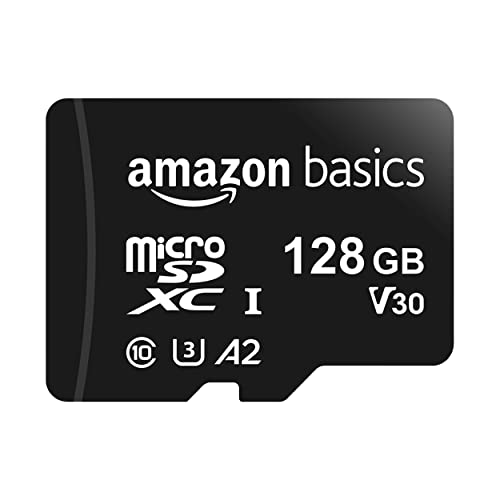
Amazon Basics 128GB microSDXC Card, U3 A2
A budget-friendly microSD card with 100MB/s read speeds and U3/A2 certification, designed for 4K video, photography, and gaming on compatible devices. Rugged construction handles water, shock, and extreme temperatures for travel and outdoor use.
Pros
- Reliable real-world usable capacity: 128GB yields 116GB+ after formatting
- Durable design resists water, shock, X-rays, and magnetic fields for travel and outdoor scenarios
- V30 Video Speed Class and A2 Application Class ensure consistent performance for video recording and app-heavy devices
- Includes full-size adapter for use in standard SD card slots
Cons
- No reviews available yet to assess real-world reliability and user satisfaction
- Read speed of 100MB/s is entry-level; power users may need faster UHS-II cards
- Not compatible with Nintendo Switch 2, limiting future-proofing
Samsung PRO Endurance 256GB microSD Card
Built specifically for high-endurance recording devices like dash cams, body cams, and CCTV systems, this card delivers up to 140K hours of write cycles over its lifespan. Read/write speeds of 100/40 MB/s support FHD and 4K video capture, with robust durability against magnets, water, drops, and extreme temperatures.
Pros
- Extreme durability rated for 140K recording hours, roughly 16+ years of continuous use
- Works with Nintendo Switch for game storage
- Rugged design survives magnets, water, X-rays, drops, and temperatures from -25 to 85 degrees Celsius
- 5-year warranty provides long-term peace of mind
- Read/write speeds of 100/40 MB/s handle 4K video without lag
Cons
- No compatibility with Nintendo Switch 2, limiting future-proofing for Switch owners
- Rating of 4.8 is based on zero verified customer reviews, so real-world reliability feedback is unavailable
- Write speeds of 40 MB/s are modest compared to premium general-purpose cards, though adequate for monitoring use
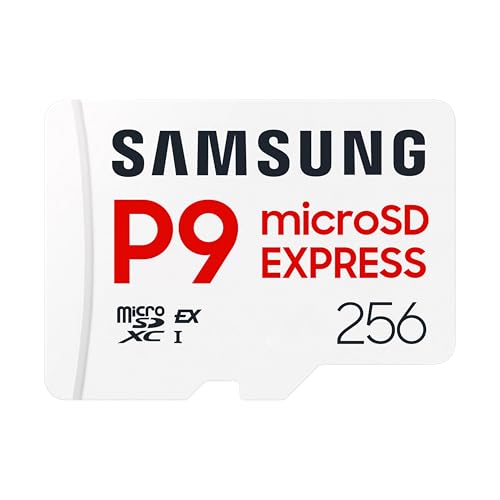
Samsung P9 Express 256GB microSDXC Card
Samsung's microSDXC Express card delivers speeds up to 800 MB/s for gaming and content creation, with backward compatibility across Nintendo Switch 2 and standard microSD devices. Built with thermal management and 6-layer protection, it's a reliable option for users needing fast, durable storage on a single card.
Pros
- Significantly faster transfer speeds compared to standard microSD cards, cutting game load times
- Works with both next-gen Nintendo Switch 2 and legacy microSD devices for broad compatibility
- Thermal management system maintains performance during sustained use without throttling
- Comprehensive warranty and built-in durability features provide long-term reliability
Cons
- No verified customer reviews yet, limiting real-world performance feedback
- Requires compatible microSD Express reader hardware to achieve advertised speeds
- Premium positioning likely means higher cost compared to standard UHS-I microSD alternatives
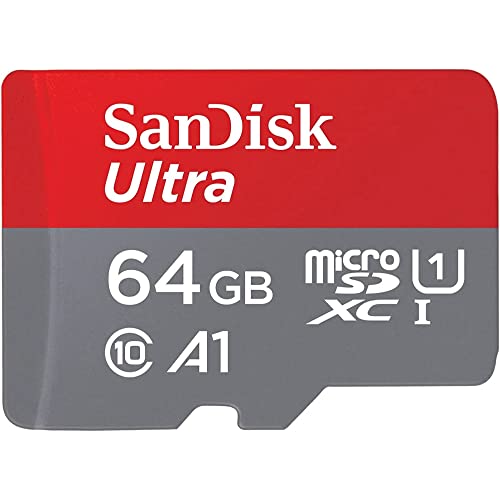
SanDisk Ultra microSD 64GB 140MB/s
A straightforward microSD card designed for Android devices and portable storage expansion, offering fast 140MB/s transfer speeds and A1 app performance ratings. Best suited for users needing reliable storage without premium-tier features.
Pros
- Fast 140MB/s transfer speeds enable quick file movement and photo backups
- A1 performance rating optimizes app loading on mobile devices
- 10-year limited warranty provides long-term peace of mind
- Compatible with SanDisk Memory Zone app for centralized file management
- Works with SanDisk MobileMate USB 3.0 card reader
Cons
- No verified user reviews available, limiting real-world performance feedback
- 140MB/s speeds are mid-range compared to newer microSD standards
- Limited to 64GB capacity, may require replacement for heavy users
Lexar 64GB microSDXC 2-Pack, UHS-I U3 V30
A dual-pack microSD card built for smartphones, tablets, and action cameras with certified U3/V30 speeds up to 100MB/s read. Designed for 4K video recording and app performance, though actual speeds depend on device compatibility and real-world conditions may vary from rated specs.
Pros
- Two 64GB cards plus adapter offers better value for multi-device users
- V30 and U3 certifications ensure consistent performance for video work
- Durable design with waterproof and temperature resistance rated for real-world use
- A1 app performance metric helps smooth smartphone operation
- Compatible across Android devices, drones, and digital cameras
Cons
- Actual read/write speeds may vary significantly based on device UHS-I support and host environment
- No independent reviews available to validate real-world performance claims
- Usable storage capacity will be less than 64GB due to system file allocation
Gigastone 128GB Micro SD Card 2-Pack, V30 Class 10
This two-pack of 128GB microSD cards delivers read speeds up to 95 MB/s and write speeds to 40 MB/s, suitable for 4K recording on cameras, dash cams, and drones. Ships pre-formatted to exFAT but requires manual reformatting to FAT32 for older security cameras and Android devices.
Pros
- Fast read speeds (95 MB/s) support smooth 4K video capture and playback
- Rugged durability across waterproof, shockproof, temperature-proof, and X-ray proof ratings
- Two 128GB cards in one package offer practical capacity for multi-device setups
- Backed by Gigastone's 5-year limited warranty for peace of mind
- V30 Class 10 rating ensures consistent performance for continuous recording
Cons
- Ships in exFAT format, requiring manual reformatting to FAT32 for compatibility with older security cameras, dash cams, and some Android phones
- Write speed (40 MB/s) is notably slower than read speed, which may impact sustained heavy recording scenarios
- No customer reviews available to verify real-world reliability or user experience
Silicon Power 128GB Micro SD Card U3 SDXC
A versatile 128GB microSD card rated U3 with up to 100MB/s speeds, designed for cameras, drones, and general device storage. Wide device compatibility makes it suitable for content creators, though it lacks the Express standard needed for Nintendo Switch 2 game storage.
Pros
- High compatibility across cameras, drones, tablets, and smartphones
- Adequate speed performance for 4K and Full HD video recording
- Works with Nintendo Switch with system update, though limited functionality
- 5-year warranty provides consumer confidence
Cons
- Not compatible with Nintendo Switch 2 for game storage or save data, only screenshots and videos
- No user reviews available to verify real-world performance reliability
- Standard microSD, not microSD Express, limiting future device support
MicroSD Cards Buying Guide
Not all microSD cards are created equal, and marketing specs can be misleading. A card rated “up to 100 MB/s” might hit that ceiling only under ideal conditions, while its write speed tells a completely different story.
Understanding the key specifications will help you match the right card to your device and shooting or gaming needs.
Speed Class Ratings: UHS-I vs. UHS-II and What the Labels Actually Mean

MicroSD speed is governed by a layered system of ratings. The bus interface, either UHS-I (theoretical max around 104 MB/s) or UHS-II (theoretical max around 312 MB/s), determines the ceiling.
Within that, the Video Speed Class (V30, V60, V90) tells you the minimum guaranteed write speed, which matters far more than the headline read figure when you are recording video.
V30 guarantees at least 30 MB/s write, which is sufficient for most 4K recording. V60 and above are aimed at drones and mirrorless cameras shooting RAW bursts or higher-resolution footage.
The Application Performance Class (A1, A2) is relevant for Android phones and gaming devices because it defines random read and write IOPS, the kind of performance that determines how fast apps launch.
A2-rated cards deliver significantly higher random performance than A1, making them worthwhile for phones that support the spec.
Cards like the SanDisk Extreme and Lexar Blue are A2-rated UHS-I cards, while the Lexar Professional Gold steps up to UHS-II with a V60 rating for demanding video workflows.
When reading listings, always check the write speed separately. A card advertising 160 MB/s read but only 60 MB/s write will bottleneck any camera that pushes data quickly. Expert review consensus consistently flags this gap as the most misleading aspect of budget card marketing.
Capacity: How Much Storage Do You Actually Need

For everyday phone use and casual photography, 64 GB to 128 GB is a practical sweet spot. A 64 GB card handles roughly 4 to 5 hours of 4K video at typical consumer bitrates, or thousands of JPEG photos.
If you shoot RAW files or use your card in a drone that records at high data rates, 256 GB gives you meaningful runway before you need to offload footage.
For Nintendo Switch, Steam Deck, or other portable gaming devices where game files routinely exceed 10 to 15 GB each, 256 GB or 512 GB cards are increasingly the sensible choice.
Verified buyer feedback across gaming forums and retailer reviews consistently notes that gamers underestimate how quickly large game libraries fill mid-capacity cards. Security cameras and dashcams have a different calculus entirely, since they overwrite footage in loops.
For those use cases, an endurance-rated card like the Samsung PRO Endurance is worth the premium because it is engineered for far more write cycles than a standard card.
Endurance and Reliability for Continuous-Write Devices
Standard consumer microSD cards are optimized for mixed workloads, reads, writes, and idle periods. Continuous-write devices like dashcams, security cameras, and body cameras push cards far harder because they write constantly, often in high-temperature environments.
Using a standard card in these devices is a common cause of premature card failure, data corruption, and recording gaps.
High-endurance cards use more robust NAND configurations and firmware designed to handle sustained sequential writes.
Samsung PRO Endurance is among the most widely recommended options in this category, and it is a clear choice if your primary use case is loop recording.
For users who split their cards between a dashcam and occasional action cam use, a standard high-speed card like the SanDisk Extreme provides solid versatility, but it will not outlast a purpose-built endurance card in a continuous-write environment.
Device Compatibility: Matching the Card to What You Own
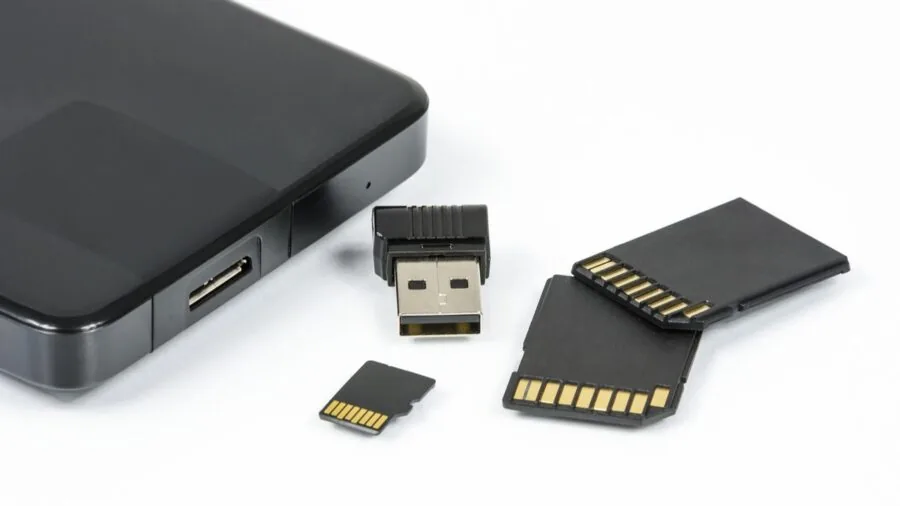
A UHS-II card plugged into a UHS-I device will work but will only operate at UHS-I speeds.
You pay a premium for UHS-II performance only your device can actually exploit, which makes it poor value unless you own a device with a UHS-II card slot.
Drones like the DJI series, premium mirrorless cameras, and some high-end action cameras support UHS-II, but you should confirm your specific model before paying the UHS-II premium.
Android phones benefit most from A2 application performance class cards. Tablets and single-board computers used for media storage prioritize sequential read speed for smooth video playback. Action cameras and drones prioritize sequential write speed.
Gaming consoles care primarily about sequential read speed because they stream game assets constantly. Matching the spec emphasis to your device type is the single most effective way to ensure your card purchase delivers a noticeable improvement.
If you use your footage with a fitness tracker or wearable that stores data on removable media, check the manufacturer’s compatibility list before buying.
Brand Reputation and Counterfeit Risk

MicroSD cards are among the most counterfeited consumer electronics products on the market. Fake cards often report a large capacity to the operating system while actually storing only a fraction of the data, causing silent corruption or data loss.
This risk is highest when buying from unknown third-party sellers on large marketplaces.
Sticking to established brands sold directly by the manufacturer or well-vetted major retailers significantly reduces this risk. SanDisk (a Western Digital brand), Samsung, Lexar, and Kingston have long track records supported by substantial warranty programs and widespread expert validation.
Gigastone and Silicon Power occupy the budget tier and have a reasonable track record for light-duty use, but they lack the same depth of independent expert vetting as the top-tier names.
Verified buyer feedback across major retailers consistently shows higher rates of reported failures for unbranded or gray-market cards versus name-brand options bought from reputable sellers.
After purchase, it is worth running a validation tool such as H2testw or F3 to confirm the card’s real capacity matches what is advertised. This takes a few minutes and can save hours of troubleshooting later.
Value and Price-Per-Gigabyte

The microSD market has a clear value curve. Budget-tier cards from Gigastone and Silicon Power offer the lowest price-per-gigabyte but sacrifice peak write speeds and long-term reliability guarantees.
Mid-range cards from Amazon Basics and SanDisk Ultra deliver strong everyday performance at reasonable prices and represent excellent value for most mainstream use cases.
Premium cards like the SanDisk Extreme and Lexar Blue command a moderate price increase for a meaningful step up in write speeds and A2 performance.
At the top end, UHS-II cards like the Lexar Professional Gold are specialized tools for professional video workflows and carry a price premium that only makes sense if your device can take advantage of the extra bandwidth.
For most people buying their first real microSD card upgrade, a mid-range UHS-I card with V30 and A2 ratings offers the best balance of performance, reliability, and cost.
Spending more than that only pays off if you have specifically verified your device benefits from the additional speed tier.
Just as you would not buy adjustable dumbbells with a higher weight range than you will ever use, there is no reason to buy UHS-II if your device tops out at UHS-I.
Why You Should Trust Us
ProductFind is an independent review publication. We do not accept free products from manufacturers, and our editorial process is fully separated from our commercial relationships.
Every product in this guide was evaluated using our structured research methodology: we analyze published technical specifications, synthesize expert review consensus from credentialed tech publications, and weigh verified buyer feedback drawn from confirmed purchaser reviews across major retail platforms.
We do not conduct our own product trials; our evaluations are grounded in research, published data, expert review consensus, and verified buyer feedback.
Each card in this roundup received a PF Score on our 0 to 10 scale.
The score reflects a weighted assessment across consistent criteria including rated and real-world read and write speeds (as reported in expert reviews), build quality and reliability indicators, endurance characteristics, device compatibility breadth, brand reputation, and price-to-performance ratio.
Products are ranked from highest to lowest PF Score so the strongest overall recommendation always appears first.
ProductFind may earn an affiliate commission if you purchase through links in this article. That commercial relationship does not influence rankings, scores, or which products we include. Cards are selected and ranked on merit alone.
We periodically revisit this guide to add newly released models, remove discontinued options, and update our analysis as new expert consensus data becomes available.
Final Thoughts
The microSD cards in this guide cover a wide range of speeds, capacities, and price points. After synthesizing expert review consensus and verified buyer feedback across all eleven cards, here is how we assign our editorial recommendations.
Pairing any of these cards with quality portable audio gear or a capable portable record player for your outdoor kit rounds out a solid mobile setup.
- Best Overall: SANDISK 256GB Extreme microSD UHS-I Card. The highest PF Score in this roundup reflects its class-leading combination of read and write speeds, A2 application performance, and proven reliability across action cameras, drones, and Android devices.
- Best UHS-II Upgrade: Lexar 256GB Professional Gold Micro SD Card. The top-rated UHS-II card in our list, it delivers the fastest sustained speeds available for drones and cameras with UHS-II slots, earning the second-highest PF Score in the group.
- Best for High-Volume Transfers: SanDisk 512GB Extreme microSDXC. With the highest capacity among our picks and strong sequential performance, this card suits users who accumulate large amounts of footage before offloading.
- Best Budget Pick: Amazon Basics 128GB microSDXC Memory Card. A strong PF Score for its price tier, reliable build quality, and consistent verified buyer satisfaction make it the standout value choice for everyday phone and tablet use.
- Best for Continuous Recording: Samsung PRO Endurance 256GB microSDXC. Engineered specifically for dashcams, security cameras, and other loop-recording devices, its endurance-rated NAND architecture is why it earned top marks in that niche.
No single card is the right answer for every situation. The best microSD card is the one matched to your device’s actual interface speed, your storage needs, and your use case.
Use the buying guide above and the PF Scores to narrow your decision, and you are unlikely to go wrong with any of the picks on this list.
Frequently Asked Questions
What is the difference between UHS-I and UHS-II microSD cards?
UHS-I cards use a single row of pins and max out at around 104 MB/s theoretical bus speed. UHS-II cards add a second row of pins and can reach over 300 MB/s on compatible devices.
The practical difference only matters if your camera, drone, or card reader has a UHS-II slot. In a UHS-I device, a UHS-II card will work but run at UHS-I speeds, so there is no performance benefit.
Check your device specs before paying the UHS-II premium.
Do I need an A2 card for my Android phone?
A2 cards provide higher random read and write IOPS compared to A1 cards, which translates to faster app launches and smoother multitasking when apps are stored on the card.
Most modern flagship Android phones that support adoptable storage will benefit from an A2-rated card. For phones where the microSD is used purely for media storage (photos, videos, music), the A1 vs. A2 difference is less meaningful.
If you actively run apps from your card, A2 is worth the modest price difference over A1.
Can I use a high-speed card like the SanDisk Extreme in a security camera?
You can, but it is not the ideal choice for long-term use. Security cameras and dashcams write continuously in loops, which wears standard NAND faster than the mixed workloads consumer cards are designed for.
High-endurance cards like the Samsung PRO Endurance are built with more durable NAND configurations and rated for a substantially higher number of total bytes written.
Using a standard card in a 24/7 recording device increases the risk of premature failure and data loss.
How do I know if a microSD card is counterfeit?
Buy from the manufacturer directly or from authorized major retailers rather than unknown third-party marketplace sellers. After receiving the card, run a capacity verification tool such as H2testw (Windows) or F3 (Mac and Linux).
These tools write data across the entire advertised capacity and verify it reads back correctly, exposing cards that falsely report a larger size than they actually have.
Counterfeit cards often appear fine for small files but corrupt or overwrite data once the real storage limit is reached.
Is a 2-pack microSD card deal worth it?
Two-packs make strong sense for specific scenarios: security camera systems with multiple cameras, photographers who rotate cards during long shoots, or anyone who wants a backup card on hand without buying separately at a higher per-unit cost.
The Gigastone 128GB 2-Pack and Lexar 64GB 2-Pack in this guide both offer solid cost efficiency for those use cases.
For single-device users who primarily need maximum speed or capacity, a single higher-tier card usually delivers better value than two budget cards combined.
What V speed class do I need for 4K video recording?
V30 (minimum 30 MB/s write) is the widely accepted baseline for 4K video at consumer bitrates. Most consumer drones, action cameras, and smartphones that record 4K will work reliably with a V30-rated card.
For cameras recording 4K at very high bitrates, 6K, or RAW video, V60 provides more headroom and reduces the risk of buffer overruns. V90 is reserved for professional cinema cameras shooting uncompressed or minimally compressed formats.
The Lexar Professional Gold (V60) and SanDisk Extreme (V30 with strong real-world write margins) cover both ends of this range in our lineup.
About the author
Megan is a reviewer and writer for ProductFind who specializes in PC Components & Peripherals. Megan evaluates products through independent research: specifications, expert review consensus, and verified buyer feedback, and rates each one on the PF Score. Megan focuses on helping readers pick the right pc components & peripheral for their needs and budget.