The 10 Best Heart Rate Monitors
Accurate heart rate data transforms how you train. We researched chest straps, optical armbands, and EKG monitors from Polar, Garmin, CooSpo, and more to find the best options for every athlete.
 By Clifford Baker
Updated July 23, 2026
By Clifford Baker
Updated July 23, 2026
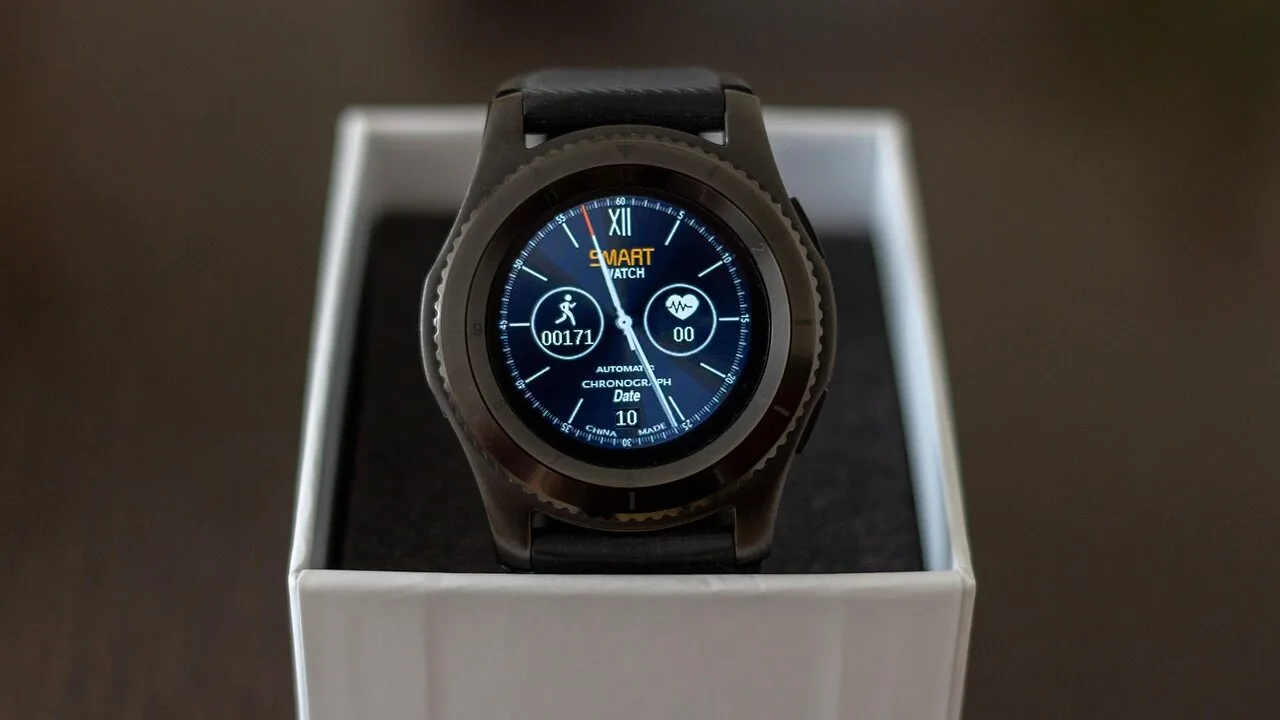
Your heart is the most important performance metric you have, and a dedicated heart rate monitor gives you a direct window into how hard your body is actually working, whether you’re logging easy zone 2 miles, pushing through interval sessions, or managing a cardiac condition under a doctor’s guidance.
Unlike the optical sensors built into most smartwatches, standalone heart rate monitors, especially chest straps and dedicated armbands, deliver the kind of accuracy that serious athletes and health-conscious users genuinely depend on.
As exercise physiologists consistently note, understanding your heart rate zones transforms training from guesswork into a data-driven process, helping you balance recovery days with hard efforts and avoid the overtraining trap that sidelines so many runners and cyclists.
This guide covers ten heart rate monitors spanning every use case and budget, from medical-grade EKG devices to affordable chest straps that punch well above their price.
Our team at ProductFind researched each option using a synthesis of manufacturer specifications, expert review consensus from coaches and sports scientists, and verified buyer feedback gathered across thousands of purchases.
The picks below represent the strongest options available right now across accuracy, comfort, connectivity, and value. Scroll down to see our full ranked list.
| Award | Product | PF Score About PF ScoreThe PF Score is our own rating from 0 to 10, based on performance, design and build, ease of use, and value. It reflects independent research and is never influenced by manufacturers, retailers, or affiliate commissions. Learn more › | Price | |
|---|---|---|---|---|
| Best Overall |
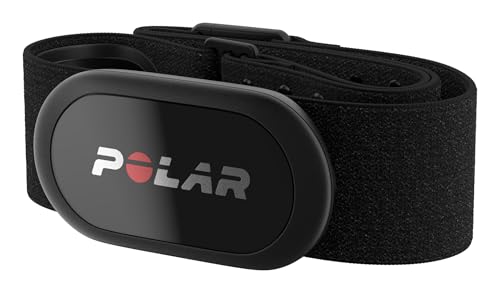 Polar H10 Heart Rate Monitor Chest Strap
|
9.0/10 | Buy | |
| Editor's Pick |
 Garmin HRM-600 Heart Rate Monitor with Running Dynamics
|
8.8/10 | Buy | |
| Best Value |
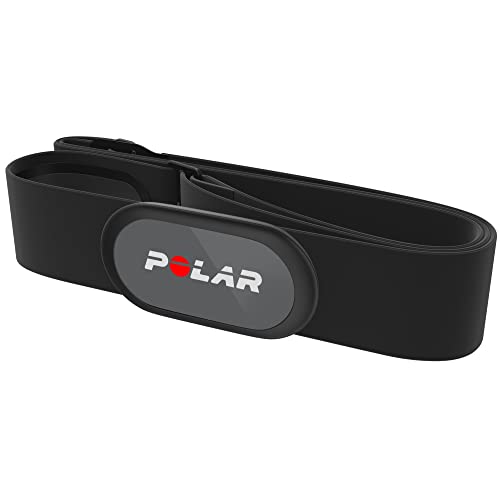 Polar H9 Heart Rate Sensor with Chest Strap
|
8.7/10 | Buy | |
| Top Rated |
 Polar Verity Sense Optical Heart Rate Armband
|
8.2/10 | Buy | |
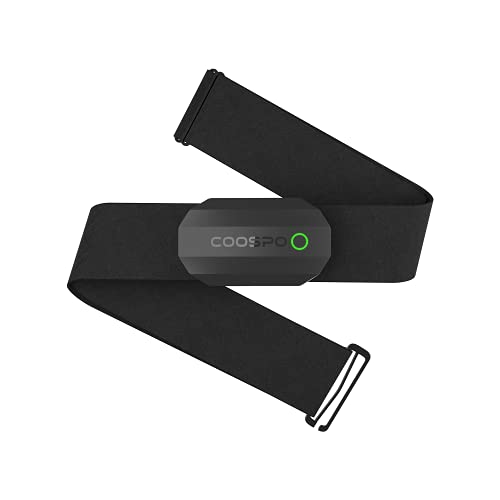 CooSpo H808S Bluetooth/ANT+ Heart Rate Monitor
|
7.8/10 | Buy | ||
 Garmin HRM 200 Heart Rate Monitor
|
7.6/10 | Buy | ||
 KardiaMobile 1-Lead EKG Monitor
|
7.5/10 | Buy | ||
 COROS Armband Heart Rate Monitor
|
7.3/10 | Buy | ||
 AliveCor KardiaMobile 6L Max Portable EKG Monitor
|
7.2/10 | Buy | ||
 Fitbit Inspire HR Fitness Tracker with Heart Rate
|
6.5/10 | Buy |
Polar H10 Heart Rate Monitor Chest Strap
The Polar H10 is a premium chest strap heart rate monitor recognized for top precision across sports equipment and fitness apps. Its dual connectivity (Bluetooth and ANT+), waterproof design, and internal memory make it reliable for athletes and fitness enthusiasts who demand accuracy and versatility.
Pros
- Superior accuracy widely recognized by fitness industry sources
- Multiple connectivity options allow simultaneous pairing with different devices
- Waterproof construction and internal memory support extended training sessions
- Comfortable, interference-free chest strap with improved electrode design
- Universal compatibility works with virtually all heart rate monitor compatible equipment
Cons
- Requires specific CR2025 button cell battery; using other sizes may damage the sensor
- No customer reviews available to assess real-world durability and long-term reliability
- Premium positioning may not suit budget-conscious buyers seeking basic heart rate tracking
Garmin HRM-600 Heart Rate Monitor with Running Dynamics
A versatile chest strap that delivers real-time heart rate and HRV data to Garmin devices, plus running dynamics like stride length and ground contact time. Works as a standalone recorder for activities where you can't wear a watch, making it useful for team sports and pool swimming.
Pros
- Sends accurate heart rate data across multiple Garmin devices and compatible fitness apps
- Standalone recording feature captures workouts during activities where watches aren't practical
- Machine-washable strap increases durability and hygiene compared to non-washable alternatives
- Running dynamics metrics help runners assess and improve form and efficiency
- Extended 2-month battery life reduces frequent recharging needs
Cons
- Requires compatible Garmin smartwatch or device for full feature access and running dynamics
- No user reviews available to verify real-world reliability or comfort experience
- Only ships in M-XL size option, limiting choice for smaller frame users
Polar H9 Heart Rate Sensor with Chest Strap
A budget-friendly HR monitor built on Polar's decades of heart rate tracking expertise, compatible with most fitness devices and smartphone apps. Delivers reliable accuracy for everyday training and health monitoring without the premium price tag.
Pros
- Proven accuracy from Polar's established HR sensor technology
- Universal compatibility across fitness watches, gym equipment, and apps
- Waterproof construction suitable for aquatic training
- Comfortable soft chest strap with multiple size options
Cons
- No customer reviews available to validate real-world performance
- Requires CR2025 battery replacement (included, but specific battery requirement limits alternatives)
- Strap durability and longevity unclear without verified user feedback
Polar Verity Sense Optical Heart Rate Armband
A compact optical heart rate monitor designed to keep your wrist free by strapping to your upper or lower arm, goggles, or under tight clothing. It offers multiple connectivity options (ANT+, dual Bluetooth) and one-button operation, making it versatile for various training scenarios and third-party apps.
Pros
- Flexible wearing options eliminate typical armband or chest strap constraints
- Strong connectivity versatility with ANT+ and dual Bluetooth channels
- Minimal size and weight make it unobtrusive during workouts
- Compatible with numerous third-party fitness apps and devices
Cons
- No verified user reviews available to confirm real-world accuracy or durability claims
- Placement-dependent accuracy means proper fit and skin contact are critical
- Limited to heart rate monitoring only, lacking additional metrics or training features
CooSpo H808S Bluetooth/ANT+ Heart Rate Monitor
A dual-mode chest strap that connects via Bluetooth and ANT+ to fitness apps like Zwift, Strava, and Peloton, claiming ±1 BPM accuracy. Water-resistant design suits runners and cyclists, though setup requires moistening electrodes and connecting through apps rather than phone settings.
Pros
- Dual-mode connectivity eliminates need to choose between Bluetooth and ANT+ ecosystems
- Wide app compatibility across popular fitness platforms and smartwatches
- IP67 waterproof rating handles sweat, rain, and water sports
- Compact form factor weighs under 0.04 pounds
- Visual and audio feedback for immediate connection confirmation
Cons
- Requires manual electrode moistening before each use for proper sensor contact
- Must pair through fitness apps rather than standard phone Bluetooth settings, adding setup friction
- Strap requires replacement every 6 months or 300 wash cycles, increasing long-term costs
- No verified customer reviews on record to confirm real-world durability
Garmin HRM 200 Heart Rate Monitor
This wireless chest strap transmits real-time heart rate and HRV data to Garmin devices and third-party fitness apps, with a machine-washable design and up to one year of battery life. The dual-size strap (XS-S and M-XL) accommodates different body types, making it practical for varied users.
Pros
- Sends real-time heart rate and heart rate variability metrics to multiple device types
- Machine washable strap simplifies cleaning and maintenance
- Extended battery life (up to 1 year) and user-replaceable battery reduces ongoing costs
- Dual size options accommodate different body types for better comfort and fit
Cons
- No user reviews available to verify real-world performance and durability claims
- Limited to 3 ATM water rating, which is modest for water sports or swimming
- Only transmits data; does not display metrics on the strap itself
KardiaMobile 1-Lead EKG Monitor
A pocket-sized, FDA-cleared personal EKG device that records medical-grade heart rhythms in 30 seconds without requiring Bluetooth or Wi-Fi connectivity. Cardiologists widely recommend it for detecting atrial fibrillation and arrhythmias, though results are single-lead and it cannot detect heart attacks.
Pros
- Extremely portable and simple to use with just fingers on sensors
- Widely trusted by cardiologists and hospitals globally, with over 350 million EKGs recorded
- Clear, easy-to-understand results displayed immediately on your phone
- No subscription required for basic EKG detection and rhythm classification
- Results can be emailed directly to your doctor for professional review
Cons
- Not suitable for users with pacemakers or implantable cardioverter defibrillators (ICDs)
- Single-lead EKG provides limited diagnostic information compared to multi-lead hospital systems
- Cannot detect heart attacks, so it does not replace regular medical checkups or emergency care
COROS Armband Heart Rate Monitor
An armband-style heart rate monitor designed for sports workouts that pairs with COROS watches and multiple fitness devices via Bluetooth. The soft fabric band and auto-wear detection offer convenience, though it's limited to workout tracking rather than 24/7 daily monitoring.
Pros
- Comfortable armband fit with adjustable elasticated band and textured surface for stability
- Multi-device Bluetooth connectivity supports COROS watches, indoor trainers, bikes, phones, and apps simultaneously
- Excellent battery endurance: 38 hours of use or 80 days standby on single charge
- Built-in wear detection automatically connects to paired devices when workout starts
- Removable sensor design simplifies band cleaning
Cons
- Bluetooth-only connectivity, not compatible with ANT+ devices
- Designed specifically for sports and workout tracking, not suitable for continuous daily heart rate monitoring
- No verified buyer reviews available to assess real-world reliability and durability
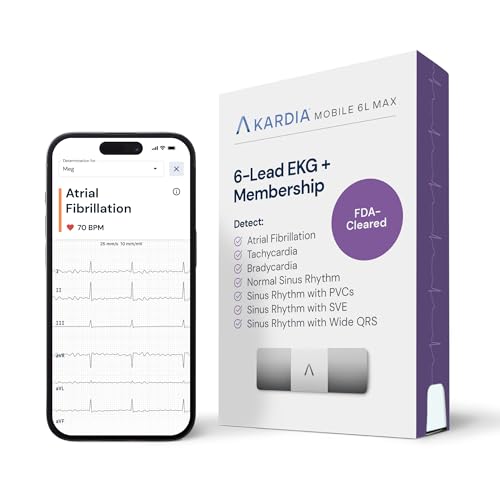
AliveCor KardiaMobile 6L Max Portable EKG Monitor
A medical-grade, six-lead EKG device that records heart data in 30 seconds and syncs with your smartphone. Includes one year of KardiaCare membership with four free cardiologist reviews annually, making it useful for people monitoring arrhythmias or seeking portable heart health insights.
Pros
- Delivers clinical-grade six-lead EKG data comparable to hospital equipment in a pocket-sized device
- KardiaCare membership includes four annual cardiologist reviews at no extra cost, plus the ability to purchase additional reviews if needed
- Seamless integration with smartphones and tablets via Bluetooth requires no special cables or Wi-Fi setup
- Automatic email sharing to healthcare providers streamlines communication of results
- Tagging feature lets you correlate readings with activities or symptoms to identify patterns over time
Cons
- KardiaCare membership is required to use the 6L Max EKG functionality and auto-renews after the first year unless canceled
- Cardiologist review turnaround is 24 hours, not real-time, which may not suit urgent situations
- No user reviews available yet to assess real-world reliability or device durability over extended use
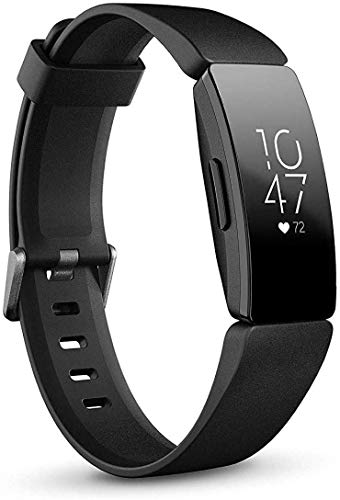
Fitbit Inspire HR Fitness Tracker with Heart Rate
A lightweight fitness tracker with 24/7 heart rate monitoring and up to 5 days of battery life. Best suited for users seeking basic activity and sleep tracking without premium features or constant charging.
Pros
- Extended battery life reduces charging frequency compared to many competitors
- Built-in heart rate sensor eliminates need for separate chest strap
- Water resistant design works for pool swimming and water sports
- Automatic workout detection requires minimal manual intervention
- Lightweight and compact at 0.22 pounds with adjustable bands included
Cons
- Not suitable for hot tubs or saunas despite water resistance rating
- No reviews available yet to validate real-world performance claims
- Limited to Bluetooth 4.0 connectivity, which is outdated relative to current standards
Heart Rate Monitors Buying Guide
Choosing the right heart rate monitor comes down to more than picking the one with the highest star rating.
Sensor technology, connectivity standards, form factor, and intended activity all play a role in whether a device will actually serve you well over months of use.
The sections below break down the criteria that matter most, so you can match a monitor to your specific training goals, whether you’re a competitive cyclist, a casual fitness walker, or someone tracking heart health on doctor’s orders.
If you’re also considering a full GPS unit that bundles heart rate tracking, our guide to GPS watches for runners and adventurers covers that overlap in detail.
Sensor Technology: Chest Strap vs. Optical Armband
The single biggest factor in accuracy is how the monitor reads your heart rate. Chest straps use electrical signals, the same principle as a clinical ECG, to detect each heartbeat directly.
This makes them the gold standard for athletes who need precise data during high-intensity intervals, where optical sensors on wrists or arms can lag or drop readings due to motion artifact.
Chest straps from brands like Polar and Garmin consistently earn the highest accuracy ratings in expert consensus reviews, particularly during rapidly changing heart rates.
Optical armbands sit higher on the arm, away from wrist tendons and bones, which reduces some of the motion noise that plagues wrist-based optical sensors.
Devices like the Polar Verity Sense use photoplethysmography (PPG) at the upper arm and perform well for steady-state cardio like running, cycling, and swimming.
They’re also more comfortable for athletes who dislike the feeling of a chest strap during high-repetition strength work. For most recreational athletes, a quality optical armband offers a strong balance of comfort and accuracy.
For competitive athletes or anyone training by strict heart rate zones, a chest strap remains the more reliable choice.
Medical-grade EKG monitors like those in the KardiaMobile line sit in their own category. They don’t track continuous heart rate during workouts; instead, they capture a 30-second EKG reading that a physician can interpret for arrhythmia screening.
If your goal is fitness tracking, stick with chest straps or armbands. If your goal is cardiac monitoring, an FDA-cleared EKG device adds a layer of clinical insight that no fitness-grade HRM can match.
Connectivity: ANT+ vs. Bluetooth and Dual-Mode

Heart rate monitors broadcast data wirelessly, and the protocol they use determines which devices and apps they can connect to.
ANT+ is the standard for most dedicated fitness equipment, including gym cardio machines, cycling computers, and sports watches from Garmin, Wahoo, and Suunto.
If you train with a bike computer or a gym treadmill that supports ANT+, you’ll want a monitor that speaks that language.
Bluetooth is the standard for smartphones, and almost every heart rate monitor app (Strava, Apple Health, Polar Flow, TrainingPeaks) connects via BLE.
The strongest monitors in this roundup, including the Polar H10, Polar H9, Garmin HRM 600, and Polar Verity Sense, support both ANT+ and Bluetooth simultaneously.
This dual-mode capability means you can broadcast to a cycling computer and your smartphone at the same time, or switch seamlessly between devices without re-pairing.
Budget options like the CooSpo H808S also support both protocols at a fraction of the price, making dual connectivity an accessible feature rather than a premium one.
If you’re considering pairing your heart rate data with broader health tracking, a fitness tracker that accepts external HRM data can extend your analytics without replacing your dedicated monitor.
Comfort and Fit Across Activity Types
A heart rate monitor you find uncomfortable is a heart rate monitor you’ll stop wearing. Chest straps vary significantly in how they feel during different activities.
Softer textile straps with snap-on pod designs, like those used by Polar and Garmin, tend to cause less chafing on long runs or bike rides.
Moisture helps improve electrical contact for chest straps, so many manufacturers recommend wetting the electrode zones before use. During short, dry workouts, readings can take a minute or two to stabilize as contact improves with sweat.
Armbands are generally more universally comfortable across activity types because there’s no constriction around the ribcage. The Polar Verity Sense and COROS Heart Rate Monitor both use upper-arm form factors that most users find easy to forget during a workout.
Armband sizing matters: look for a model that ships with multiple band sizes or uses a fully adjustable strap. For swimmers, waterproofing rating is a hard requirement.
The Polar H10 is rated for swimming and can store data internally during a swim, syncing post-workout.
The Polar Verity Sense is similarly swim-safe and its optical sensor works well in the pool where chest strap electrical contact can be less stable.
If you train across multiple disciplines, think about where the monitor sits during each activity. A chest strap that’s invisible under a cycling jersey might feel intrusive during yoga or HIIT.
Some athletes own both a chest strap for running and cycling, and an armband for gym sessions, but for most people a single well-chosen device covers all needs.
Pairing your heart rate data with good running headphones can also make long zone 2 efforts feel considerably more manageable.
Battery Life and Charging

Battery life separates casual-use monitors from serious training tools. Most chest straps run on a standard CR2032 coin cell battery that lasts several hundred hours of use, often a year or more for typical training loads.
This is a genuine advantage over rechargeable devices that need to be plugged in between sessions. The Polar H10 and H9 both use replaceable batteries and are widely praised in verified buyer feedback for long battery life.
The Garmin HRM 600 uses a rechargeable internal battery and offers around 12 hours of continuous use, which covers even the longest ultra-distance events but requires periodic USB charging.
For ultra runners or cyclists doing events that exceed a single battery charge, coin-cell devices have a practical edge since you can carry a spare battery.
For most athletes training under two hours per day, any device in this roundup will outlast a typical training block without issue.
Check whether the device uses a proprietary charging cable before purchasing; cables that go missing can sideline a device entirely.
App Ecosystem and Data Export

Heart rate data is only useful if you can analyze it. The best monitors connect seamlessly to a wide range of platforms including Strava, TrainingPeaks, Garmin Connect, Polar Flow, and Apple Health, either natively or through open standards.
Polar devices are consistently praised for their app ecosystem, offering detailed heart rate zone breakdowns, training load analysis, and recovery metrics through Polar Flow.
Garmin HRM devices obviously integrate most deeply with Garmin’s own watches and Connect app, but also export to third-party platforms.
COROS and its heart rate monitor are designed to work within the COROS ecosystem, which suits athletes already using a COROS watch but may feel limited for everyone else.
The KardiaMobile EKG monitors integrate with AliveCor’s Kardia app, which stores recordings and offers AI-based arrhythmia detection. KardiaCare membership (included with the 6L Max model) unlocks advanced reporting features and the ability to share records directly with healthcare providers.
For athletes who track sleep and recovery alongside training, connecting your HRM data to a sleep tracker that monitors overnight heart rate variability gives a fuller picture of readiness and recovery.
Advanced Metrics: HRV, Running Dynamics, and Stand-Alone Recording
Basic heart rate monitors report beats per minute. Premium monitors go further. Heart rate variability (HRV) is the variation in time between heartbeats and is widely used as a proxy for recovery status.
The Garmin HRM 600 and HRM 200 both report HRV data. The HRM 600 adds running dynamics metrics including ground contact time, vertical oscillation, and stride length, data that’s valuable for runners looking to improve efficiency rather than just pace or effort.
Stand-alone activity recording is another premium feature: the Garmin HRM 600 can record a workout without being paired to a watch, syncing data to Garmin Connect afterward. The Polar H10 also stores a single exercise session internally for later sync.
These features matter for swimmers who leave their watch on the pool deck, or athletes who prefer a clean wrist during lifting.
If you’re assembling a full wearable training stack, pairing a high-quality HRM with one of the smartwatches worth buying in 2026 unlocks the most complete picture of daily activity alongside dedicated training metrics.
Athletes who want an even lighter data layer on their wrist might also consider a smart ring for 24/7 passive tracking alongside a chest strap during workouts.
Why You Should Trust Us
ProductFind is an independent review publication. We do not accept payment for rankings or editorial placement, and our recommendations are not influenced by brand relationships or advertising.
Every product in this roundup is assessed using our structured research methodology, which draws on verified manufacturer specifications, expert review consensus from sports science and fitness communities, and aggregated feedback from verified buyers who have used these devices in real training contexts.
Each product receives a PF Score on a scale of 0 to 10.
This score reflects a weighted evaluation across the criteria most relevant to the category, in this case accuracy and sensor quality, connectivity and compatibility, comfort and wearability, battery reliability, app ecosystem depth, and overall value.
We do not conduct our own product trials; our evaluations are grounded in research, published data, expert review consensus, and verified buyer feedback.
This approach allows us to synthesize a far broader evidence base than any single lab session could produce, and to update our assessments as new information becomes available.
ProductFind may earn a commission if you purchase through a link in this article. That affiliate relationship has no influence on which products are included, how they are ranked, or what PF Score they receive.
Our only goal is to help you find the monitor that genuinely fits your training and health needs.
For context on how heart rate monitoring fits into a broader health picture, you may also want to look at wrist blood pressure monitors as a complementary tool for cardiovascular wellness at home.
Final Thoughts
After evaluating each monitor across accuracy, comfort, connectivity, battery life, and value, a few clear standouts emerge for different types of buyers.
Whether you’re a competitive endurance athlete chasing precise zone data or someone who just wants a reliable, affordable way to keep tabs on your effort, there’s a strong pick in this roundup for you.
Below are our top category awards based on PF Score and overall suitability.
- Best Overall: Polar H10 Heart Rate Monitor Chest Strap earns the highest PF Score in this roundup with its ECG-accurate signal, dual ANT+ and Bluetooth connectivity, swim-safe design, and internal memory for single-session recording. It’s the benchmark that every other chest strap is measured against.
- Best Premium Upgrade: Garmin HRM 600 Premium Heart Rate Monitor is the pick for serious athletes who want running dynamics, HRV data, stand-alone activity recording, and the deepest possible integration with Garmin’s training ecosystem, all in a machine-washable strap.
- Best for Beginners and Casual Athletes: Polar H9 Heart Rate Sensor delivers nearly the same core accuracy as the H10 at a more accessible price point, with the same dual-protocol connectivity and waterproof durability. It’s the easiest recommendation for anyone entering structured heart rate training for the first time.
- Best Armband Monitor: Polar Verity Sense Optical Heart Rate Monitor Armband is the top choice for athletes who prefer an arm-worn device, offering strong optical accuracy, swim waterproofing, and dual Bluetooth connectivity that handles most sport and fitness apps without compromise.
- Best Budget Pick: CooSpo Bluetooth Heart Rate Monitor Chest Strap H808S punches well above its price with reliable ANT+ and BLE dual connectivity, IP67 waterproofing, and solid accuracy for everyday training, making it the strongest option for budget-conscious athletes who don’t want to sacrifice core features.
Whichever monitor you choose, pairing it with a structured training plan and a platform that helps you visualize your zones over time will yield far better results than the device alone.
If you’re building out a full training kit, trail running shoes that match your terrain and a set of kids smartwatches for younger family members who train alongside you round out a well-equipped household.
Frequently Asked Questions
Are Chest Strap Heart Rate Monitors More Accurate Than Wrist Watches?
Yes, in most scenarios. Chest straps detect electrical signals from the heart directly, using the same principle as a clinical ECG.
This gives them a significant accuracy advantage during high-intensity intervals, strength training, and activities with a lot of arm movement, where optical wrist sensors are more prone to motion artifact and lag.
For steady-state cardio like easy running or cycling, a quality optical device comes close, but for precise interval work or heart rate zone training, a chest strap is the more reliable tool.
What Is the Difference Between ANT+ and Bluetooth Heart Rate Monitors?
ANT+ is the protocol used by most dedicated sports watches, cycling computers, and gym cardio equipment. Bluetooth (BLE) is the standard for smartphones and fitness apps.
Dual-mode monitors like the Polar H10, Polar H9, and Garmin HRM 600 support both simultaneously, meaning you can broadcast to a cycling computer and your phone at the same time.
If you only use a smartphone app, a Bluetooth-only monitor is sufficient. If you use a Garmin or Wahoo cycling computer, you need ANT+ support.
Can I Use a Heart Rate Monitor for Swimming?
Several monitors in this roundup are swim-safe. The Polar H10 is waterproof and can record a swimming session internally, syncing data after you exit the pool.
The Polar Verity Sense armband is also rated for swimming and actually performs well optically in water.
Standard Bluetooth and ANT+ signals don’t transmit reliably through water, so look specifically for devices with internal memory if you want to capture swim data, rather than relying on live streaming to a poolside device.
What Is HRV and Do I Need a Monitor That Tracks It?
Heart rate variability (HRV) measures the variation in time between consecutive heartbeats. Higher HRV generally indicates better recovery and cardiovascular fitness, while lower HRV can signal fatigue, illness, or overtraining.
Monitors like the Garmin HRM 600 and HRM 200 capture HRV data that integrates with training platforms to inform readiness scores. For casual fitness users, HRV tracking is a nice bonus but not essential.
For athletes following a structured periodized plan, HRV data adds a meaningful layer of insight that can help you decide when to push and when to back off.
Complementing HRV data from a chest strap with overnight readings from a smart ring gives a fuller 24-hour recovery picture.
Are KardiaMobile EKG Monitors the Same as Heart Rate Monitors for Exercise?
No, and understanding the difference is important. KardiaMobile devices from AliveCor are FDA-cleared personal EKG monitors designed to detect atrial fibrillation, arrhythmias, and other cardiac events. You hold the device for 30 seconds to capture a clinical-grade EKG reading.
They are not designed to track continuous heart rate during exercise. If you have a heart condition or a doctor has recommended monitoring for AFib, a KardiaMobile is an excellent and affordable tool.
If your goal is training optimization, you need a chest strap or optical armband instead.
How Long Do Heart Rate Monitor Batteries Last?
Most chest straps run on replaceable CR2032 coin cell batteries rated for several hundred hours of active use. For an athlete training an hour a day, this typically translates to six months to over a year between replacements.
The Garmin HRM 600 uses a rechargeable internal battery good for around 12 hours of continuous use per charge, which suits most training sessions and even long events. Optical armbands with rechargeable batteries vary by model.
When comparing devices, check whether the battery is replaceable or rechargeable, and whether the device uses a proprietary charging solution. A fitness tracker paired alongside your HRM will also have its own battery management to factor into your routine.
About the author
Clifford is a reviewer and writer for ProductFind who specializes in Running Gear. Clifford evaluates products through independent research: specifications, expert review consensus, and verified buyer feedback, and rates each one on the PF Score. Clifford focuses on helping readers pick the right running gear for their needs and budget.