The 8 Best Paring Knives
Sharp, nimble, and easy to control, a great paring knife makes peeling, trimming, and detail work effortless. Here are the top picks from Victorinox, Wüsthof, Henckels, and more.
 By Tammy Stevens
Updated July 23, 2026
By Tammy Stevens
Updated July 23, 2026
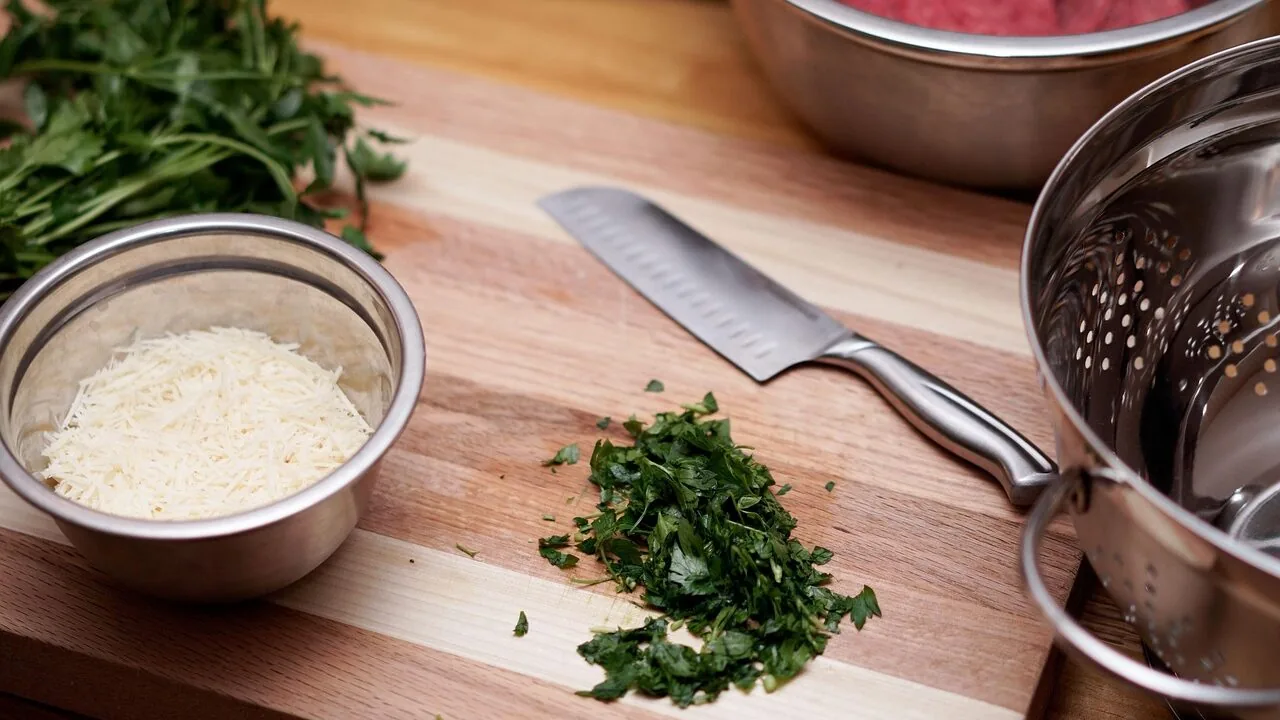
A good paring knife is one of the most-used tools in any kitchen, yet it rarely gets the attention it deserves.
Whether you are peeling apples, deveining shrimp, segmenting citrus, or trimming a chicken breast, a well-designed paring knife handles close, precise work that a full-size chef’s knife simply cannot do comfortably.
The wrong knife makes these tasks tedious and even risky; the right one feels like a natural extension of your hand.
To help you find the right blade without the guesswork, the ProductFind team researched eight popular paring knives across a wide price range, drawing on published specifications, expert review consensus, and verified buyer feedback.
We assessed blade steel, edge geometry, handle ergonomics, durability, and overall value before assigning each model a PF Score on our 0 to 10 scale.
The picks below represent the strongest performers from brands including Victorinox, Wüsthof, Henckels, Mercer Culinary, Rada, linoroso, and Arcos. Scroll down to see our top-ranked recommendations.
| Award | Product | PF Score About PF ScoreThe PF Score is our own rating from 0 to 10, based on performance, design and build, ease of use, and value. It reflects independent research and is never influenced by manufacturers, retailers, or affiliate commissions. Learn more › | Price | |
|---|---|---|---|---|
| Best Overall |
 Victorinox Swiss Classic 3.25-Inch Paring Knife Set
|
9.1/10 | Buy | |
| Editor's Pick |
 Wüsthof Classic IKON 3.5" Paring Knife
|
8.4/10 | Buy | |
| Best Value |
 Wüsthof Gourmet 3-Inch Spear Point Paring Knife
|
8.1/10 | Buy | |
| Top Rated |
 Henckels Forged Accent 2-Piece Paring Knife Set
|
7.3/10 | Buy | |
 Mercer Culinary Genesis 3.5-Inch Paring Knife
|
7.2/10 | Buy | ||
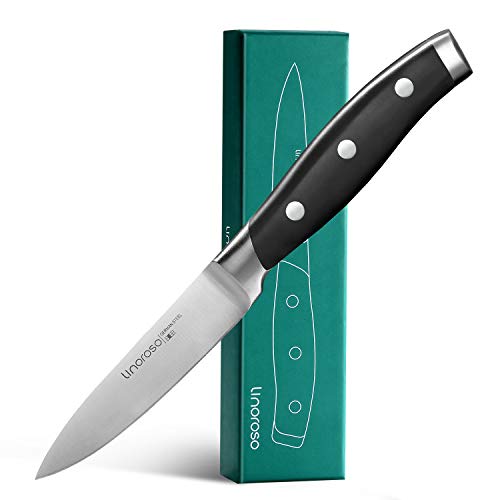 Linoroso 3.5-Inch Paring Knife German Stainless Steel
|
6.8/10 | Buy | ||
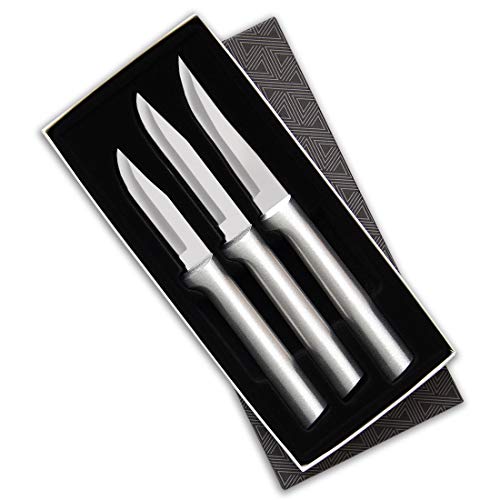 Rada Cutlery 3-Piece Paring Knife Set
|
6.5/10 | Buy | ||
 Arcos Nova 4-Inch Paring Knife Set, 3-Piece
|
6.3/10 | Buy |
Victorinox Swiss Classic 3.25-Inch Paring Knife Set
A two-piece paring knife set from Victorinox featuring Swiss-made stainless steel blades in a compact 3.25-inch size. The ergonomic textured handle provides non-slip grip for precision cutting tasks, backed by a lifetime warranty against defects.
Pros
- Lightweight Swiss stainless steel construction designed for precision cutting
- Textured handle grip maintains control even with wet hands
- Backed by lifetime warranty with money-back guarantee
- Two knives provide flexibility for different paring tasks
Cons
- No customer reviews available to verify real-world performance claims
- Small 3.25-inch blade size limits use to detailed prep work only
- Straight edge design less versatile than serrated alternatives
Wüsthof Classic IKON 3.5" Paring Knife
A premium paring knife that combines Wüsthof's best design elements, featuring a riveted handle with rear bolster for balance and control during detailed cutting tasks. Hand wash required, but delivers the versatility and durability expected from this German knife maker.
Pros
- Rear bolster provides counterbalance for improved control
- Contoured handle design adds comfort during extended use
- Versatile size handles most small cutting and peeling tasks
- Combines best features from multiple Wüsthof knife lines
Cons
- Hand wash only, no dishwasher compatibility
- No verified buyer reviews available to assess real-world performance
- Premium positioning may not justify cost for casual home cooks
Wüsthof Gourmet 3-Inch Spear Point Paring Knife
German-made paring knife from a 200-year-old cutlery house, featuring a high-carbon stainless steel blade and durable polypropylene handle. Built for precise peeling and close-hand kitchen tasks with lasting edge retention.
Pros
- Proven German craftsmanship backed by over 200 years of cutlery tradition
- Sharp blade from laser-cut stamping technology requires minimal maintenance
- Heat and impact-resistant handle holds up to frequent kitchen use
- Corrosion-resistant construction maintains performance over time
Cons
- Hand wash only requirement limits convenience compared to dishwasher-safe alternatives
- No customer reviews available to assess real-world durability and blade longevity
- Spear point shape is specialized, less versatile than standard paring knife designs
Henckels Forged Accent 2-Piece Paring Knife Set
A German-engineered two-piece paring knife set featuring a 3-inch and 4-inch blade for detailed prep work. Built with forged bolster construction and satin-finished steel designed to hold an edge longer with minimal maintenance.
Pros
- Includes two sizes (3-inch and 4-inch) for versatile kitchen tasks
- Forged construction provides balanced weight and seamless blade-to-handle transition
- Stain and rust-resistant blades are dishwasher safe for easy cleanup
- Precision-honed edge designed for detailed work with fruits, vegetables, and meats
Cons
- No verified buyer reviews available to assess real-world durability claims
- Limited to paring knife sizes, not a full knife set for broader kitchen needs
- Product weight listed as 0.04 pounds seems potentially inaccurate for two forged knives
Mercer Culinary Genesis 3.5-Inch Paring Knife
A precision-forged paring knife built for detailed kitchen work like garnishing, deveining, and trimming. The high-carbon German steel holds a sharp edge, while the ergonomic handle delivers comfort and grip stability even when wet.
Pros
- Precision-forged high-carbon German steel resists dulling longer than standard blades
- Ergonomic handle design maintains grip control even with wet hands
- Compact blade size excels at detailed work like deveining shrimp and trimming vegetables
- Built for both professional kitchens and home cooks
Cons
- Requires hand-washing and careful drying; dishwasher-unsafe limits convenience
- No verified buyer reviews available to confirm real-world performance claims
- Taper-ground edge may require professional sharpening to maintain optimal performance
Linoroso 3.5-Inch Paring Knife German Stainless Steel
A German stainless steel paring knife with full-tang construction and a hand-ground 11-12 degree edge, designed for precise fruit and vegetable prep. The ergonomic handle and premium packaging make it suitable for both daily kitchen use and gift-giving.
Pros
- Made from authentic German ThyssenKrupp steel with proven rust resistance and durability
- Hand-sharpened edge angle designed for effortless cutting through produce
- Full-tang design provides excellent balance during detailed food prep work
- Low maintenance with smooth, polished blade that resists food buildup
- Premium gift box packaging adds value for special occasions
Cons
- No verified customer reviews available to confirm real-world performance claims
- Compact 3.5-inch size limits use for larger cutting tasks
- Hand-sharpening requirement means eventual professional maintenance may be needed
Rada Cutlery 3-Piece Paring Knife Set
A three-knife gift set made from T420 high-carbon stainless steel with hollow-ground blades designed for precision work on fruits, vegetables, and poultry. Built with cast aluminum handles and manufactured in the USA, it targets home cooks seeking durable paring knives without premium pricing.
Pros
- T420 high-carbon stainless steel construction balances durability with corrosion resistance
- Hollow-ground blade design maintains sharpness over time
- Multiple blade sizes provide flexibility for different cutting tasks
- American-made with transparent sourcing
- Gift set format makes it suitable for kitchen starters
Cons
- No verified customer reviews available to assess real-world durability or edge retention
- Requires hand washing, which adds maintenance compared to dishwasher-safe alternatives
- Limited to paring knife category, not a full knife block set
Arcos Nova 4-Inch Paring Knife Set, 3-Piece
A three-piece paring knife set from Spanish heritage brand Arcos, featuring their Nitrum-treated stainless steel blades designed for precision peeling and detail work. Lightweight ergonomic handles in contrasting colors make these knives comfortable for extended use and easy to identify in the kitchen.
Pros
- Nitrum patented blade coating provides increased hardness and rust resistance
- Ergonomic design with polypropylene handles reduces slip risk and hand strain
- Dishwasher safe and resistant to chemical cleaning agents and high temperatures
- Lightweight construction at just 100 grams makes them easy to control
- Three complementary colors help distinguish knives for food safety protocols
Cons
- No customer reviews available yet to validate real-world performance claims
- 3.5-inch blade may be considered limiting compared to standard 4-inch paring knives
- Polypropylene handles may not appeal to users preferring wood or metal handles for durability
Paring Knives Buying Guide
Choosing a paring knife is more nuanced than it looks.
Blade length, steel type, handle design, and intended use all interact in ways that can make one knife feel perfect for your style and another feel awkward, even if both are objectively well made.
If you already own a quality kitchen knife set, a paring knife is often the one specialty blade worth adding separately. The guidance below walks through the criteria our researchers weighted most heavily.
Blade Length and Shape

Most paring knives fall in the 2.5 to 4 inch blade range.
Shorter blades (around 3 inches) give you tighter control for in-hand work like peeling a potato or hulling strawberries, while slightly longer blades (3.5 to 4 inches) are better suited for board work such as slicing shallots or mincing herbs.
If you do a lot of both, a 3.5 inch knife tends to be the most versatile middle ground.
Shape matters too. A pointed spear-tip blade is the most common and works well for piercing and scoring. A bird’s beak (tournée) tip curves inward for shaping round vegetables.
A sheep’s foot tip is blunter and safer for young cooks or prep work done primarily on a cutting board. Most home cooks will be happiest with a classic pointed tip, which every knife in our list features.
Steel Type and Edge Retention
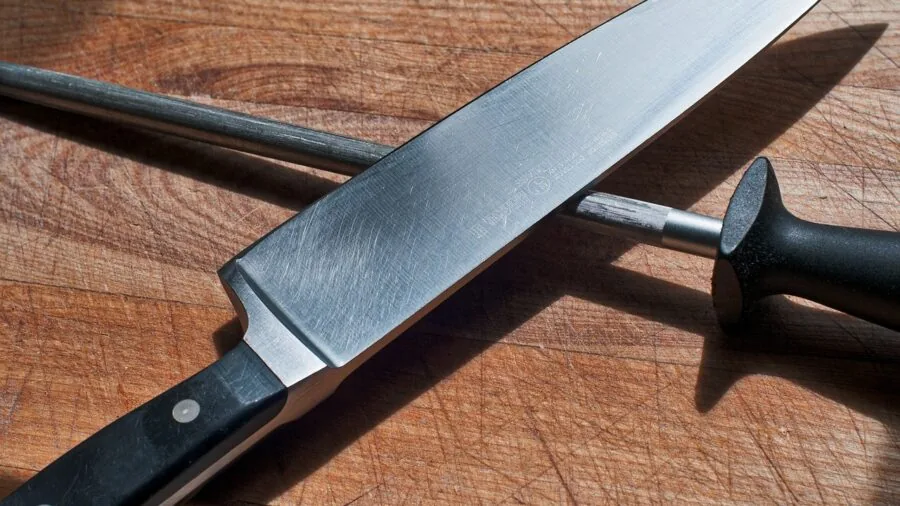
The majority of quality paring knives use high-carbon stainless steel, which balances sharpness, stain resistance, and ease of resharpening.
German steels (used by Wüsthof, Henckels, and Mercer Culinary) are typically hardened to around 56 to 58 HRC on the Rockwell scale, making them resilient and easy to sharpen at home.
Japanese steels tend to be harder and hold a finer edge but can be more brittle.
For a paring knife specifically, edge resilience matters more than ultimate hardness because these blades routinely contact hard surfaces like seeds, bones, and citrus rinds. A knife that chips easily will frustrate you quickly.
Look for blades described as full tang or forged if longevity under regular use is a priority. Stamped blades are lighter and can still perform well; many professional cooks prefer them for in-hand work precisely because of the reduced fatigue.
Handle Ergonomics and Grip Security
Because paring knives are often used away from a cutting board, grip security is arguably more critical here than with any other kitchen knife. A handle that becomes slippery when wet is a genuine safety hazard.
Look for textured or contoured handles made from materials like polypropylene, fibrox (thermoplastic elastomer), or pakkawood, all of which maintain grip even with wet hands.
Handle size and shape are personal, but some general principles apply. A handle that is too thick can cause hand fatigue during prolonged peeling sessions. One that is too thin may not give enough purchase for twisting motions.
Reading verified buyer feedback from people who share your hand size is one of the most reliable ways to gauge fit before buying.
Weight and Balance

A paring knife should feel light and nimble. Unlike a santoku knife or chef’s knife that benefits from some mass behind a rocking chop, a paring knife gains almost nothing from extra weight.
Most well-regarded paring knives weigh between 2 and 4 ounces. Heavier forged knives (with a full bolster and thick spine) can feel premium but sometimes work against you for extended in-hand peeling.
Balance point is less critical at this size than with an 8-inch blade, but you should still feel that the knife does not nose-dive forward or feel too handle-heavy.
A neutral balance just in front of the bolster is generally ideal. If possible, check verified reviewer comments about how the knife feels after five or ten minutes of continuous use.
Sets vs. Single Knives
Several picks in this article come as two- or three-piece sets rather than single blades.
A set can offer excellent value if it includes complementary sizes (for example, a 3-inch and a 4-inch), different tip styles, or color-coded handles for allergen management in busy kitchens.
The trade-off is that sets sometimes bundle one strong performer with one mediocre blade just to hit a price point.
When evaluating a set, focus on whether each knife in the bundle is genuinely useful rather than whether the price per knife looks impressive. Our research factored in the per-knife quality of every set in this roundup, not just the aggregate price-to-count ratio.
Care, Maintenance, and Longevity

Even the best paring knife will dull quickly with improper care. Always hand-wash paring knives rather than running them through a dishwasher; the high heat and harsh detergents degrade handles and accelerate edge corrosion.
Store them in a knife block, on a magnetic strip, or in blade guards rather than loose in a drawer where they knock against other tools.
Sharpen with a whetstone or a pull-through sharpener designed for the blade’s angle (German knives typically use a 15 to 20 degree edge; some Japanese-style knives use 12 to 15 degrees). Hone regularly on a honing rod to realign the edge between sharpenings.
A well-maintained budget paring knife will outlast an expensive one that is thrown in the dishwasher every night.
Why You Should Trust Us
ProductFind is an independent review publication. We do not sell products, and we have no relationship with any retailer or manufacturer that influences our rankings.
Every product in this roundup was scored using our proprietary PF Score system, which rates items on a consistent 0 to 10 scale across a standardized set of criteria relevant to the category.
For paring knives, those criteria include blade steel and construction, edge geometry and sharpness retention, handle ergonomics and safety, weight and balance, value at price, and long-term durability based on published data.
We do not conduct our own product trials; our evaluations are grounded in research, published data, expert review consensus, and verified buyer feedback.
Our researchers cross-reference manufacturer specifications against independent expert assessments and large pools of verified purchase reviews to identify patterns, outliers, and recurring issues that single-source reviews often miss.
This methodology allows us to assess performance claims with a level of rigor that goes beyond a single reviewer’s opinion.
ProductFind may earn an affiliate commission when you purchase through links in this article. That commercial relationship has no bearing on scores, rankings, or which products appear in our roundups.
Our editorial decisions are made independently of advertising and affiliate considerations. We flag potential conflicts transparently so you can evaluate our recommendations with full context.
Final Thoughts
After thorough research across eight models, the paring knives in this roundup span a wide range of budgets and use cases, from everyday budget picks to professional-grade blades that will last a decade with proper care.
Here is how the top performers break down by category:
- Best Overall: Victorinox Swiss Classic 2 Piece Paring Knife Set. This set earned the highest PF Score in our roundup for good reason. It combines a razor-keen edge, featherlight weight ideal for in-hand work, and a comfortable handle at a budget-friendly price that professional cooks and home users consistently praise.
- Best Premium Pick: Wüsthof Classic IKON 3.5 Inch Paring Knife. For cooks who want a forged German blade with a refined bolster, full tang construction, and a beautifully balanced feel on a cutting board, this Wüsthof earns the second-highest PF Score in our group and represents a worthwhile long-term investment.
- Best Mid-Range Option: Wüsthof Gourmet 3 Inch Spear Point Paring Knife. A more accessible entry into the Wüsthof lineup, this stamped blade delivers reliable sharpness and brand quality at a fraction of the flagship price, making it an excellent mid-range choice.
- Best for Culinary Students: Mercer Culinary Genesis 3.5-Inch Paring Knife. Widely recommended in culinary school settings for its durable German steel, ergonomic handle, and consistent edge out of the box, this knife gives student cooks a serious blade without the premium cost.
- Best Value Set: Arcos Nova Paring Knife Set of 3 Pieces. If you need multiple knives for color-coded prep work or simply want spares, this colorful three-piece set delivers acceptable performance across a full range of produce tasks at a very accessible price per knife.
No matter your budget, a sharp paring knife will make everyday kitchen tasks noticeably faster and safer. Pair your new blade with a quality knife set if you want to complete your kitchen cutlery lineup at once.
Frequently Asked Questions
What size paring knife is best for most home cooks?
A 3 to 3.5 inch blade is the sweet spot for most home kitchens. It is short enough for in-hand peeling and precise trimming but long enough to handle board tasks like mincing garlic or segmenting citrus.
Most of the top-rated picks in this roundup fall in this range, and verified buyers across skill levels consistently praise the 3.5 inch format for its versatility.
Is a forged paring knife worth the extra cost?
Forged knives are made from a single piece of steel and typically include a full tang and bolster, which contributes to balance and longevity.
For a paring knife specifically, the advantages of forging are somewhat less pronounced than they are for a heavy-use chef’s knife.
High-quality stamped options (like the top-scoring Victorinox) perform exceptionally well and are preferred by many professional cooks for in-hand work because they are lighter.
If you want the premium feel and expect the knife to last decades, a forged option like the Wüsthof Classic IKON is a strong choice.
Can I put my paring knife in the dishwasher?
No, and this applies to virtually all quality kitchen knives regardless of price. Dishwasher heat, harsh detergents, and the jostling of other utensils dull the edge rapidly and can degrade handle materials over time.
Hand-washing with warm soapy water and drying immediately is the single most effective way to extend the life of your blade. Even knives labeled dishwasher-safe will last significantly longer with hand-washing.
How often should I sharpen a paring knife?
For average home use (a few times per week), most paring knives benefit from sharpening two to four times per year, with regular honing in between. Honing realigns the edge without removing metal and should be done every few uses.
If you notice the knife tearing rather than slicing cleanly through tomato skin, that is a reliable sign the edge needs attention. A simple pull-through sharpener or a whetstone both work well for paring knives.
Do I need a paring knife if I already have a chef’s knife?
Yes, for most cooks. A chef’s knife is versatile for board work but is unwieldy for tasks that require holding the ingredient in one hand and the knife in the other.
Peeling apples, trimming strawberry tops, deveining shrimp, or scoring a pear for poaching all become much easier and safer with a short, nimble paring knife. It rounds out your toolkit in a way that a santoku or bread knife cannot.
Think of a chef’s knife and a paring knife as complementary tools rather than competing ones.
What is the difference between a paring knife and a utility knife?
A utility knife typically measures 4 to 7 inches, filling the gap between a paring knife and a full-size chef’s knife. It is well-suited for slicing sandwiches, cutting medium-sized vegetables, or trimming meat.
A paring knife at 3 to 3.5 inches is purpose-built for the smallest, most precise tasks, particularly those done in-hand.
If you frequently cook proteins or prep a lot of medium-sized ingredients, a utility knife is a smart complement to a paring knife rather than a replacement for it.
About the author
Tammy is a reviewer and writer for ProductFind who specializes in Kitchen Tools & Gadgets. Tammy evaluates products through independent research: specifications, expert review consensus, and verified buyer feedback, and rates each one on the PF Score. Tammy focuses on helping readers pick the right kitchen tools & gadget for their needs and budget.