The 8 Best Knife Sharpeners
Sharp knives are safer and more effective, but choosing the right sharpener matters. This guide covers every style, from whetstones to electric units, to match your blades and skill level.
 By Tammy Stevens
Updated July 23, 2026
By Tammy Stevens
Updated July 23, 2026
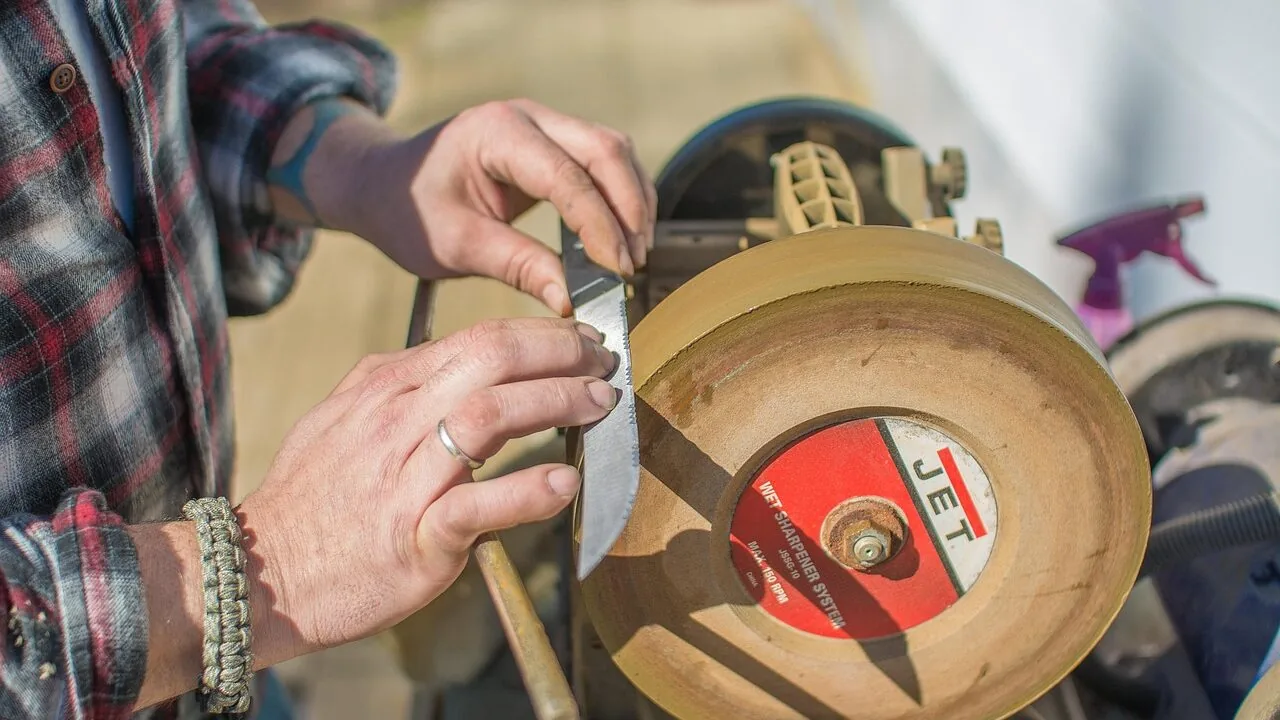
A sharp knife is one of the most underrated tools in any kitchen. Whether you’re breaking down a whole chicken, slicing tomatoes paper-thin, or mincing herbs for a sauce, blade sharpness directly affects both your efficiency and your safety.
A dull knife requires more force, which means less control and a higher chance of slipping.
Yet most home cooks go months or even years without properly sharpening their blades, simply because the right sharpener has always felt intimidating or hard to choose.
If you’re also thinking about upgrading your cutting tools, pairing a good sharpener with quality chef knives makes a noticeable difference in day-to-day cooking.
This guide cuts through the noise. Our team at ProductFind analyzed specifications, drew on expert review consensus across the sharpener category, and weighed verified buyer feedback to identify the strongest options available right now across every style and budget.
From electric pull-through units to precision angle-guided systems and whetstones built for enthusiasts, the picks below represent the best knife sharpeners for most people in 2026. Scroll down to compare our top-ranked picks side by side.
| Award | Product | PF Score About PF ScoreThe PF Score is our own rating from 0 to 10, based on performance, design and build, ease of use, and value. It reflects independent research and is never influenced by manufacturers, retailers, or affiliate commissions. Learn more › | Price | |
|---|---|---|---|---|
| Best Overall |
 Work Sharp Precision Adjust Elite 15-30° Knife Sharpener
|
8.8/10 | Buy | |
| Editor's Pick |
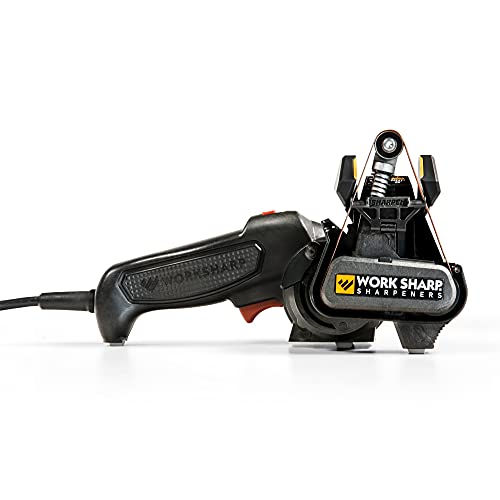 Work Sharp MK2 2-Speed Electric Knife Sharpener
|
8.3/10 | Buy | |
| Best Value |
 Krcqap 3-Stage Electric Knife Sharpener
|
7.4/10 | Buy | |
| Top Rated |
 Sharp Pebble 1000/6000 Grit Whetstone with Angle Guide
|
7.2/10 | Buy | |
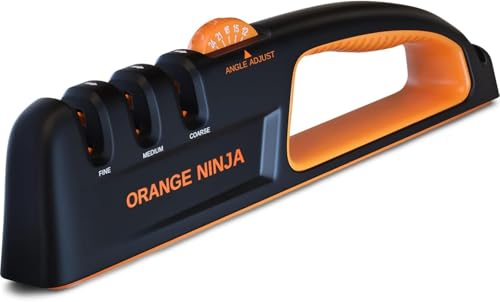 Sharp Pebble 5-Angle Precision Knife Sharpener
|
7.1/10 | Buy | ||
 RazorSharp Adjustable Angle Knife Sharpener
|
6.5/10 | Buy | ||
 AIERLIAN Rolling Knife Sharpener with Diamond & Ceramic
|
6.3/10 | Buy | ||
 Longzon 4-Stage Knife Sharpener with Cut-Resistant Glove
|
5.8/10 | Buy |
Work Sharp Precision Adjust Elite 15-30° Knife Sharpener
A guided fixed-angle sharpening system that handles kitchen, hunting, and pocket knives plus serrated blades with adjustable angles from 15 to 30 degrees. The complete kit includes diamond plates, ceramic rods, and a tri-brasive attachment, making it accessible for beginners while offering precision for experienced users.
Pros
- Versatile angle range covers most knife types without needing separate tools
- Foolproof guided system makes it accessible for beginners and consistent for experts
- Complete accessory kit eliminates need for additional purchases
- Handles both straight and serrated blades with dedicated attachments
- Durable industrial-quality construction for long-term use
Cons
- No verified buyer reviews available to confirm real-world performance and durability claims
- Requires learning proper clamping and angle-setting procedure despite guided design
- Physical footprint and weight may require dedicated storage space
Work Sharp MK2 2-Speed Electric Knife Sharpener
A versatile electric sharpener with dual-speed motor and flexible belts that handle kitchen knives, serrated blades, scissors, and outdoor tools like axes and lawn mower blades. Best suited for users who maintain a wide variety of edge tools and want consistent results without manual technique.
Pros
- Flexible belt design adapts to curved and serrated edges without special attachments
- Two-speed control lets you match power to the task, from delicate kitchen blades to thick axes
- Full-length edge guide reduces user error and produces repeatable results
- Covers an unusually broad range of tools in one device
- Strong warranty and domestic quality oversight
Cons
- No customer reviews available yet to validate real-world performance claims
- May be overspecced for users who only sharpen standard kitchen knives
- Requires belt replacement over time, adding ongoing maintenance costs
Krcqap 3-Stage Electric Knife Sharpener
A compact electric sharpener designed specifically for kitchen knives, featuring a 3-stage diamond grinding system and fixed 15-degree angle guide for consistent results. Best suited for home cooks seeking quick blade maintenance without manual effort.
Pros
- 3-stage progression system enables both repair of dull blades and fine edge maintenance
- Fixed 15-degree angle guide eliminates guesswork and prevents over-grinding
- Compact and lightweight at 0.23 pounds, easy to store and use
Cons
- No customer reviews available to verify real-world performance or durability claims
- Limited to kitchen knives only, not suitable for serrated or specialty blades
- Fixed 15-degree angle may not suit all knife types or user preferences
Sharp Pebble 1000/6000 Grit Whetstone with Angle Guide
A dual-grit whetstone system designed for beginners, featuring an angle guide that removes the guesswork from knife sharpening. The kit includes everything needed for home use: bamboo base, water-based sharpening, and instructional support, making professional-level results accessible without prior experience.
Pros
- Angle guide eliminates steep learning curve for whetstone beginners
- 1000/6000 grit combination handles both repair and finishing without additional stones
- Complete bundle includes all essentials with no additional purchases needed
- Water-based system eliminates mess and ongoing oil costs
- Designed for durability and consistent flatness across multiple use cycles
Cons
- No verified buyer reviews available to validate real-world performance claims
- Angle guide may limit flexibility for advanced users seeking different sharpening angles
- Small size (7.25 x 2.25 inches) constrains blade length during sharpening
Sharp Pebble 5-Angle Precision Knife Sharpener
A handheld knife sharpener offering five adjustable angles (12° to 24°) for straight-edge blades, designed for kitchen, pocket, and hunting knives. The ergonomic design and three-stage sharpening system make it accessible for users seeking quick blade maintenance without extensive technique.
Pros
- Multiple angle settings accommodate various knife types and preferences
- Three-stage sharpening process addresses blade restoration and finishing
- Lightweight and portable design suitable for kitchen and outdoor use
- Straightforward operation requiring minimal technique or skill
Cons
- Limited to straight-edge blades only; not compatible with serrated knives or scissors
- No verified buyer reviews available to assess real-world performance and durability claims
- Manual sharpening requires consistent technique for optimal results
RazorSharp Adjustable Angle Knife Sharpener
A guided sharpening system with adjustable 14-24 degree angles and diamond-coated ceramic stones designed for home cooks and professionals. The non-slip rubber grip provides stability, though no verified buyer feedback is available to confirm real-world performance.
Pros
- Adjustable sharpening angle accommodates kitchen, chef's, and professional knives
- Diamond-coated stones designed for extended lifespan
- Stable, ergonomic design with non-slip rubber grip
- Lightweight and compact for home use
Cons
- No verified buyer reviews available to assess real-world durability or effectiveness
- Limited color options may not match all kitchen aesthetics
- No information on ease of angle adjustment or learning curve for beginners
AIERLIAN Rolling Knife Sharpener with Diamond & Ceramic
This rolling sharpener combines #400 diamond and #3000 ceramic discs to restore kitchen knives to factory sharpness in minutes. It offers dual angle support (15 and 20 degrees) with magnetic guides and includes a leather strop for finishing, making it accessible for both casual cooks and serious chefs.
Pros
- Two-stage sharpening system (diamond abrasive then ceramic polish) delivers sharp results quickly
- Dual angle options (15 and 20 degrees) accommodate different sharpening needs and knife types
- Strong magnetic base keeps knives stable during sharpening without slipping
- Includes leather strop for refining edges and removing fine burrs after sharpening
- Premium wood build quality with thoughtful gift packaging
Cons
- No verified buyer reviews yet to confirm real-world performance and durability
- Cannot sharpen serrated knives or scissors despite general steel compatibility claims
- Magnetic system may not work well with all knife blade types or materials beyond standard steel
Longzon 4-Stage Knife Sharpener with Cut-Resistant Glove
A four-stage manual sharpener that handles knives, scissors, and pocket knives with a non-slip base and included protective glove. Designed for quick home kitchen use without requiring special skills.
Pros
- Includes free cut-resistant glove for added safety
- Non-slip base provides stability during sharpening
- Handles multiple tool types (kitchen knives, scissors, pocket knives) in one device
- Compact, space-saving footprint suitable for most kitchens
- Four-stage progression allows both repair of dull blades and precision finishing
Cons
- No verified customer reviews available to assess real-world performance or durability
- Manual operation requires some physical effort and technique consistency
- Limited information on how well it performs on specialty or high-end knife brands
Knife Sharpeners Buying Guide
Choosing a knife sharpener is not just about picking the most expensive model or the one with the most stages.
The right sharpener depends on the types of knives you own, how often you cook, how much control you want over the process, and how much time you’re willing to invest.
The sections below walk through the most important factors to evaluate before buying, so you can match the right tool to your actual kitchen habits.
If you’re also building out your knife collection, our roundup of kitchen knife sets covers which blade packages offer the best long-term value.
Sharpener Type: Electric, Manual, or Whetstone
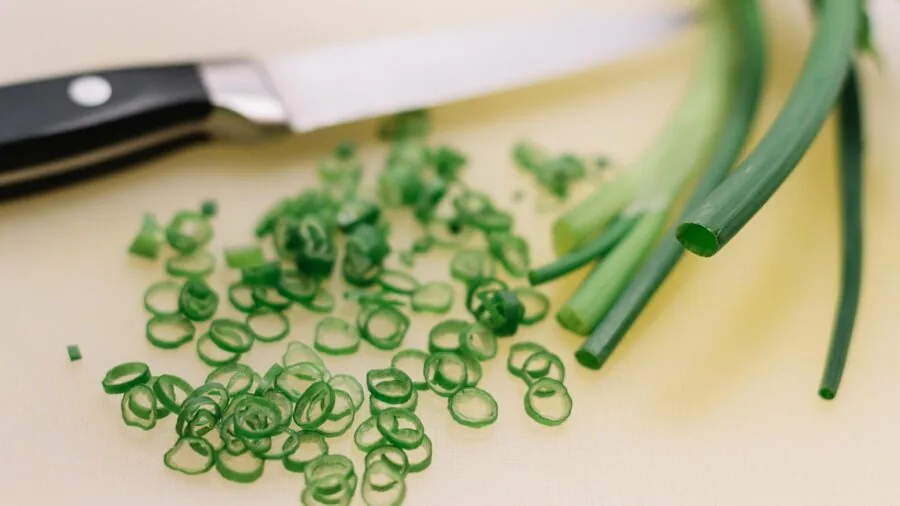
The most fundamental decision is sharpener type. Electric sharpeners are the fastest and most beginner-friendly option. They use motorized abrasive wheels or belts to remove metal and set a consistent edge angle automatically.
Pull-through models are the most common form and require almost no learning curve, making them ideal for busy home cooks who want a sharp knife without any technique.
The Work Sharp MK2 is a strong example of an electric model that handles kitchen knives, scissors, and garden tools with a two-speed system.
Manual sharpeners, including angle-guided rod systems and pull-through manual units, give you more feedback and control without requiring electricity.
Fixed-angle guided systems like the Work Sharp Precision Adjust Elite are especially popular with serious home cooks and collectors because they let you dial in a precise sharpening angle and work through multiple grit stages deliberately.
Whetstones sit at the enthusiast end of the spectrum: they require technique and practice but reward the user with the highest-quality edge possible.
The Sharp Pebble 1000/6000 Grit Whetstone is a well-regarded entry point for anyone ready to learn proper whetstone technique.
If you want a versatile option that bridges the gap, rolling sharpeners and multi-stage pull-through kits offer a middle ground. They’re more forgiving than whetstones but give slightly more control than basic electric units.
The AIERLIAN rolling sharpener with its magnetic angle guide is a good example of this category.
Sharpening Angle and Knife Compatibility
Not all knives use the same edge angle, and this matters more than most buyers realize. Western-style knives, including most German chef knives, are typically sharpened at 20 degrees per side.
Japanese knives, including most santoku knives and gyutos, are ground much finer, often at 15 degrees or less per side, and they require a sharpener that supports that narrower angle.
Using a 20-degree sharpener on a 15-degree Japanese blade will blunt the edge geometry over time rather than restore it.
Check whether your shortlisted sharpener specifies 15-degree, 20-degree, or adjustable angle settings.
The best guided systems, including the Work Sharp Precision Adjust Elite, allow you to set the angle precisely using a calibrated guide rod, so you can sharpen both Western and Japanese blades correctly with a single tool.
The AIERLIAN rolling kit includes both 15- and 20-degree magnetic angle guides, which is a practical touch at its price tier.
Basic pull-through units with fixed pre-set angles are fine for standard kitchen knives but can be limiting if your collection is diverse.
Abrasive Material and Grit Stages
The abrasive material determines how aggressively metal is removed and how refined the final edge becomes. Diamond abrasives are the hardest and fastest-cutting, making them ideal for reprofiling a badly damaged or very dull blade.
Ceramic abrasives cut more gently and are better suited for honing and polishing an edge that’s already roughly in shape. Many quality sharpeners combine both: coarse diamond stages for initial sharpening followed by ceramic stages for finishing and refining.
Grit progression matters for the final sharpness level. A single-grit sharpener can sharpen a knife, but a multi-stage system produces a cleaner, more refined edge.
For a whetstone like the Sharp Pebble 1000/6000 Grit combination stone, the 1000-grit side handles reprofiling and removing chips, while the 6000-grit side polishes the edge to a near-mirror finish.
The more stages a guided system or pull-through sharpener includes, the more control you have over the final result. Three-stage systems are a reliable standard for most home kitchens.
Ease of Use and Safety Features

A sharpener is only useful if you’ll actually pick it up regularly. Pull-through models score highest on convenience: you place the blade in the slot, pull it through a few times with light pressure, and you’re done.
There’s no angle to maintain manually, no setup required, and results are consistent across pulls. The Longzon 5-in-1 and the Sharp Pebble 3-Stage Precision Adjust are examples at opposite ends of the price range that both prioritize accessible pull-through use.
Safety features are worth scrutinizing, particularly for electric and manual pull-through models. Non-slip bases, finger guards, and blade guides that hold the knife at the correct angle reduce the risk of accidental cuts.
If you have children in the kitchen or cook in a fast-paced environment, look for models with enclosed sharpening slots that keep fingers well away from the abrasive surfaces.
The Longzon 5-in-1 includes a cut-resistant glove in the box, which is a practical inclusion that’s rare at its price point.
Versatility Beyond Kitchen Knives

Many sharpeners marketed for kitchen knives can handle a broader range of blades, and if you own pocket knives, hunting knives, scissors, or garden tools, a versatile sharpener can save you from buying multiple dedicated tools.
The Work Sharp MK2 electric sharpener stands out here: its adjustable two-speed system handles axes, pocket knives, scissors, and garden tools alongside kitchen knives, making it a single-unit solution for households with varied cutting tools.
Guided rod systems are similarly flexible. The Work Sharp Precision Adjust Elite is designed for both kitchen and pocket knives and can accommodate a wide variety of blade shapes.
If you primarily cook at home and own only standard kitchen blades, a kitchen-focused pull-through or electric unit is sufficient. But if your collection spans multiple blade types, investing in a more versatile platform pays off over time.
Price and Long-Term Value
Knife sharpeners span a wide price range, and there are genuinely good options at every tier. Budget pull-through models can refresh a moderately dull kitchen knife adequately and are a reasonable starting point for casual cooks.
Mid-range options add better abrasive quality, more grit stages, and more durable construction. Premium guided systems and high-spec electric sharpeners justify their higher price through consistency, longevity, and the ability to handle harder steels without degrading performance.
Consider how much you’ve invested in your knives when deciding how much to spend on a sharpener.
If you own quality blades, including forged knives or premium Japanese steel, the cost of a good sharpener is modest compared to what you’d spend replacing a blade damaged by an overly aggressive cheap unit.
A sharpener at the mid-range or premium tier will generally remove less metal per pass and produce a more refined, longer-lasting edge. Think of it as knife maintenance infrastructure rather than a consumable purchase.
Why You Should Trust Us
ProductFind is an independent review publication. We do not conduct our own product trials; our evaluations are grounded in research, published data, expert review consensus, and verified buyer feedback.
Every product in this guide was assessed against a consistent, category-specific set of criteria covering sharpener type, abrasive quality, angle control, ease of use, versatility, and long-term durability.
Each model receives a PF Score on a 0 to 10 scale reflecting its overall performance relative to its price tier and use case.
Our research process draws on publicly available manufacturer specifications, consensus from professional sharpening and culinary experts, and verified buyer feedback across major retail platforms.
We cross-reference multiple independent sources for every scoring category to ensure our ratings reflect real-world performance rather than marketing claims. No brand paid to be included in this guide, and no sharpener was ranked higher based on commercial considerations.
ProductFind may earn a commission when you purchase through links in this article. That affiliate relationship has no influence on our rankings, scores, or editorial selections. Our only goal is to help you find the right sharpener for your knives and your kitchen.
Final Thoughts
After thoroughly researching the field, a few clear standouts emerged across different buyer needs and budgets. Here are the top picks from this guide, each matched to the use case where it performs best:
- Best Overall: Work Sharp Precision Adjust Elite Knife Sharpener earns the highest PF Score in this group thanks to its fixed-angle guided rod system, multi-grit sharpening capability, and consistent results on both kitchen and pocket knives. It is the most complete sharpening solution for serious home cooks and knife enthusiasts.
- Best Electric Sharpener: Work Sharp MK2 Electric Knife Sharpener is the top-rated electric option here, offering adjustable two-speed operation and the broadest blade compatibility of any unit in the guide, including scissors, axes, and garden tools alongside kitchen knives.
- Best Mid-Range Electric: Krcqap 3-Stage Electric Knife Sharpener delivers reliable three-stage electric sharpening with a built-in 15-degree angle guide at a mid-range price, making it a strong pick for home cooks who want electric convenience without the premium price tag.
- Best Whetstone for Beginners: Sharp Pebble Premium Whetstone 1000/6000 Grit is the most approachable whetstone in the guide, with a dual-grit combination stone, angle guide, and non-slip bamboo base that make the learning curve manageable for first-time whetstone users.
- Best Budget Pick: Longzon 5-in-1 Knife Sharpener offers accessible four-stage pull-through sharpening with a cut-resistant glove included, representing outstanding value for casual cooks who need a quick and safe everyday sharpening solution.
Whatever your skill level or the size of your knife collection, there is a sharpener in this guide built for your situation.
A dull knife is a fixable problem, and the right tool makes maintaining a sharp edge something you’ll actually do consistently.
If you’re ready to invest more broadly in your kitchen setup, explore our coverage of kitchen knife sets to complement whichever sharpener you choose.
Frequently Asked Questions
How often should I sharpen my kitchen knives?
For most home cooks who use their knives daily, a light sharpening every two to three months is a reasonable baseline. Heavy-use professional or avid home kitchens may need monthly sharpening.
Between full sharpening sessions, a honing rod or ceramic honing stage helps realign the edge and extend the time between full sharpenings.
The frequency also depends on what you’re cutting: hard vegetables, bone, and frozen food dull a blade much faster than soft proteins and herbs.
What is the difference between sharpening and honing a knife?
Sharpening removes metal from the blade to create a new edge geometry, addressing a genuinely dull knife. Honing realigns the existing edge without removing significant material, correcting the microscopic bending of the blade’s apex that happens during normal cutting.
A honing rod used before each cooking session keeps an already-sharp knife performing at its best, but it cannot restore a truly dull blade.
Most multi-stage sharpeners include a honing or stropping stage as the final pass to refine and align the freshly sharpened edge.
Can I use an electric sharpener on Japanese knives?
It depends on the sharpener. Many standard electric pull-through models preset their angle at 20 degrees, which is too wide for most Japanese knives ground at 15 degrees or less. Using the wrong angle will gradually alter the blade’s geometry.
If you own Japanese knives, look for an electric sharpener with an adjustable or specifically 15-degree angle setting, or consider a guided rod system that gives you full angle control.
If your knife is a thin, single-bevel Japanese blade, a manual whetstone is generally the recommended approach to preserve the original grind.
Is a whetstone worth learning for home cooks?
Yes, for anyone who takes their knives seriously and is willing to invest a few hours in learning proper technique.
A whetstone gives you complete control over angle, pressure, and grit progression, allowing you to produce an edge quality that no pull-through sharpener can match.
The Sharp Pebble 1000/6000 Grit whetstone with its included angle guide is an accessible starting point that lowers the learning barrier significantly.
That said, for busy cooks who simply want a sharp knife with minimal effort, a quality electric or guided rod sharpener is a perfectly legitimate and practical choice.
Do knife sharpeners work on serrated blades?
Most standard sharpeners are designed for straight-edge blades and will not work correctly on serrated knives. A few multi-stage models include a narrow tapered rod or a dedicated serrated slot, but results vary.
Serrated knives typically need a specialized tapered ceramic rod or a diamond-coated rod that can be worked into each individual serration.
If you own serrated bread knives or steak knives you want to maintain, check that your chosen sharpener explicitly lists serrated blade compatibility before buying.
What angle should I sharpen my kitchen knives at?
The standard recommendation for Western-style knives is 15 to 20 degrees per side. German and European knives are typically sharpened at 20 degrees per side, while Japanese knives perform best at 15 degrees or less per side.
If you’re unsure, check the manufacturer’s documentation for your specific knives.
Many modern guided sharpeners like the Work Sharp Precision Adjust Elite and the AIERLIAN rolling kit include both 15- and 20-degree settings so you can sharpen different knives correctly with the same tool.
Maintaining a consistent angle throughout the sharpening process is more important than picking any specific number, so a guided system is particularly useful for beginners.
About the author
Tammy is a reviewer and writer for ProductFind who specializes in Kitchen Tools & Gadgets. Tammy evaluates products through independent research: specifications, expert review consensus, and verified buyer feedback, and rates each one on the PF Score. Tammy focuses on helping readers pick the right kitchen tools & gadget for their needs and budget.