The 9 Best 65 Inch TVs
OLED contrast or QLED brightness? Smart platform or gaming features? Choosing a 65-inch TV involves real trade-offs. Here are the models that consistently deliver across picture quality, features, and value.
 By Zoey Hoffman
Updated July 23, 2026
By Zoey Hoffman
Updated July 23, 2026
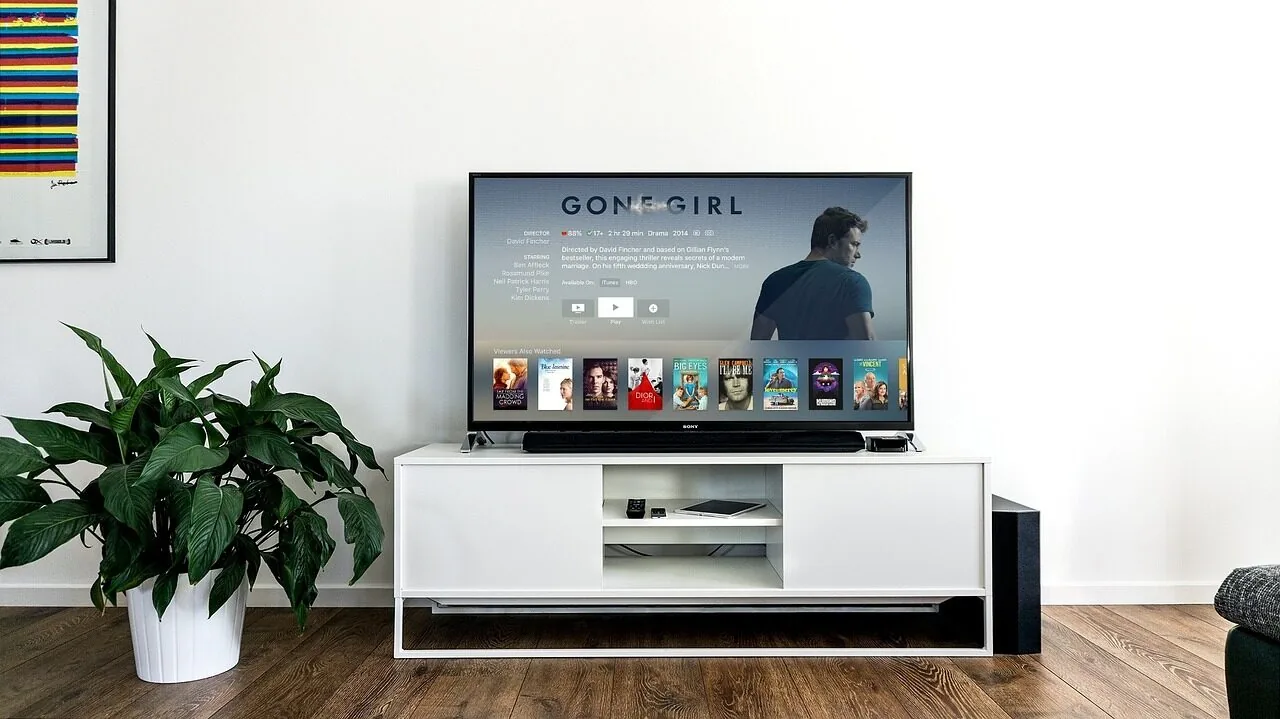
Sixty-five inches has become the de facto standard for living room TVs, and for good reason.
At that size, a screen is immersive enough to anchor a dedicated viewing space yet compact enough to fit comfortably in most rooms without demanding a complete furniture rearrangement.
Whether you are drawn to the inky blacks of OLED panels, the punchy brightness of QLED displays, or the straightforward value of a well-tuned LED set, the 65-inch category covers every budget and viewing style imaginable.
The challenge is not finding options but narrowing down a crowded field of models that all promise reference-grade picture quality and smart-TV convenience.
This guide cuts through the marketing noise with a research-driven approach: we analyzed published specifications, drew on expert review consensus from calibrated professional reviewers, and factored in verified buyer feedback to surface the models that consistently deliver in real-world use.
The result is a shortlist spanning premium OLED flagships, capable mid-range QLED alternatives, and a no-frills budget option for shoppers who simply need a large screen without the luxury price tag.
Read on for our full breakdown, or scroll directly to the ranked picks below.
| Award | Product | PF Score About PF ScoreThe PF Score is our own rating from 0 to 10, based on performance, design and build, ease of use, and value. It reflects independent research and is never influenced by manufacturers, retailers, or affiliate commissions. Learn more › | Price | |
|---|---|---|---|---|
| Best Overall |
 Samsung 65S85H 65-Inch OLED Smart TV
|
8.9/10 | Buy | |
| Editor's Pick |
 LG OLED65C5PUA 65-Inch OLED evo AI 4K TV
|
8.6/10 | Buy | |
| Best Value |
 Samsung 65-Inch S90F OLED 4K 144Hz Smart TV
|
8.6/10 | Buy | |
| Top Rated |
 Samsung QN65S90FAFXZA 65-Inch OLED 4K Smart TV
|
8.5/10 | Buy | |
 Hisense 65U6SF Pro 144Hz Mini-LED QLED TV
|
7.4/10 | Buy | ||
 TCL 65T7 65-Inch 4K QLED 144Hz Google TV
|
7.2/10 | Buy | ||
 LG OLED65C1PUB 65-Inch 4K OLED Smart TV
|
7.8/10 | Buy | ||
 Hisense 65E6QF 65-Inch Hi-QLED Fire TV
|
5.2/10 | Buy | ||
 Insignia 65-inch F50 4K Fire TV
|
4.2/10 | Buy |
Samsung 65S85H 65-Inch OLED Smart TV
Samsung's 2026 flagship OLED delivers AI-enhanced picture quality through its NQ4 Gen2 processor, which upscales content to 4K and optimizes brightness in real time. Strong for cinematic viewing and gaming with G-SYNC/FreeSync support, though the lack of verified buyer feedback makes real-world performance assessment limited.
Pros
- OLED panel provides true blacks and excellent contrast typical of the technology
- NQ4 AI Gen2 processor handles real-time scene analysis and upscaling across different content types
- Comprehensive gaming support with 120Hz refresh rate and variable refresh rate options
- Pantone validation offers credibility for color-critical viewers and content creators
- Integrated AI sound processing alongside picture enhancement for cohesive experience
Cons
- No verified buyer reviews available to confirm real-world performance and reliability claims
- Premium pricing typical of high-end OLED models may not suit budget-conscious buyers
- AI upscaling quality depends on source material and processor performance, which lacks independent verification
LG OLED65C5PUA 65-Inch OLED evo AI 4K TV
LG's flagship 2025 OLED delivers exceptional picture quality with self-lit pixels for perfect blacks, AI upscaling for all content types, and comprehensive gaming features including 144Hz refresh rate. Best suited for cinephiles and gamers willing to invest in premium display technology.
Pros
- OLED technology with 12 years of refinement delivers superior contrast and black levels other TV types cannot match
- AI upscaling enhances lower-resolution content across sports, movies, and streaming automatically
- Comprehensive gaming suite with 144Hz refresh rate, variable refresh rate support, and Game Dashboard for console and cloud gaming
- Bright Room Ready certification confirms strong performance even with significant ambient lighting
- Full suite of premium audio and video formats including Dolby Vision, Dolby Atmos, and HDR10
Cons
- No verified buyer reviews available yet to assess real-world reliability or long-term performance
- OLED displays traditionally carry premium pricing compared to LED alternatives
- Burn-in risk remains a consideration for OLED technology despite manufacturer mitigations
Samsung 65-Inch S90F OLED 4K 144Hz Smart TV
Samsung's flagship OLED TV features the NQ4 AI Gen3 processor with 128 neural networks for upscaling content to 4K, adaptive brightness per pixel, and 144Hz gaming support. Best for viewers who want advanced AI processing and smooth motion for sports and competitive gaming.
Pros
- Powerful AI upscaling extends the value of non-4K content across streaming services
- High refresh rate gaming support (4K 144Hz) with VRR delivers competitive advantage for fast-paced titles
- Adaptive per-pixel brightness analysis preserves detail in dark and bright scenes simultaneously
- AI motion smoothing specifically benefits sports viewers by minimizing action blur
Cons
- Premium pricing typical of high-end OLED TVs limits accessibility for budget-conscious buyers
- No user reviews yet available to validate real-world performance claims in independent testing
- 49.6-pound weight and 56.9-inch width require careful installation planning in smaller spaces
Samsung QN65S90FAFXZA 65-Inch OLED 4K Smart TV
Samsung's S90F is a premium OLED TV featuring the NQ4 AI Gen3 processor for real-time 4K upscaling and 144Hz gaming performance with G-SYNC and FreeSync support. The bundle adds extended protection and cables, making it a complete package for cinephiles and competitive gamers.
Pros
- Exceptional contrast and color accuracy from OLED panel with HDR+ brightness enhancement
- Advanced gaming features eliminate screen tearing and deliver responsive gameplay at 144Hz
- AI-driven picture and sound optimization adapts to content type automatically
- Extended protection plan included beyond manufacturer warranty
- Complete bundle with cables and accessories reduces separate purchases
Cons
- No verified user reviews available yet to validate real-world performance claims
- Premium pricing tier limits accessibility for budget-conscious buyers
- Extended protection plan value depends on regional repair costs and coverage terms
Hisense 65U6SF Pro 144Hz Mini-LED QLED TV
Hisense's U6 Pro delivers gaming-focused performance with native 144Hz refresh, Mini-LED contrast, and Dolby Vision IQ in a 65-inch package. Best suited for gamers and sports enthusiasts who prioritize motion clarity and bright-room viewing.
Pros
- Native 144Hz refresh keeps fast-moving action sharp and blur-free
- Anti-reflection coating minimizes glare in bright lighting conditions
- Mini-LED with Hi-QLED technology delivers excellent contrast and color accuracy
- Built-in subwoofer eliminates need for separate audio equipment
- Comprehensive HDR support (Dolby Vision IQ, HDR10+, HDR10)
Cons
- No user reviews available yet to verify real-world performance claims
- Premium positioning may not offer proportional value versus standard 120Hz models for non-gaming use
- Slim unibody design provides minimal information on upgrade/repairability
TCL 65T7 65-Inch 4K QLED 144Hz Google TV
TCL's 65T7 combines QLED color performance with a 144Hz refresh rate designed for gaming and sports, backed by Dolby Atmos audio and multiple HDR formats. This mid-range model targets viewers seeking smooth motion handling and vibrant picture without premium pricing.
Pros
- 144Hz refresh rate excels for sports, gaming, and action-heavy content with smooth motion
- QLED delivers rich colors and high contrast across a wide color gamut
- Comprehensive HDR support covers most modern streaming and gaming formats
- Bezel-less design with adjustable feet provides flexible placement options
- Multi-platform voice control integration offers convenience across ecosystems
Cons
- No verified user reviews available to assess real-world performance and reliability
- 144Hz gaming focus may not justify the cost for users primarily watching standard streaming content
- Large 65-inch size requires substantial wall space or TV stand
LG OLED65C1PUB 65-Inch 4K OLED Smart TV
LG's flagship C1 Series delivers exceptional picture quality with 8 million self-lit OLED pixels for perfect blacks and vibrant colors, plus a9 Gen 4 AI processing for automatic optimization. Built-in streaming apps, Filmmaker Mode, and gaming-ready features like NVIDIA G-SYNC make it versatile for movies, content, and competitive play.
Pros
- Superior contrast and color accuracy with independent OLED pixel control
- Strong gaming performance with G-SYNC, FreeSync, and 120Hz support via HDMI 2.1
- Comprehensive streaming apps built-in for immediate content access
- Cinema-grade picture processing with Filmmaker Mode and Dolby technologies
- VESA 300x300 mount compatible for flexible installation
Cons
- TV stand sold separately, adding to total cost
- Large 65-inch format (61 pounds) requires significant wall or furniture space
- No user reviews available yet to validate long-term reliability and real-world performance
Hisense 65E6QF 65-Inch Hi-QLED Fire TV
This 65-inch Hisense brings cinema-quality visuals through Hi-QLED color, Dolby Vision, and Dolby Atmos sound to your living room. Built-in Fire TV with Alexa voice control and AI upscaling make it a solid choice for streaming and sports enthusiasts who want premium features at a reasonable price point.
Pros
- Hi-QLED color technology delivers vibrant, true-to-life picture quality with rich blacks and bright highlights
- Dolby Vision and Dolby Atmos create immersive cinema-level audio and video performance
- AI Light Sensor automatically adjusts brightness based on ambient light for energy efficiency
- Fire TV integration with Alexa voice control simplifies content discovery and smart home management
- AI 4K Upscaler enhances lower-resolution content with machine learning for sharper detail
Cons
- No verified customer reviews yet, so real-world reliability and user experience remain unconfirmed
- Motion Rate 120 and MEMC features may not fully eliminate judder in fast-action scenes for all viewers
- Filmmaker Mode is useful primarily for cinephiles; casual viewers may not notice the difference
Insignia 65-inch F50 4K Fire TV
A 65-inch 4K Smart TV built around Fire TV, offering access to major streaming apps, free ad-supported content, and smart home integration through Alexa. Best suited for budget-conscious buyers seeking a large display with built-in streaming and voice control.
Pros
- Integrated Fire TV eliminates need for external streaming devices
- Wide selection of free and premium streaming content accessible from one platform
- Functions as smart home hub to control compatible devices and view camera feeds
- Multiple input options accommodate various home theater components
- HDMI eARC support enables high-quality audio passthrough
Cons
- No verified user reviews available to assess real-world performance and reliability
- DTS Virtual-X sound on built-in speakers may not deliver cinema-quality audio for home theater enthusiasts
- Limited details on motion handling and upscaling quality for non-4K content
65 Inch TVs Buying Guide
Choosing a 65-inch TV involves more than picking the biggest number on a spec sheet. Panel technology, HDR implementation, refresh rate, and smart-platform quality all interact to determine whether a set actually looks and feels great in your home.
The subsections below walk through each of the criteria that matter most so you can match a shortlisted model to your specific room, content diet, and budget.
Panel Technology: OLED, QLED, or LED

Panel type is the single biggest driver of picture character.
OLED panels, like those found in the LG C5 and both Samsung S90F variants in our list, use individually lit pixels that can switch completely off, delivering true black levels and virtually infinite contrast.
That self-emissive architecture also enables wide viewing angles with no color shift, which matters a great deal in open-plan rooms where people watch from the side.
The trade-off is that OLED brightness, while improving every generation, still falls behind the peak output of the best LED-backlit sets, and long-term static content can theoretically cause burn-in, though modern mitigation features make this a manageable concern for most users.
QLED and Mini-LED sets, such as the Hisense U6 Pro and TCL T7 in our lineup, use quantum-dot filters over LED backlights to expand color volume and lift brightness considerably beyond traditional LED.
Mini-LED backlighting adds thousands of dimming zones, tightening local contrast and reducing the blooming halo effect around bright objects on dark backgrounds.
If your living room has large windows or you watch a lot of HDR sports in daylight conditions, a high-quality QLED or Mini-LED display may outshine an OLED in your specific environment.
For a broader look at how these technologies compare across sizes and price points, our QLED TVs guide goes deeper on the quantum-dot segment.
Budget LED sets like the Insignia F50 skip quantum dots and local dimming entirely.
They can still produce a watchable 4K image for news, sports, and casual streaming, but contrast, color volume, and HDR performance are noticeably limited compared with the OLED and QLED tiers.
They make sense as secondary-room displays or for buyers who prioritize screen size and Fire TV convenience over cinematic accuracy.
HDR Format Support and Real-World Brightness
HDR labels on packaging can be deceptive.
A TV may claim HDR10+ Adaptive, Dolby Vision IQ, or both, but those formats only produce their intended impact if the display is bright enough to render specular highlights convincingly and color-accurate enough to reproduce the wide P3 gamut those masters target.
When evaluating the models in this roundup, we cross-referenced published peak-brightness measurements from calibrated expert sources alongside manufacturer specifications to verify that HDR claims translate into a meaningful viewing upgrade.
As a practical rule, seek at least 600 to 700 nits of sustained brightness for a competent HDR experience in a moderately lit room. Premium OLEDs and Mini-LED sets comfortably exceed this threshold; entry-level LED panels typically do not.
Dolby Vision is the most widely authored premium format and offers dynamic, scene-by-scene metadata, making it the most useful format to prioritize if your streaming service of choice supports it.
Refresh Rate and Motion Handling for Sports and Gaming
Native refresh rate determines how many unique frames per second the panel can display.
A 120Hz native panel is the current baseline for smooth motion in sports and action films, and it is a prerequisite for taking advantage of high-frame-rate gaming on a PlayStation 5 or Xbox Series X.
Several models in this list, including the Samsung S90F and Hisense U6 Pro, push to a native 144Hz, which provides a small but measurable edge for PC gaming where variable frame rates are common.
Marketing figures like “Motion Rate 480” or “TruMotion 240” refer to processed or interpolated smoothness, not native refresh, so always look for the native Hz specification.
Input lag is equally important for gaming. OLED panels have historically dominated this metric because their pixel response is nearly instantaneous, producing minimal ghosting behind fast-moving objects.
VRR support via HDMI 2.1 with Auto Low Latency Mode (ALLM) is another feature worth confirming, as it allows compatible consoles and graphics cards to synchronize frame delivery with the display for a tear-free experience without added latency.
If gaming is a priority alongside your TV search, pairing the right display with quality audio from portable Bluetooth speakers or a dedicated soundbar can round out the setup nicely.
Smart TV Platform and Voice Assistant Integration

Every TV in this roundup ships with a smart platform baked in: Samsung’s Tizen with Vision AI, LG’s webOS with ThinQ AI, Google TV on the TCL T7, and Amazon Fire TV on both Hisense models and the Insignia.
Platform maturity matters for day-to-day comfort: app availability, update cadence, interface responsiveness, and how gracefully the system handles multiple streaming services simultaneously.
Tizen and webOS are widely regarded by expert reviewers as the most polished options, with fast, well-organized UIs and broad app support. Google TV’s strength lies in tight integration with Google services and Chromecast casting.
Fire TV offers Alexa voice control and is deeply tied to Amazon Prime Video, which suits Prime subscribers well.
Voice assistant depth varies by platform and remote.
Look for whether the built-in microphone on the remote or the TV itself supports hands-free commands, and whether the AI upscaling features, such as Samsung’s NQ4 AI Gen3 or LG’s AI Super Upscaling, actually run locally on the processor or rely on cloud connectivity.
Local processing generally produces lower latency and more consistent results when upscaling non-4K content from streaming libraries.
Connectivity: HDMI 2.1, USB, and Audio Outputs
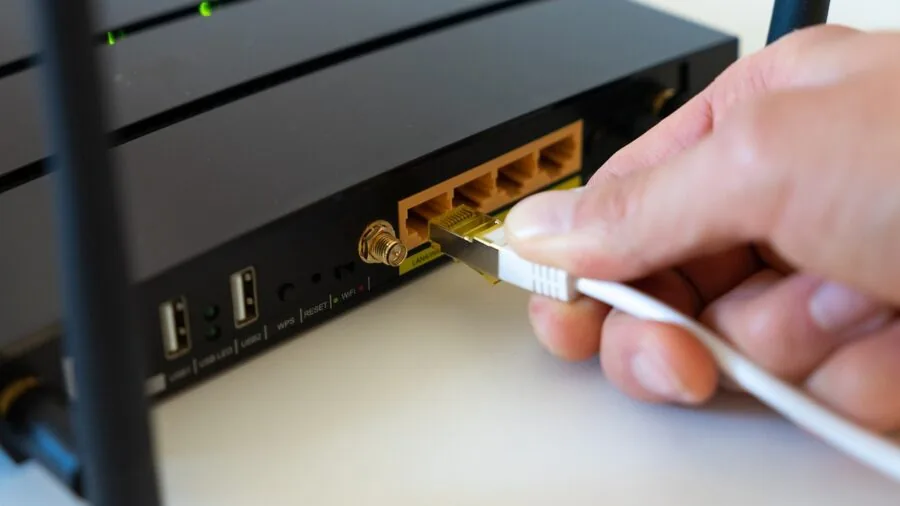
A 65-inch TV in 2026 should include at minimum two full-bandwidth HDMI 2.1 ports capable of 4K at 144Hz, 8K at 60Hz, and 48 Gbps data throughput.
This ensures you can connect a gaming console and a streaming device simultaneously without bandwidth bottlenecks.
Verify that eARC (enhanced Audio Return Channel) is present on at least one HDMI port if you plan to connect a soundbar or AV receiver and want lossless Dolby Atmos passthrough.
Our roundup models generally fulfill these requirements at the mid-range and premium tiers; the budget Insignia F50 is the exception, offering a more limited HDMI specification that reflects its lower price point.
USB ports are useful for local media playback and powering streaming sticks, though they rarely carry data at high speed on TVs.
Optical audio output is increasingly absent on thinner panels, so if your legacy soundbar requires it, confirm availability before purchasing.
Bluetooth connectivity for wireless headphone pairing is a welcome feature on OLED flagships and worth checking for buyers who share a household with light sleepers.
If you are exploring the broader landscape of 4K displays beyond the 65-inch segment, our guide to 4K TVs for every room covers additional panel sizes and tiers.
Room Setup: Viewing Distance, Lighting, and Placement

At 65 inches, the ideal viewing distance for a comfortable 4K experience sits between seven and nine feet from the screen, according to widely cited display-industry guidelines.
Closer viewing maximizes the resolution advantage of 4K; sitting farther back means the eye can no longer resolve the pixel density improvement over 1080p at that distance.
Before purchasing, measure your seating distance and confirm the TV will be at eye level when mounted or placed on a stand, as neck strain from looking up at a high-mounted screen undermines long viewing sessions.
Room lighting significantly influences which panel type serves you best. OLED panels with anti-reflective coatings, like those on the Samsung S85H, handle ambient light well but can still produce distracting reflections in very bright environments.
Glossy QLED panels can be intensely reflective but compensate with higher peak brightness that washes out competing light sources. A matte or semi-matte screen finish is generally preferable for rooms without blackout curtains.
Consider also whether your wall mounting or TV stand accommodates cable management, as the 65-inch form factor amplifies messy wiring more than smaller sets.
Why You Should Trust Us
ProductFind is an independent editorial platform. Our recommendations are built on a structured research methodology rather than brand relationships or sponsored placements.
Each product in this roundup was assessed using a consistent set of criteria drawn from publicly available specifications, expert review consensus from calibrated professional reviewers across the industry, and verified buyer feedback gathered from confirmed purchasers.
We do not conduct our own product trials; our evaluations are grounded in research, published data, expert review consensus, and verified buyer feedback.
Every model is assigned a PF Score on a 0 to 10 scale that reflects its overall performance relative to competing products in the same category.
The score weights picture quality, feature set, platform experience, build quality, and value simultaneously rather than optimizing for any single dimension.
A high PF Score means a product performs well across the full matrix of criteria that real buyers care about, not just in one headline specification.
ProductFind may earn a commission when you purchase through links on this page. That affiliate relationship has no influence on which products appear in our rankings, what PF Score they receive, or the editorial framing of our assessments.
Our rankings reflect research quality, not commission rate. We do not sell products, process orders, or handle returns; for those matters, please contact the retailer or manufacturer directly.
Final Thoughts
The 65-inch TV market spans a genuinely wide range of technologies and price tiers, and each model in this list was chosen because it represents a meaningful option for a specific type of buyer rather than a generic compromise.
OLED continues to set the benchmark for contrast and color fidelity, while QLED and Mini-LED alternatives have closed the gap substantially in brightness and gaming responsiveness.
Below are the standout picks from this roundup, each awarded a specific designation based on where it excels.
- Best Overall: Samsung 65-Inch Class OLED S85H Series Samsung Vision AI Smart TV. This model earns the top spot by combining a next-generation OLED panel with Samsung’s most advanced Vision AI processing, delivering outstanding contrast, Color Booster Pro, and a polished Tizen experience that expert reviewers consistently rate at the top of the category.
- Best for Cinephiles and HDR Purists: LG 65-Inch Class OLED evo AI 4K C5 Series Smart TV. The C5 pairs Dolby Vision and Dolby Atmos support with LG’s refined webOS platform and Filmmaker Mode for content that looks exactly as directors intended, making it the reference choice for dedicated home-theater setups.
- Best for Gaming: Samsung 65-Inch Class OLED S90F 4K Smart TV (2025 Model). With Motion Xcelerator 144Hz, HDMI 2.1 connectivity, and the NQ4 AI Gen3 processor, the S90F provides the low input lag and variable refresh rate performance that serious console and PC gamers demand from an OLED panel.
- Best Mid-Range QLED Value: Hisense 65-Inch U6 Pro Series Mini-LED ULED 4K UHD Smart Fire TV. The U6 Pro brings native 144Hz, Dolby Vision IQ, a glare-free coating, and Mini-LED local dimming to a price tier that makes premium-adjacent performance accessible without committing to a flagship budget.
- Best Budget Pick: INSIGNIA 65-Inch Class F50 Series LED 4K UHD Smart Fire TV. For buyers who need a large screen with Fire TV convenience and Alexa integration at an entry-level price, the F50 delivers a functional 4K image without any pretense of competing with OLED or QLED tiers.
Whichever model fits your budget and room, the 65-inch format rewards the investment more than almost any other upgrade in a home entertainment setup.
If you are still weighing display technology across multiple categories, our coverage of QLED TVs and 4K TVs can help you compare the full landscape before committing.
Frequently Asked Questions
Is a 65-inch TV too big for a typical living room?
For most living rooms with a seating distance of seven feet or more, 65 inches is actually the sweet spot rather than an excess.
Display industry guidelines suggest that 4K content at 65 inches can be fully appreciated from roughly seven to nine feet away, which aligns with typical sofa-to-wall distances in North American homes.
At that range, the extra screen real estate makes movies and sports noticeably more immersive compared with a 55-inch set without making the room feel overwhelmed.
If your seating is closer than six feet, you may find text and on-screen menus uncomfortably large, and a 55-inch panel might serve you better.
Conversely, in rooms where seating is beyond ten feet, stepping up to 75 or 85 inches would extract more value from the 4K resolution. Measure before buying.
What is the difference between OLED and QLED at this screen size?
OLED panels produce absolute black by turning off individual pixels, giving them an inherent contrast advantage and wide viewing angles without color shift.
QLED displays use quantum-dot enhancement over LED backlights to achieve higher sustained and peak brightness, which gives them an edge in brightly lit rooms. At 65 inches, both technologies are mature and well-implemented across the premium models in this roundup.
The practical choice often comes down to your room: OLED excels in controlled or dim lighting where its contrast depth is visible; QLED and Mini-LED are better suited to living rooms with significant ambient light.
For gaming, OLED’s pixel response and near-instant transitions are a consistent advantage, while top-tier QLED sets are competitive in brightness for HDR gaming. You can read more about how QLED panels differ across use cases in our QLED TVs roundup.
Do I need HDMI 2.1 on a 65-inch TV in 2026?
If you own or plan to own a PlayStation 5, Xbox Series X, or a recent gaming PC, HDMI 2.1 is effectively a necessity rather than a nice-to-have.
Without it, you cannot pass 4K signals at 120Hz or higher, and you lose access to VRR and ALLM features that eliminate screen tearing and reduce input lag automatically.
All of the mid-range and premium models in this roundup include at least two full-bandwidth HDMI 2.1 ports.
For purely streaming and cable-TV use with no gaming involved, HDMI 2.0 is technically sufficient, since streaming services top out well below those bandwidth thresholds.
Even so, opting for a set with HDMI 2.1 future-proofs your investment as content formats evolve, and the premium for including it has largely been absorbed into mainstream pricing at the 65-inch tier.
Is OLED burn-in still a real concern in 2026?
Burn-in, or permanent image retention, is a theoretical risk with OLED panels when static elements like channel logos, news tickers, or scoreboard overlays remain on screen for many consecutive hours at high brightness.
In practice, modern OLED TVs from LG and Samsung include a suite of mitigation tools including pixel refreshers, screen savers, and logo luminance adjustment that have significantly reduced real-world incidents.
Verified buyer feedback across both the LG C-series and Samsung S-series lines reflects minimal burn-in complaints among users who watch varied content.
The risk is most elevated for buyers who use a 65-inch OLED as a dedicated monitor with a static taskbar visible for eight or more hours daily, or who watch a single sports channel for extended periods with a persistent logo in the corner.
For general home viewing including movies, streaming, and gaming, the practical burn-in risk is low enough that it should not disqualify OLED from consideration.
Which smart TV platform is easiest to live with day to day?
Expert reviewer consensus consistently places Samsung’s Tizen and LG’s webOS at the top of the smart-platform hierarchy for responsiveness, app availability, and interface organization. Both receive regular software updates, support all major streaming services, and handle multi-source switching smoothly.
Google TV on the TCL T7 is a strong alternative for households already embedded in the Google ecosystem, with effective content recommendations and seamless Chromecast integration.
Amazon Fire TV, found on both Hisense models and the Insignia, works well if Prime Video is your primary service and you use Alexa regularly. Its interface is more commerce-oriented than the others, surfacing content tied to Amazon’s ecosystem prominently.
All five platforms support major apps including Netflix, Disney Plus, Apple TV Plus, and YouTube, so app gaps are rarely the deciding factor at this point in the ecosystem’s maturity.
Should I buy a soundbar to go with a 65-inch TV?
In most cases, yes. Flat-panel TV speakers have improved, and features like LG’s Wow Orchestra, which blends the TV’s onboard speakers with a compatible soundbar, show that manufacturers are paying more attention to audio.
However, the physical constraints of a thin 65-inch chassis limit bass extension and overall loudness.
A dedicated soundbar or AV receiver transforms the audio experience to match the visual scale of the screen, particularly for Dolby Atmos content where height channels make a tangible difference.
For rooms where a full soundbar is impractical, wireless speakers or even well-chosen over-ear headphones with Bluetooth pairing to the TV can fill the gap for solo viewing sessions.
If you prefer a more personal audio setup, a pair of quality open-ear headphones can deliver spatial audio without isolating you from the room entirely.
About the author
Zoey is a reviewer and writer for ProductFind who specializes in TVs & Home Entertainment. Zoey evaluates products through independent research: specifications, expert review consensus, and verified buyer feedback, and rates each one on the PF Score. Zoey focuses on helping readers pick the right tvs & home entertainment for their needs and budget.