The 9 Best Hockey Sticks
Flex, kick point, and blade curve all affect how a hockey stick performs for your style. Our research covers youth, junior, and senior composites across street and ice formats.
 By Vickie Foster
Updated July 23, 2026
By Vickie Foster
Updated July 23, 2026

Hockey sticks are one of the most personal pieces of equipment a player owns, and choosing the wrong one can hold back your game no matter how skilled you are.
Flex, kick point, curve pattern, and shaft material all interact differently depending on your position, shooting style, and age group.
Whether you are picking up a first stick for a young beginner or upgrading to a premium composite for competitive ice time, the options on the market range from entry-level street setups to elite intermediate composites used by players who mirror the habits of NHL professionals.
To help you cut through the noise, the team at ProductFind researched and compared today’s top-selling hockey sticks by synthesizing manufacturer specifications, expert review consensus, and verified buyer feedback from confirmed purchasers.
The picks below span youth, junior, intermediate, and beginner categories at a range of price points, so there is a realistic option for every type of player. Scroll down to see our ranked top picks.
| Award | Product | PF Score About PF ScoreThe PF Score is our own rating from 0 to 10, based on performance, design and build, ease of use, and value. It reflects independent research and is never influenced by manufacturers, retailers, or affiliate commissions. Learn more › | Price | |
|---|---|---|---|---|
| Best Overall |
 CCM JetSpeed FT855 Intermediate Ice Hockey Stick
|
8.1/10 | Buy | |
| Editor's Pick |
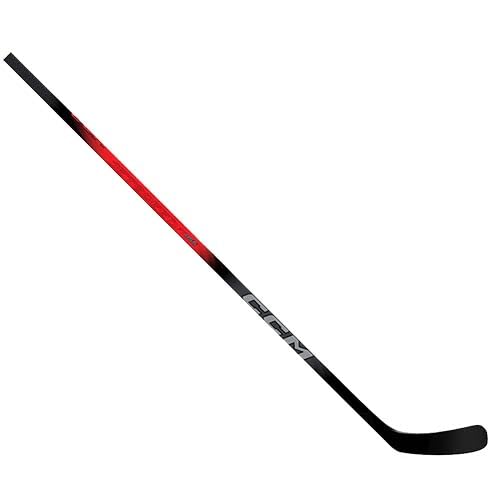 CCM JetSpeed FT855 Youth Hockey Stick
|
7.6/10 | Buy | |
| Best Value |
 Franklin Sports Junior 42 Inch Composite Hockey Stick
|
6.8/10 | Buy | |
| Top Rated |
 Fischer RC ONE IS1 80 Flex Hockey Stick
|
6.3/10 | Buy | |
 Bauer I3000 Hockey Stick Left Hand
|
6.1/10 | Buy | ||
 Premier Sports Kids Hockey Set, 4-Player with 2 Goals
|
5.9/10 | Buy | ||
 Champion Sports RHINO 47" Senior Hockey Set
|
5.8/10 | Buy | ||
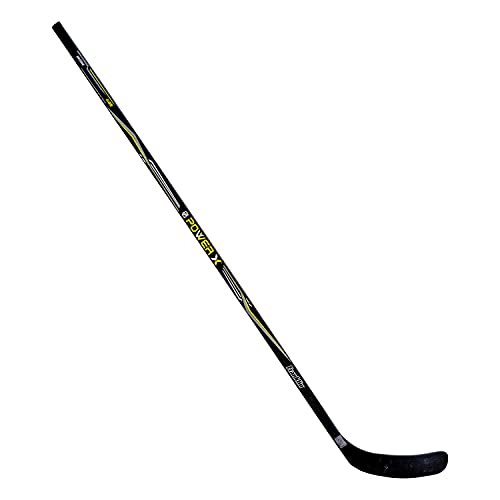 Franklin Sports Power X Street Hockey Stick 52"
|
5.5/10 | Buy | ||
 Franklin Sports NHL SX Comp 1010 40-Inch Youth Hockey Stick
|
5.2/10 | Buy |
CCM JetSpeed FT855 Intermediate Ice Hockey Stick
The CCM JetSpeed FT855 is an intermediate-level hockey stick engineered for aggressive players seeking responsive shot loading and enhanced grip control. Its carbon-fiberglass blade construction balances durability with performance characteristics tailored to intermediate skill levels.
Pros
- Hinge effect mechanism supports efficient energy transfer during shots
- R Geometry grip enhances stick handling and control in play
- Durable blade material resists wear from regular use
- Intermediate sizing matches player development level
Cons
- No verified user reviews available to confirm real-world performance claims
- Limited detailed specifications on flex profile and other technical measurements
- Intermediate-only sizing narrows appeal to beginner or advanced players
CCM JetSpeed FT855 Youth Hockey Stick
Lightweight youth stick designed for agile players seeking quick release and control. Features a dynamic kickpoint and carbon-fiber composite blade built for responsive performance on ice.
Pros
- Dynamic kickpoint provides balanced speed and responsive feedback for developing players
- R Geometry grip system offers enhanced control during play
- Durable carbon-fiber composite construction withstands regular use
- Lightweight design suits youth players requiring agility
Cons
- No verified buyer reviews available to confirm real-world durability and performance
- Limited color options, black or white only
- Youth-specific sizing may require careful measurement for proper fit
Franklin Sports Junior 42 Inch Composite Hockey Stick
A lightweight composite stick designed for young ice hockey players with a 20 flex shaft that requires minimal force for passing and shooting. The textured grip and mid-curve blade support skill development during practice and games.
Pros
- Low flex rating allows younger or less experienced players to generate power without excessive effort
- Textured grip surface enhances control during stickhandling and passing
- Lightweight composite material balances durability with ease of use for youth players
- Mid-curve blade helps players develop fundamental shooting and passing techniques
Cons
- No verified buyer reviews available to confirm real-world durability or performance claims
- Limited to right-handed configuration, not suitable for left-handed players
- 42-inch length may not fit all youth age ranges or height requirements
Fischer RC ONE IS1 80 Flex Hockey Stick
An entry-level composite stick built with glass fiber and a high-impact ABS core for durability across different playing surfaces. The 80 flex rating and P92 curve make it a straightforward choice for senior players starting out or looking for a budget-friendly option.
Pros
- Glass fiber build provides solid stick durability
- High-impact ABS core designed to perform on various playing surfaces
- Monocomp technology offers reliable performance characteristics
- Lightweight construction at 1.63 pounds
- Standard senior sizing and flex options for established players
Cons
- No verified buyer reviews available to assess real-world performance
- Entry-level positioning suggests it may lack advanced features of higher-tier sticks
- Limited technical specifications provided beyond basic measurements
Bauer I3000 Hockey Stick Left Hand
Bauer's I3000 is a lightweight hockey stick designed for left-handed players seeking responsive control during play. The comfortable handle and durable construction make it suitable for recreational to intermediate players.
Pros
- Lightweight at approximately 1.06 pounds, reducing player fatigue
- Comfortable handle designed for extended use
- Delivers responsive control for accurate shots and passes
- Built with quality materials for durability
Cons
- No verified buyer reviews available to confirm real-world performance
- Limited size options based on specifications provided
- Restricted to left-handed players only
Premier Sports Kids Hockey Set, 4-Player with 2 Goals
A complete beginner hockey set for ages 3-9 that includes four 23-inch sticks, two mini goals, and both indoor foam and outdoor balls for flexible play. Designed with straight blades suitable for left and right-handed players, making it accessible for family games in any environment.
Pros
- Complete set eliminates need to buy sticks and goals separately
- Straight blades reduce frustration for young beginners learning the game
- Includes both indoor and outdoor balls for year-round play flexibility
- Two goals enable organized team play across multiple skill levels
- Durable mini goals built to withstand repeated use
Cons
- No customer reviews available yet, limiting real-world feedback on durability over time
- Limited to four players, requiring additional sticks and goals for larger groups
- Stick height fixed at 23 inches may not accommodate all players within the 3-9 age range equally
Champion Sports RHINO 47" Senior Hockey Set
Complete hockey starter kit with 12 player sticks, 2 goalie sticks, and game accessories, designed for ages 10 and up. Durable ABS shafts and non-marring polyethylene blades suit both gym and outdoor play without damaging floors.
Pros
- All-in-one package with player and goalie sticks plus game balls and pucks
- Floor-safe polyethylene blades reduce damage to gym surfaces
- Senior 47-inch length fits a wide age range from 10 to adults
- Reinforced blades resist wear during regular play
Cons
- No verified buyer reviews available to assess real-world durability claims
- 47-inch shaft may be oversized for younger players in the 10-12 age range
- Replacement blades limited to one of each color rather than multiple spares
Franklin Sports Power X Street Hockey Stick 52"
A one-piece NHL-licensed street hockey stick built with multi-ply wood shaft and high-impact fiber blade for durability and responsive play. Best for recreational and competitive players seeking balanced weight and authentic construction.
Pros
- One-piece design provides authentic feel with superior durability compared to two-piece alternatives
- Balanced weight distribution enhances control during competitive play
- Multi-ply wood shaft construction supports both wrist and slap shots effectively
- High-impact blade offers quick reactivity to ball contact
Cons
- No verified buyer reviews available to assess real-world durability or performance
- Fixed 52-inch size limits options for players who prefer different stick lengths
- Limited color options restrict customization choices
Franklin Sports NHL SX Comp 1010 40-Inch Youth Hockey Stick
An NHL-licensed street hockey stick built for recreational play with a durable multi-ply wood shaft and replaceable ABS plastic blade. Lightweight and balanced design makes it accessible for young players learning the game on driveways or pavement.
Pros
- Replaceable ABS plastic blade reduces long-term replacement costs
- Balanced weight distribution aids skill development for youth players
- Durable multi-ply wood shaft withstands recreational impact
- NHL licensing adds credibility and appeal for young hockey fans
Cons
- No verified buyer reviews available to assess real-world durability claims
- Limited to recreational street play, not suitable for ice hockey
- Blade replacement parts availability not specified in product data
Hockey Sticks Buying Guide
Picking a hockey stick involves more variables than most sports equipment purchases. The sections below walk through the factors that actually matter, so you can match a stick to the way you play rather than just the price tag on the shelf.
Stick Flex: Match It to Your Body Weight
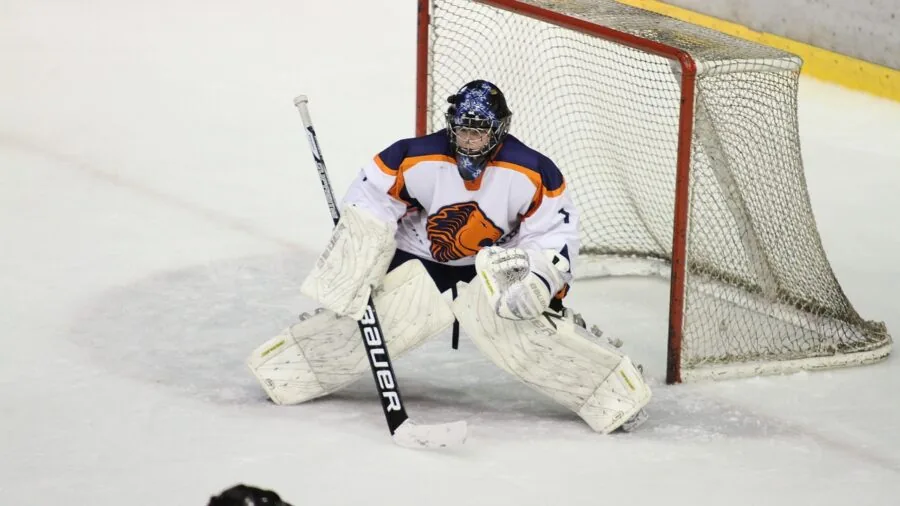
Flex rating describes how much force is required to bend the shaft one inch, and it has a direct effect on how much energy transfers into your shot.
The widely accepted starting point is to take your body weight in pounds and divide it by two. A 160 lb player, for instance, typically fits a flex rating near 80.
Younger and lighter players should size down significantly, which is why youth and junior sticks are built with much lower flex ratings than senior models.
Going too stiff means you cannot load the shaft properly, so shot power and release speed both suffer. Going too whippy makes the stick feel unpredictable and harder to control on passes.
Beginners often err toward a stiffer stick because it feels more solid in the hands, but a properly matched flex will generate more power with less effort once technique improves.
If you are between two ratings, players who favor wrist shots and quick-release situations generally benefit from the softer option, while players who rely on slap shots can lean toward the stiffer end.
Sticks like the Franklin Sports Junior Ice Hockey Stick are designed with a 20 flex that suits lighter youth players, while intermediate options such as the CCM JetSpeed FT855 are built for older and heavier players who need more resistance to maximize shot energy transfer.
Kick Point: Low, Mid, or Hybrid
The kick point is the part of the shaft that flexes most under load, and it fundamentally shapes what type of shots the stick favors.
A low kick point loads near the bottom of the shaft and snaps back quickly, making it ideal for wrist shots, snap shots, and situations where you need a fast release without a full wind-up.
Forwards who shoot in stride or from tight spaces tend to prefer low kick profiles.
A mid kick point loads higher up the shaft and is better suited to slap shots and one-timers where the player has time to generate a full motion.
Defensemen and power forwards who want to bomb shots from the blue line often gravitate toward mid kick sticks because they allow greater energy storage before releasing.
The tradeoff is that wrist shots feel slightly slower compared to a low kick design.
Hybrid kick point designs, most notably developed by CCM in their JetSpeed line, try to give you characteristics of both by adapting to hand placement on the shaft.
Players who play a two-way game and need versatility across all shot types tend to find hybrid kick geometry the most forgiving.
Just as choosing the right ski bindings depends on release setting and terrain style, the right kick point depends entirely on your dominant shot and position.
Blade Curve Pattern
The curve of a blade affects puck control, shooting trajectory, and passing accuracy in ways that are easy to overlook until you switch patterns.
Heel curves generate more power on slap shots and lift the puck quickly, making them popular with defensemen. Mid curves are the most versatile and suit players who need accuracy on both wrist and backhand shots.
Toe curves give forwards precise control on deking and shooting from the forehand off the rush.
Standardized curve codes vary between brands.
The P92 pattern, for example, found on options like the Fischer RC ONE IS1, is one of the most common senior curves in hockey because it combines a moderate mid-to-toe curve with enough loft to shoot off the forehand while keeping the backhand usable.
Beginners are usually advised to start with a neutral or mid curve before experimenting with aggressive heel or deep toe patterns, as extreme curves make some skills harder to develop early on.
Youth sets aimed at very young players, such as the Premier Sports Kids Hockey Set, tend to use symmetrical or neutral blades to help children develop foundational skills on both sides of the stick without fighting a pronounced curve.
Shaft Material: Wood, Composite, and Hybrid Constructions
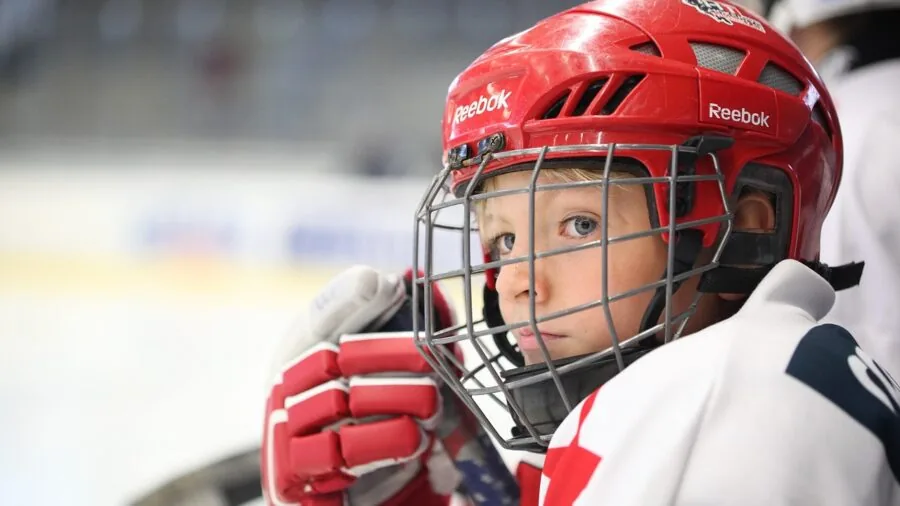
Wood sticks are heavier and less consistent in feel than composite, but they remain a valid choice for recreational players, street hockey, and beginners who are still developing their game.
They are generally more affordable and more forgiving of rough treatment on outdoor surfaces. Franklin Sports’ entry-level street hockey sticks use this category well, offering accessible price points for players who want to learn before committing to high-end gear.
Composite sticks are built from carbon fiber layering, which allows manufacturers to tune flex, kick point, and weight distribution precisely and consistently. They are significantly lighter than wood, which improves shot speed and reduces fatigue over long sessions.
Premium composites from brands like CCM and Bauer are the standard in competitive hockey from junior levels upward because weight savings and consistent performance directly translate to on-ice results.
The main tradeoff with composites is durability relative to cost. High-end composite sticks can crack or break suddenly, especially from blocking shots or slashing.
Mid-range composites balance construction quality with a price that hurts less when a stick inevitably breaks during a hard game.
If durability is a priority over peak performance, look for sticks with reinforced blade cores and thicker shaft walls, even if that adds a few grams of weight.
A similar principle applies when choosing footwear for demanding activity: trail running shoes balance cushioning and durability based on the terrain, and hockey sticks follow the same logic for different playing surfaces.
Length and Sizing by Age Group

Stick length is measured from the heel of the blade to the top of the shaft, and the right length depends on your height and position preference.
The traditional rule is that when you stand in skates and hold the stick vertically in front of you, the butt end should reach somewhere between your chin and your nose.
Players who like to handle the puck close to their body often prefer shorter sticks for quicker hands, while players focused on reach and shot power sometimes go slightly longer.
Youth sticks typically measure around 40 to 46 inches and are built for players under 9 or 10 years old. Junior sticks run approximately 46 to 54 inches for players roughly 8 to 12.
Intermediate sticks like the CCM JetSpeed FT855 Intermediate are sized for older teens transitioning toward adult proportions. Senior sticks cover adult players and are the longest and stiffest category available.
Buying the correct length category is as important as any other spec because a stick that is too long forces bad mechanics that are difficult to unlearn.
Street hockey and roller hockey sticks follow the same length conventions but may use different blade materials to withstand pavement surfaces. The Franklin Sports Power X is a good example of a street-optimized shaft design built for outdoor durability rather than ice performance.
Ice Hockey vs. Street and Roller Hockey
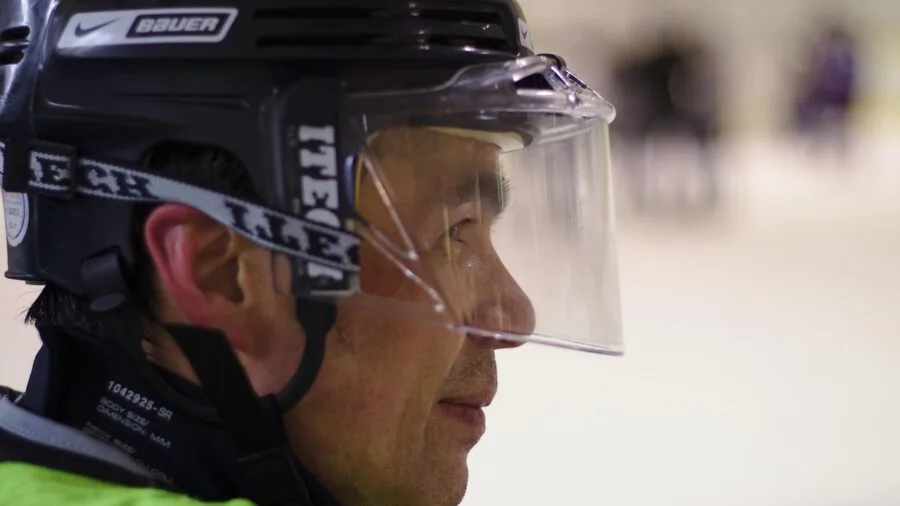
Ice hockey sticks are engineered for smooth ice surfaces where blade flex and edge feel on a puck are critical. Street and roller hockey sticks use harder, more abrasion-resistant blade materials because concrete and asphalt rapidly destroy standard ice blades.
If you plan to play primarily outdoors, investing in a dedicated street hockey stick protects the blade and gives you better puck control on rough surfaces.
Beginner sets like the Champion Sports RHINO Stick Senior Hockey Set bundle stick, blade, and puck together, which is a practical option for players setting up an informal outdoor game or introducing a group to the sport without buying individual components.
These sets prioritize convenience and accessibility over performance refinement, which is entirely appropriate for recreational use.
That same practical bundled approach is common in other outdoor and winter sports: solid ski boots make a bigger difference than most gear upgrades for beginners finding their footing on the mountain.
Why You Should Trust Us
ProductFind is an independent review publication. We do not sell hockey equipment, and we have no affiliation with the brands featured in this article.
Every product in our rankings is evaluated using a consistent methodology: we analyze manufacturer specifications, synthesize expert review consensus from established hockey publications and gear analysts, and incorporate verified buyer feedback from confirmed purchasers.
We do not conduct our own product trials; our evaluations are grounded in research, published data, expert review consensus, and verified buyer feedback.
Each product receives a PF Score on a scale of 0 to 10. This score reflects our holistic assessment across the criteria most relevant to the category: flex accuracy, construction quality, blade performance, age-appropriateness, and value relative to price tier.
The PF Score is assigned independently of price and brand reputation, and it is recalibrated as new market data or buyer feedback becomes available.
ProductFind may earn a commission if you purchase through our links. This affiliate relationship does not influence rankings, PF Scores, or which products appear in our roundups. Our editorial selections are based entirely on research merit.
We are transparent about this relationship because we believe readers deserve to know how we are compensated while being confident that the compensation does not shape our conclusions.
Final Thoughts
After researching and comparing the full field of hockey sticks across youth, junior, intermediate, and street categories, a few standout picks emerged for different types of players. Here is a summary of our top recommendations by use case:
- Best Overall: CCM JetSpeed FT855 Ice Hockey Stick (Intermediate) earns the top position with the highest PF Score in this roundup. It brings CCM’s JetSpeed engineering to the intermediate size range, delivering a hybrid kick profile, a lightweight composite build, and consistent on-ice feel that competes with sticks sold at significantly higher price points.
- Best Youth Pick: CCM JetSpeed FT855 Ice Hockey Stick (Youth) takes the same proven JetSpeed construction and scales it down for younger players, making it the most capable youth-specific option in this roundup. It earns a strong PF Score and avoids the stiffness problems that plague cheaper youth composites.
- Best for Young Beginners Learning the Game: Franklin Sports Junior Ice Hockey Stick (Pursuit) is a composite-shaft junior option with a 20 flex and textured grip that suits players still building fundamental technique. It earns a solid PF Score for its category and offers construction quality that exceeds its price tier.
- Best Senior Composite Value: Fischer RC ONE IS1 Composite Hockey Stick (Senior) delivers an 80 flex, P92 curve, and full-length composite construction at a mid-range price that undercuts many competing senior sticks. Its PF Score reflects strong performance-per-dollar in the senior category.
- Best Beginner Bundle for Kids: Premier Sports Kids Hockey Set gives children aged 3 to 9 everything they need to start playing without parents having to source individual components. Its PF Score reflects good value and age-appropriate design rather than competitive performance.
No single hockey stick is right for every player, but the picks above cover the realistic spectrum from first-time kids’ sets to competitive intermediate composites.
Prioritize flex and kick point first, then blade curve, and let price tier determine your construction ceiling. Upgrading from a beginner setup to a mid-range composite is one of the highest-impact gear changes a developing player can make.
Frequently Asked Questions
What flex should I choose for a hockey stick?
A reliable starting point is to divide your body weight in pounds by two. A 140 lb player would look at flex ratings near 70, while a 200 lb player would start around 100.
Youth and junior sticks use much lower flex numbers because younger players have less strength to load the shaft.
Players who favor wrist shots and quick-release situations can size down slightly from the formula, while players who generate power primarily through slap shots may prefer the stiffer end of their range.
What is the difference between ice hockey sticks and street hockey sticks?
Ice hockey sticks are designed for smooth rink surfaces and use blade materials optimized for feeling a rubber puck on ice.
Street and roller hockey sticks use harder, more abrasion-resistant blade composites that hold up against concrete and asphalt, which would rapidly destroy a standard ice blade.
If you play both, you generally need separate blades or separate sticks for each surface to get proper performance and avoid premature wear.
How do I know if a hockey stick is the right length?
The standard method is to stand in your skates and hold the stick vertically in front of you. The butt end of the stick should reach somewhere between your chin and your nose.
Players who prefer tight puck handling often size down slightly for faster hands; players focused on reach and shot power from distance may prefer a stick that reaches the nose or just above.
Without skates on, subtract about an inch and a half from the above measurement to estimate the right length in shoes.
Are composite hockey sticks worth the extra cost over wood?
For most players above the pure recreational beginner stage, yes. Composite sticks are lighter, more consistent in flex, and allow manufacturers to tune performance characteristics precisely.
The weight savings reduce fatigue and measurably improve shot speed for players with developed technique.
The main limitation is that composite sticks can break suddenly rather than wearing out gradually like wood, so the cost-per-game calculation depends on how hard you play and whether you are a shot-blocker.
Mid-range composites offer most of the performance benefit at a price that softens the blow when a stick inevitably breaks.
What age is appropriate for a youth hockey stick vs. a junior stick?
Youth sticks are generally intended for players under roughly 8 to 9 years old, with lengths around 40 to 46 inches and very low flex ratings. Junior sticks cover approximately ages 7 to 12 depending on the child’s height and strength, running from about 46 to 54 inches.
The best way to confirm fit is the chin-to-nose evaluation described above, combined with a flex rating appropriate for the child’s weight rather than relying solely on age.
Growing players may find they transition between size categories faster than expected as they gain height and strength.
Can I use a hockey stick for both ice and roller hockey?
Technically yes, but it is not recommended for regular play. Using an ice hockey blade on pavement accelerates wear significantly, often destroying the blade in a fraction of the time it would last on ice.
If you play both formats regularly, consider a shaft with interchangeable blades so you can swap to a street-appropriate blade when playing outdoors.
Entry-level players doing occasional driveway sessions may find the tradeoff acceptable, but competitive roller players should use a stick built specifically for that surface to maintain proper feel and blade longevity.
Gear fit matters across sports: just as kids’ school shoes built for indoor use wear out faster on rough outdoor surfaces, ice blades degrade rapidly on pavement.
About the author
Vickie is a reviewer and writer for ProductFind who specializes in Winter Sports. Vickie evaluates products through independent research: specifications, expert review consensus, and verified buyer feedback, and rates each one on the PF Score. Vickie focuses on helping readers pick the right winter sport for their needs and budget.