The 11 Best Memory Games for Kids
From classic tile-flip sets to electronic sequence challenges, the right memory game can sharpen focus and recall in a way that feels like pure play. Here are eleven picks worth considering.
 By Manuel Davidson
Updated July 23, 2026
By Manuel Davidson
Updated July 23, 2026
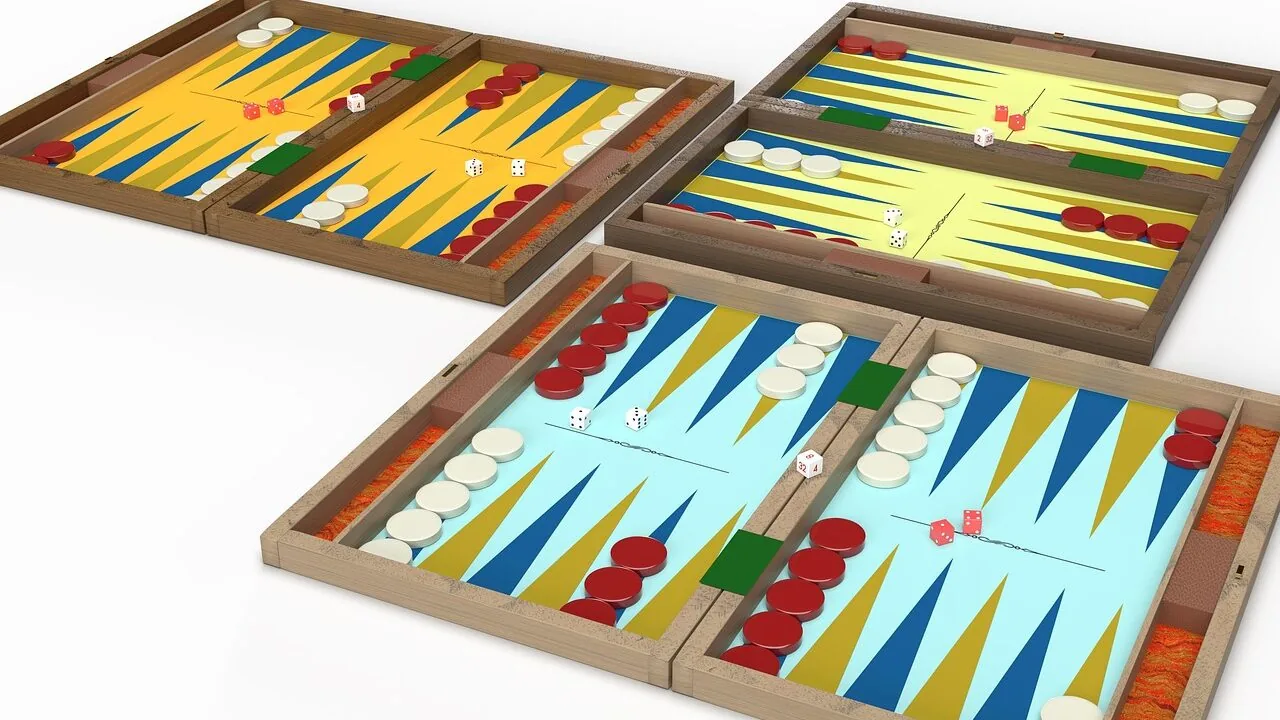
Memory games are among the most research-backed tools parents and educators reach for when nurturing cognitive development in young children.
Studies in developmental psychology consistently show that activities involving recall, pattern recognition, and concentration build working memory, which in turn supports reading comprehension, math reasoning, and classroom focus.
Yet the market is crowded with options spanning classic tile-flip sets, licensed character matching games, electronic handheld devices, and travel-friendly wooden boards, making it genuinely difficult to know which picks are worth your money and which will gather dust after a single play session.
This guide cuts through the noise.
ProductFind researched and assessed eleven of the most popular memory games for kids currently available, drawing on verified buyer feedback, specifications, and expert review consensus across categories including board games for kids, handheld electronics, and travel-ready formats.
Our top picks are ranked and ready to compare below.
| Award | Product | PF Score About PF ScoreThe PF Score is our own rating from 0 to 10, based on performance, design and build, ease of use, and value. It reflects independent research and is never influenced by manufacturers, retailers, or affiliate commissions. Learn more › | Price | |
|---|---|---|---|---|
| Best Overall |
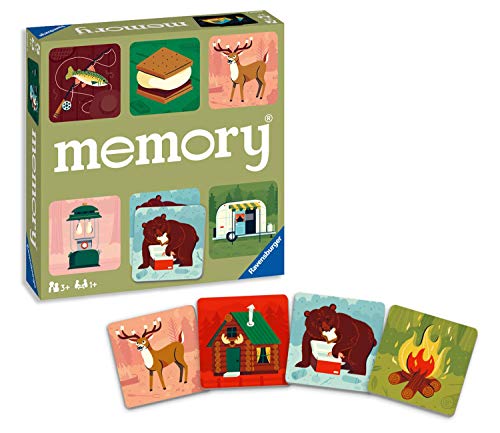 Ravensburger Great Outdoors Memory Game, 48 Tiles
|
8.2/10 | Buy | |
| Editor's Pick |
 Wonder Forge Bluey Matching Game for Ages 3-5
|
8.1/10 | Buy | |
| Best Value |
 Wonder Forge Disney Matching Game 72-Tile
|
8.0/10 | Buy | |
| Top Rated |
 Chuckle & Roar Baby Animals Memory Game, 26 Pairs
|
8.0/10 | Buy | |
 Wonder Forge Marvel Spidey Matching Game
|
7.9/10 | Buy | ||
 Hasbro Simon Micro Series Handheld Game
|
7.8/10 | Buy | ||
 Jax SEQUENCE for Kids Strategy Game
|
7.5/10 | Buy | ||
 ABERLLS Wooden Memory Game Board, 8.3x10.4 inches
|
7.3/10 | Buy | ||
 Coosilion CVC Word Games Flash Cards, 60-Piece Set
|
6.9/10 | Buy | ||
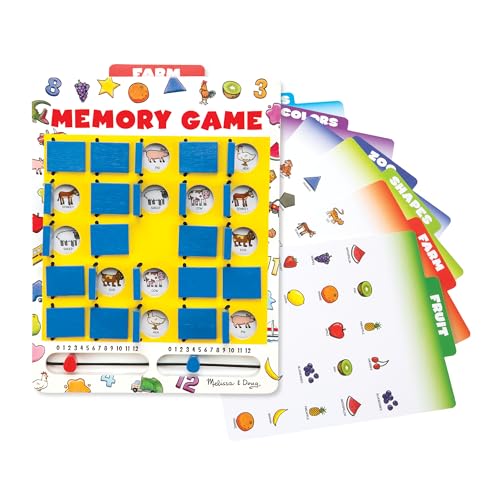 Melissa & Doug Flip-to-Win Portable Memory Game Board
|
6.8/10 | Buy | ||
 Tingbowie Memory Game Handheld Electronic Toy
|
6.5/10 | Buy |
Ravensburger Great Outdoors Memory Game, 48 Tiles
A classic memory matching game featuring camping-themed artwork across 48 durable tiles. Designed for ages 3 and up, it plays in about 15 minutes and builds focus and memory skills through family-friendly gameplay.
Pros
- Quick setup and playtime (under 5 minutes to learn, 15 minutes to play)
- 48 sturdy tiles with detailed outdoor illustrations appeal to young learners
- Develops focus, memory, and matching skills while entertaining
- Compact box size makes it portable for travel or storage
- Trusted Ravensburger brand known for quality game components
Cons
- No customer reviews available yet to assess real-world durability or gameplay experience
- Limited to memory game mechanics, lacks variety for older children seeking more complex challenges
- Recommended primarily for ages 3 and up, which may limit engagement for teenagers
Wonder Forge Bluey Matching Game for Ages 3-5
A Bluey-themed memory tile game designed for preschoolers and toddlers, featuring 15-minute gameplay with simple rules. Combines character-based appeal with memory-building mechanics, making it suitable for family play or independent skill practice.
Pros
- Quick 15-minute sessions fit easily into busy schedules and maintain young children's attention
- Bluey character licensing appeals directly to fans ages 3-5 while building cognitive and pattern-recognition skills
- Screen-free gameplay supports family bonding and Montessori-inspired structured learning
- Compact size (10.51 x 7.99 x 1.5 inches) makes it portable for travel, school, or indoor recess
- Simple rules and instructions make it accessible for toddlers without parental guidance
Cons
- No verified buyer reviews available to assess real-world durability or play experience
- Limited to ages 3-5, narrowing the age range for multi-generational family play
- Relies entirely on Bluey IP appeal, which may not sustain long-term interest for children unfamiliar with the show
Wonder Forge Disney Matching Game 72-Tile
A Disney-themed memory card game with 72 tiles featuring classic characters like Mickey and Minnie, designed for preschoolers ages 3-5. Straightforward gameplay supports memory skill development and family play without complex rules.
Pros
- Supports cognitive development with focus on memory and pattern recognition for early learners
- Simple setup and quick play sessions suit the attention span of 3-5 year olds
- Disney character theming adds familiar appeal for young children
- Encourages interactive family game nights and cooperative play
- Reasonably portable at 8 x 10.5 x 1.5 inches for travel or storage
Cons
- No customer reviews available to verify real-world durability or tile quality
- 72 tiles may feel overwhelming for the youngest end of the 3+ age range during initial play
- Limited replayability once children memorize tile positions, as matching games inherently lack progression or difficulty scaling
Chuckle & Roar Baby Animals Memory Game, 26 Pairs
A straightforward memory matching game featuring 52 durable cardboard tiles with baby animal pairs, designed for ages 3 and up. Supports solo or group play while building concentration and visual recognition skills in young learners.
Pros
- Durable cardboard tiles built for heavy toddler use without wearing quickly
- Simple rules and fast gameplay keep young attention spans engaged
- Works equally well for independent play or group activities
- Affordable price point for a classic learning game
Cons
- No reviews available to verify durability or play quality in real use
- Limited to basic matching mechanics without additional game modes or difficulty levels
- Cardboard construction may eventually show wear with very heavy daily classroom use
Wonder Forge Marvel Spidey Matching Game
A memory matching game for ages 3+ featuring Spider-Man and friends characters. Designed for quick family play with 15-minute sessions and easy five-minute setup, making it suitable for toddlers and group play.
Pros
- Minimal setup time with clear instructions
- Appeals to multiple age groups for family game nights
- Compact size ideal for travel or storage
- Spider-Man themed characters engage young kids
- Quick playtime suitable for short attention spans
Cons
- No verified buyer reviews available to confirm actual play experience
- Limited gameplay depth as a basic matching game
- May have limited replayability for older children
Hasbro Simon Micro Series Handheld Game
A downsized version of the classic Simon electronic memory game that delivers the full experience in a compact format. Perfect for solo play or parties, with advanced difficulty levels that challenge players to remember and repeat increasingly complex color sequences.
Pros
- Full Simon experience packed into a smaller, portable form factor
- Progressive difficulty levels keep gameplay engaging beyond beginner rounds
- Works for both solo high-score challenges and multiplayer party settings
- Classic, proven game mechanics that appeal to multiple age groups
Cons
- No customer reviews available to verify durability or build quality in real-world use
- Limited to handheld play only, no option to connect to larger displays
- Requires manual button pressing at higher speeds, which may be challenging for younger players at the lower end of the recommended age range
Jax SEQUENCE for Kids Strategy Game
A simplified version of the classic SEQUENCE game designed for young children ages 3-6 that requires no reading skills. Players match cards to characters on the board and race to get four chips in a row, making it accessible for early learners while building logical thinking.
Pros
- Designed specifically for ages 3-6 with accessibility in mind
- Teaches strategic thinking through intuitive card-and-chip gameplay
- Works for 2-4 players, flexible for different group sizes
- Compact and lightweight for easy portability
Cons
- No customer reviews available to verify real-world durability or gameplay experience
- Limited to the younger age range, not suitable for older children seeking complexity
- Board size may be tight for younger children's fine motor control with chip placement
ABERLLS Wooden Memory Game Board, 8.3x10.4 inches
A portable wooden memory matching game designed for ages 3-8, featuring 6 double-sided cards with 12 themes to build concentration and problem-solving skills. Compact enough for travel without electronics, though the 4.6-star rating lacks verified buyer feedback to validate real-world durability.
Pros
- Portable and lightweight at 8.3x10.4 inches, ideal for airplane and car trips
- 12 theme varieties (shapes, colors, animals, numbers, food) keep gameplay fresh across age groups
- Made from high-quality wood and plastic with non-toxic paint and smooth, rounded edges for safety
- No assembly required and supports solo or two-player modes
- Promotes cognitive development including memory, concentration, and logic skills
Cons
- Rating of 4.6 stars has zero verified reviews, making durability and quality claims unverified
- Limited to 6 game cards, which may reduce long-term engagement for extended trips
- No information on card storage or protective carrying case included
Coosilion CVC Word Games Flash Cards, 60-Piece Set
A colorful memory and matching game set designed to help children ages 4-8 learn CVC words through interactive play. The 60 flash cards feature bright colors and rounded edges, suitable for classroom and home use, though the set has no verified buyer reviews yet.
Pros
- Bright, visually stimulating colors help attract and maintain children's attention
- Versatile tool supports multiple types of learning activities beyond basic memory games
- Durable construction with rounded edges prioritizes child safety
- Color-coded organization makes sorting and differentiation straightforward
Cons
- No verified customer reviews available to validate real-world performance or durability claims
- Limited information on actual educational effectiveness compared to other CVC learning tools
- Gameplay rules favor players with stronger memory skills, which may discourage younger or less confident players
Melissa & Doug Flip-to-Win Portable Memory Game Board
A compact wooden travel game with 25 flip-up flaps and 7 double-sided cards offering 14 different memory game variations. Designed for kids ages 5 and up, it combines screen-free learning with practical portability for road trips, flights, and quiet time.
Pros
- Durable wooden construction with laminated cards designed to withstand repeated use
- Multiple game themes (animals, colors, fruits, shapes) provide variety without needing separate products
- Integrated scorekeeper eliminates need for paper or external tracking during play
- Compact and self-contained, making it genuinely portable for families on the move
- Strengthens memory and problem-solving skills through hands-on gameplay
Cons
- No verified buyer reviews available to assess real-world durability or age-appropriateness accuracy
- 25 flaps may feel limiting for extended play sessions compared to larger memory games
- Recommended for ages 5 and up, which excludes younger toddlers despite being marketed as preschool toy
Tingbowie Memory Game Handheld Electronic Toy
A portable handheld memory game that challenges players to repeat increasingly complex color and sound patterns. Lightweight and travel-friendly, it appeals to kids learning persistence through interactive play.
Pros
- Compact size (6.2 x 4.3 x 1.2 inches) makes it easy to carry anywhere
- Audio feedback for each color helps reinforce learning and pattern recognition
- Engages kids in a skill-building activity with clear gameplay mechanics
Cons
- No verified buyer reviews available to assess real-world durability or battery performance
- Limited color options (only one color variant listed: 907)
- Unclear difficulty progression or adjustable settings based on product data
Memory Games for Kids Buying Guide
Not every memory game suits every child or situation. The right pick depends on your child’s age, where you plan to play, how many players are involved, and whether you prioritize educational value, entertainment, or portability.
The subsections below walk through the most important criteria to weigh before buying.
Age Appropriateness and Cognitive Demand

The single biggest mismatch parents make is choosing a game that is either too simple or too complex for their child’s developmental stage.
A toddler aged two to four typically needs large, chunky tiles with bold imagery and very few pairs, since their working memory span is still forming.
Games featuring familiar subjects like baby animals or beloved characters lower the learning curve and keep frustration at bay.
Children aged four to seven are ready for a larger tile count, more abstract matching rules, and light rule-reading.
By age six or seven, many kids can handle sequence-based electronic challenges that demand they recall an increasingly long pattern, a measurably harder cognitive task than simple tile matching.
If you have a child approaching school age, consider whether the game also builds skills they will use in class, such as phonics through CVC word matching or spatial reasoning through shape recognition.
For families with a wide age gap between siblings, look for games with adjustable tile counts or difficulty modes.
Reducing the number of pairs in play is the simplest way to scale a classic matching set for younger players while keeping older children engaged at full difficulty.
Game Format and Play Style
Memory games come in several distinct formats, each suited to a different play context. Traditional tile-flip matching games, sometimes called concentration games, are the most universally understood format.
Players take turns flipping two tiles face-up, trying to find a matching pair. These work well for two to four players and are easy to learn with zero reading required.
Electronic handheld games shift the format to a single-player or competitive challenge where the device generates a light or sound sequence that the player must replicate from memory.
This format is more replayable for older children because the sequences grow longer over time, providing a continuously escalating challenge.
If your household already enjoys cooperative board games for kids and families, you may find that tile-based group matching games feel like a more natural fit than solo electronics.
Card-based formats, including flash card hybrids that combine memory with phonics or vocabulary, add an educational layer that pure matching sets lack.
These tend to be popular with parents who want the game to pull double duty as a learning tool, particularly for pre-readers building CVC word recognition.
Number of Players and Social Dynamics
Some memory games are designed explicitly for solo play, others for two players, and others for small groups of three or four.
Check the stated player count on the listing before buying, especially if you need a game that works well for a family game night rather than independent quiet time.
Games that support two to four players typically offer more longevity because they can be pulled out at gatherings and family dinners, not just during solo downtime.
Turn-based tile matching scales naturally with player count, since adding more players simply means longer waits between turns, which actually reinforces memory retention as children must hold their recalled tile positions in mind for longer.
If sibling rivalry is a concern, look for cooperative variants or games with enough strategic depth, like sequence-style board games, that outcomes are not purely determined by memory alone, reducing the winner-takes-all tension that can derail younger players.
Theme and Visual Engagement

Thematic relevance has a measurable effect on how long a child stays engaged.
A child who is passionate about a licensed character universe will return to a matching game featuring those characters far more often than they would return to a generic set.
This is why character-licensed options from publishers like Wonder Forge, featuring properties from Bluey, Marvel, and classic Disney, consistently generate strong repeat-play rates in verified buyer feedback. The characters provide an intrinsic motivation layer that transcends the mechanics.
That said, theme-neutral sets with high-contrast photography or illustration tend to age better, since a child’s character preferences shift rapidly.
Nature photography sets like the Ravensburger Great Outdoors option and animal illustration sets tend to have longer shelf lives in households. High color contrast between tile images also matters for younger children whose visual discrimination is still developing.
Bold, distinct imagery reduces accidental mismatches driven by visual confusion rather than genuine memory failure.
Materials, Durability, and Safety
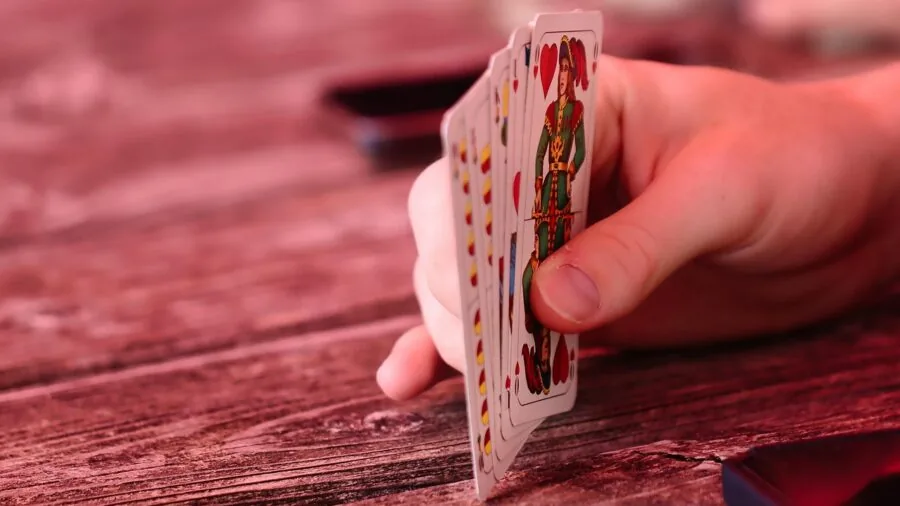
Toddlers are hard on game components. Cardboard tiles that are too thin will curl, tear, and become permanently marked within a few play sessions, effectively ruining the game for fair play.
Look for thick cardstock or laminated tiles in cardboard-based games, and genuine wood construction in wooden travel boards. Wooden components score consistently higher in durability assessments across verified buyer reviews because they resist bending, liquid exposure, and rough handling.
For electronic handheld games, check whether batteries are included or need to be sourced separately. Button-cell batteries in particular raise safety concerns for young children if the compartment is not secured.
All products on this list meet general consumer product safety standards, but always check the minimum age recommendation on the packaging before purchasing for very young children.
Parents who prioritize screen-free development will naturally gravitate toward tile or card formats over electronic variants.
Portability and Storage
Many families use memory games specifically to keep children occupied during travel, whether by car, plane, or at restaurants.
For this use case, a self-contained travel format with a storage tray, zipper pouch, or integrated board is far more practical than a box-based set where loose tiles scatter across the back seat.
Several picks in this roundup are designed explicitly for on-the-go use, featuring compact wooden boards with recessed storage and carrying handles.
Even for home use, easy storage matters for parents. Games that come with a dedicated storage tray or divided box are retrieved more consistently because setup time is minimal. A matching game scattered across a junk drawer rarely gets played.
If your family already invests in quality board games for families, you will appreciate how thoughtful storage design affects how often any game actually hits the table.
Games designed with both portability and organized storage in mind tend to earn the highest replay frequency in household feedback.
Why You Should Trust Us
ProductFind is an independent editorial platform. We do not sell products, take brand payments for placement, or accept review units in exchange for favorable coverage.
Every product in this roundup was researched and scored using our structured evaluation process, which draws on published product specifications, expert review consensus from category specialists, and verified buyer feedback sourced from confirmed purchasers across major retail platforms.
We do not conduct our own product trials; our evaluations are grounded in research, published data, expert review consensus, and verified buyer feedback.
Each product receives a PF Score on a scale of zero to ten, calculated by weighting criteria that are consistent across every product in the same category.
For memory games, those criteria include cognitive effectiveness for the stated age range, material quality and durability, engagement and replay value, ease of setup and storage, and overall value relative to price.
Products are ranked in the list above from highest to lowest PF Score.
Transparency note: ProductFind may earn a commission if you purchase through a link in this article. That affiliate relationship has no bearing on which products are included, how they are ranked, or what scores they receive.
Our recommendations are determined solely by our research criteria and scoring methodology.
Final Thoughts
After evaluating all eleven picks against consistent criteria, here is how the top performers break down by use case and audience.
Choosing the right game comes down to matching the format and theme to your child’s age, play setting, and the skills you most want to build.
If you are still exploring options for family play nights, our coverage of cooperative board games for kids and family board games covers a wide range of complementary picks.
- Best Overall: Ravensburger Great Outdoors Memory Game earns the top PF Score in this roundup thanks to its ideal blend of tile quality, age-inclusive imagery, and proven replay value that consistently draws strong praise from verified buyers across age groups.
- Best for Licensed Character Fans: Wonder Forge Bluey Matching Game delivers one of the highest engagement scores in the group, driven by the massive popularity of its character property with the preschool-to-kindergarten audience it targets.
- Best Classic Disney Option: Wonder Forge Disney Matching Game stands out for its broad thematic appeal across generations, making it a reliable choice when you want a character game with timeless rather than trend-dependent staying power.
- Best Electronic Memory Challenge: Hasbro Gaming Simon Micro Series is the strongest handheld pick in this set, offering a compact, battery-powered sequence challenge that provides genuine cognitive escalation for children aged eight and up at a budget-friendly price point.
- Best Budget Tile Game: Chuckle and Roar Baby Animals Matching Memory Game offers excellent value for preschool households, pairing appealing animal imagery with a accessible price that makes it easy to recommend as a first memory game for toddlers.
Frequently Asked Questions
At what age should kids start playing memory matching games?
Most developmental educators recommend introducing simple matching games as early as age two to three, using sets with very few pairs and large, bold imagery. At this stage, the goal is familiarity with the concept rather than competitive play.
By age four, most children are ready for a full tile set played under standard rules, and by six or seven they can tackle more complex formats including sequence-recall electronics.
Do memory games actually improve cognitive skills?
Yes, with consistent play. Working memory, the ability to hold and manipulate information in the short term, is exercised directly every time a child tries to remember where a previously flipped tile was located.
Researchers in child development have linked regular working memory training to improvements in reading comprehension, arithmetic, and sustained attention. Memory games are one of the simplest, most accessible forms of that training.
If you want to complement game-based learning with more structured educational tools, STEM toys for kids are another well-researched category worth exploring.
How many tiles or pairs should a memory game have for different ages?
A rough guideline: toddlers aged two to four manage best with eight to twelve pairs. Children aged four to six enjoy twenty to twenty-four pairs, which is the standard size for most of the sets in this roundup.
Children seven and older can comfortably handle thirty or more pairs, and at that stage the sequential challenge of electronic memory games, where pattern length grows with each successful round, often provides more age-appropriate cognitive demand than a fixed tile set.
Are electronic memory games better than traditional tile games?
Neither format is universally superior. Traditional tile games build spatial memory and provide a social, turn-based structure that electronic games cannot replicate.
Electronic games, on the other hand, offer self-adjusting difficulty and can be played solo, which makes them useful for independent activity time. For younger children, tile games are typically recommended first.
Electronic variants become genuinely compelling once a child is old enough to follow the escalating challenge, generally around age seven or eight.
What should I look for in a travel memory game specifically?
Prioritize self-contained storage above all else. The best travel memory games come with a board or tray that holds tiles securely so nothing spills in transit. Wooden construction is more durable than cardboard for travel use.
Compact size matters too: a game that fits in a personal bag or carry-on will actually get packed, while an oversized box will stay home.
Several picks in this roundup are purpose-built for travel with these constraints in mind, making them strong candidates if portability is your primary criterion.
Families who enjoy on-the-go play often find that tablets for kids complement rather than replace physical travel games for longer journeys.
Can memory matching games be used as educational tools for pre-readers?
Absolutely. Several picks in this roundup are designed with explicit educational goals, particularly CVC word and phonics matching games that pair images with early reading cues.
These are especially useful for children aged four to eight who are in the pre-reading or early-reading stage.
Beyond phonics-specific sets, even standard picture-matching games support vocabulary development when parents use the matching moment as a prompt to name and discuss what is on each tile.
The educational value of any memory game increases significantly with a small amount of adult engagement during play.
About the author
Manuel is a reviewer and writer for ProductFind who specializes in Board Games & Puzzles for Kids. Manuel evaluates products through independent research: specifications, expert review consensus, and verified buyer feedback, and rates each one on the PF Score. Manuel focuses on helping readers pick the right board games & puzzles for kid for their needs and budget.