The 11 Best Sleep Trackers
Poor sleep is hard to fix when you cannot see what is actually happening at night. This guide breaks down the best sleep trackers across wearables, rings, and contactless options to help you find the right fit.
 By Jacqueline Nguyen
Updated July 23, 2026
By Jacqueline Nguyen
Updated July 23, 2026
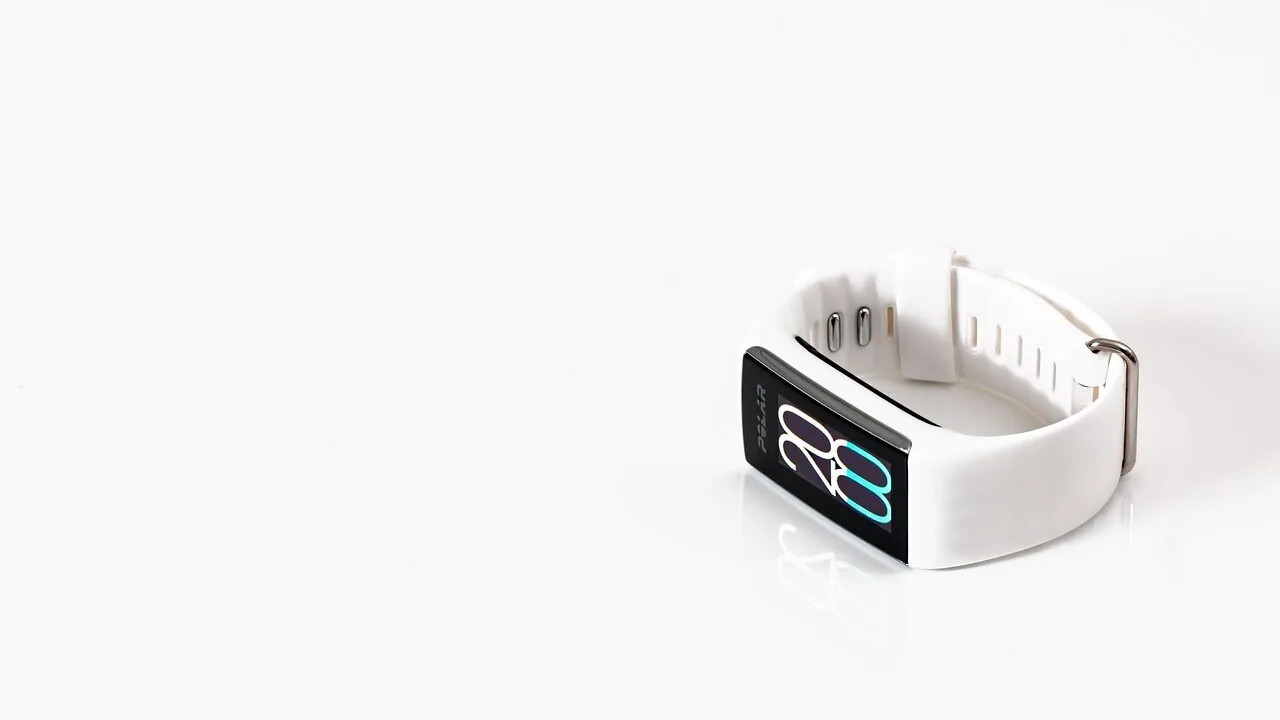
Quality sleep is one of the most powerful levers for better health, sharper focus, and faster recovery, yet most people have no real data on what happens once the lights go out.
A dedicated sleep tracker changes that, surfacing patterns around sleep stages, heart rate variability, breathing, and overnight recovery that a basic smartwatch often misses or buries in a cluttered dashboard.
Whether you wake up groggy despite eight hours in bed or you want to understand how late-night workouts affect your rest, the right tracker gives you actionable insight rather than a vague score to scroll past.
To build this guide, the ProductFind team researched across the full spectrum of sleep tracking hardware available today, from under-mattress pads and wrist-worn wearables to smart rings, contactless radar devices, and budget fitness bands.
We analyzed published specifications, synthesized expert review consensus from across the wearable tech space, and weighed verified buyer feedback covering real-world comfort, app experience, and long-term reliability.
The picks below represent the strongest options at each price tier and use-case, spanning brands like WHOOP, Withings, Garmin, Fitbit, SOMNDEEP, BIEMHA, Bestinn, QVEQ, and ganopterygon. Scroll down to see our ranked top picks.
| Award | Product | PF Score About PF ScoreThe PF Score is our own rating from 0 to 10, based on performance, design and build, ease of use, and value. It reflects independent research and is never influenced by manufacturers, retailers, or affiliate commissions. Learn more › | Price | |
|---|---|---|---|---|
| Best Overall |
 WHOOP Peak 12-Month Membership Fitness Tracker
|
9.1/10 | Buy | |
| Editor's Pick |
 Withings Sleep Under-Mattress Sleep Tracker
|
7.8/10 | Buy | |
| Best Value |
 Garmin Index Sleep Monitor Upper Arm Band
|
7.5/10 | Buy | |
| Top Rated |
 SOMNDEEP Non-Wearable Sleep Tracker with Radar
|
7.2/10 | Buy | |
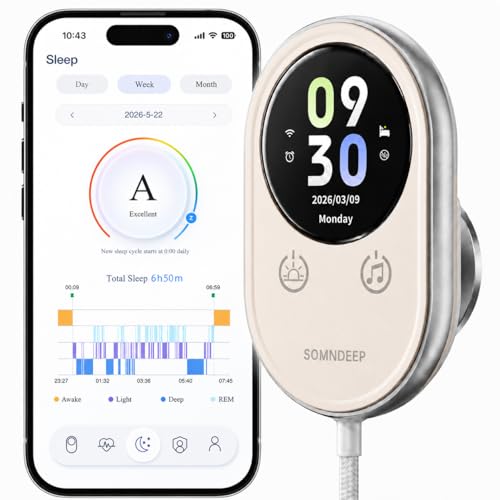 SOMNDEEP 60GHz Radar Contactless Sleep Tracker
|
7.1/10 | Buy | ||
 Fitbit Inspire 3 Fitness Tracker with Heart Rate & Sleep
|
6.2/10 | Buy | ||
 Fitbit Inspire 3 Fitness Tracker
|
6.1/10 | Buy | ||
 Bestinn 1.58" Smartwatch with 120+ Sport Modes
|
5.8/10 | Buy | ||
 BIEMHA Smart Ring Health Tracker, Size 9
|
5.5/10 | Buy | ||
 QVEQ 1.47" Fitness Tracker with Heart Rate Monitor
|
4.9/10 | Buy | ||
 Ganopterygon Smart Bracelet with GPS and 30-Day Battery
|
3.2/10 | Buy |
WHOOP Peak 12-Month Membership Fitness Tracker
A screenless wearable that tracks heart rate, sleep, recovery, and strain 24/7 with AI-powered personalized coaching. Designed for athletes and performance-focused individuals who want deep health insights without constant notifications.
Pros
- Screenless design eliminates notification distractions while enabling all-day wear
- AI adapts recommendations as your body changes, providing evolving personalized coaching
- Comprehensive 24/7 health data including VO2 max, sleep quality, and strain metrics
- Works with major health and fitness platforms for consolidated data view
- Long battery life reduces charging frequency for continuous monitoring
Cons
- No display on device means relying entirely on smartphone app to view metrics
- Premium pricing model includes membership fee beyond initial device purchase
- High rating based on zero verified reviews, limiting real-world user feedback
Withings Sleep Under-Mattress Sleep Tracker
Withings Sleep is an under-mattress sensor that tracks sleep cycles, detects snoring, and monitors heart rate without wearables. It's designed for people seeking detailed sleep insights and cardiovascular health awareness during rest.
Pros
- Non-intrusive design sits under mattress without contact
- Multi-metric tracking combines sleep cycles, snoring, and cardiovascular data
- Automatic snoring detection flags potential sleep disorders
- Compact and lightweight at 0.6 pounds
Cons
- No verified customer reviews available to assess real-world reliability
- Requires compatible smartphone app and setup for full functionality
- Limited detail on how cardiovascular data compares to medical-grade monitors
Garmin Index Sleep Monitor Upper Arm Band
A lightweight armband designed to track sleep metrics including sleep stages, HRV, and recovery data, syncing directly to the Garmin Connect app. Best suited for those already in the Garmin ecosystem or looking for non-wrist sleep monitoring without requiring a smartwatch.
Pros
- Upper arm placement offers comfort alternative to wrist wearables for side sleepers
- Provides comprehensive sleep metrics including HRV and breathing variations
- Lightweight and breathable design rated for all-night wear
- Integrates with Garmin Connect ecosystem for consolidated health data
- Two size options (S-M fit) available
Cons
- No verified customer reviews available to assess real-world reliability and accuracy
- Pulse Ox breathing feature not available in all countries
- Battery life of 7 nights requires frequent charging compared to some competitors
- Requires Garmin Connect app; limited functionality outside the Garmin ecosystem
SOMNDEEP Non-Wearable Sleep Tracker with Radar
A contactless sleep monitor using millimeter-wave radar to track heart rate, breathing, and sleep stages without wearables or cameras. Best for people seeking comfortable sleep monitoring and families wanting to check on loved ones remotely.
Pros
- Truly non-contact design eliminates comfort issues of wearables and privacy concerns of cameras
- Comprehensive sleep data including deep, light, and REM sleep percentages with real-time tracking
- Family safety features allow remote bed-in/bed-out monitoring and activity alerts for elderly or isolated individuals
- Integrates daily activity logging to help identify lifestyle factors affecting sleep quality
- Generates clear, understandable reports with lifestyle recommendations
Cons
- Not cleared for medical use, limited to general wellness reference only
- Requires 2.4GHz Wi-Fi only, not compatible with 5GHz networks
- Requires clean monitoring area free from movement and vibration to maintain consistent data accuracy
SOMNDEEP 60GHz Radar Contactless Sleep Tracker
A bedside sleep monitor that uses 60GHz radar to track breathing patterns, movement, and sleep duration without wearing anything. Best for people who want passive sleep tracking and detailed trend analysis without the hassle of wearables.
Pros
- Completely contactless design eliminates the need for watches, rings, or patches
- Tracks breathing patterns and sleep trends over time for wellness insights
- Easy-to-read app reports with movement and sleep-quality data
- No battery management or daily charging required
Cons
- No blood oxygen monitoring capability, limited to general wellness use only
- Requires 2.4GHz Wi-Fi connection, not compatible with 5GHz networks
- No verified buyer reviews available to assess real-world performance
Fitbit Inspire 3 Fitness Tracker with Heart Rate & Sleep
A lightweight fitness tracker focused on daily wellness, stress, and sleep monitoring with 24/7 heart rate tracking and up to 10 days of battery life. Best for users seeking an affordable entry-level tracker with essential health features and straightforward smartphone notifications.
Pros
- Extended battery life reduces charging frequency compared to many competitors
- Comprehensive wellness tracking covers stress, sleep, heart health, and menstrual cycle in one device
- Super lightweight design with vibrating alarm suitable for all-day and overnight wear
- Color touchscreen with customizable clock faces and smartphone notifications
- Includes substantial Premium membership trial for premium insights and analytics
Cons
- No verified buyer reviews available to assess real-world reliability and user satisfaction
- Limited to basic notification features (calls, texts, app alerts) compared to smartwatch alternatives
- Requires iOS 15+ or Android OS 9+ for full compatibility, excluding older devices
Fitbit Inspire 3 Fitness Tracker
The Inspire 3 combines essential health tracking with a lightweight design, offering 24/7 heart rate monitoring, stress management tools, and sleep scoring. Best suited for users seeking straightforward fitness and wellness insights without premium-tier features.
Pros
- Continuous heart rate monitoring provides ongoing health data throughout the day
- Built-in stress management and sleep tracking address holistic wellness, not just activity
- Includes both small and large band options for proper fit
- Lightweight and compact form factor minimizes daily wear discomfort
Cons
- No user reviews available to validate real-world performance and durability claims
- Limited specification details on display type, battery life, and water resistance
- Focuses on basic health metrics, lacking advanced sports-specific or medical-grade features
Bestinn 1.58" Smartwatch with 120+ Sport Modes
This fitness tracker bundles comprehensive health monitoring (heart rate, blood oxygen, blood pressure, sleep tracking) with 120+ exercise modes and daily activity tracking. It's geared toward users wanting an all-in-one wellness device with smartphone notifications and a customizable touchscreen interface.
Pros
- Comprehensive health metrics available without leaving your wrist
- Extensive exercise library suits varied workout preferences
- Full-touch controls with side button offer smooth navigation
- IP68 waterproof rating suitable for swimming and water activities
- Wide OS compatibility (Android 4.4+, iOS 8.4+)
Cons
- No verified user reviews available to assess real-world reliability
- GPS relies on phone connection rather than standalone capability
- Battery life not specified in product data
BIEMHA Smart Ring Health Tracker, Size 9
This smart ring tracks sleep, heart rate, and daily activity without requiring an app subscription. It offers solid health monitoring features and waterproof durability, though battery life claims vary between specs.
Pros
- No recurring app subscription costs, all features included
- Comprehensive health data tracking including sleep cycles and heart rate
- Extended battery life with charging case reaches 5 days
- High waterproof rating handles swimming and intense exercise
- Compatible with both iOS and Android platforms
Cons
- Battery life specification inconsistency (title claims 5 days, description states 2-3 days base)
- No verified user reviews available to confirm real-world performance
- Requires careful ring size selection beforehand to ensure fit
QVEQ 1.47" Fitness Tracker with Heart Rate Monitor
QVEQ's smartwatch bundles essential health tracking, heart rate and blood oxygen monitoring, plus multi-sport modes into a single touchscreen device. Best for budget-conscious users wanting basic fitness tracking and notifications without premium pricing.
Pros
- Comprehensive health monitoring suite including blood oxygen and blood pressure tracking
- Large 1.47-inch display with responsive touch control and extensive dial customization
- Strong battery endurance with up to 7 days usage per charge
- IP68 waterproof rating handles swimming and intense workouts
- Interchangeable 16mm straps for style flexibility
Cons
- No verified buyer reviews to assess real-world accuracy of health metrics
- 4.2 rating based on zero reviews makes performance reliability unclear
- Limited information on app stability or data syncing consistency across devices
Ganopterygon Smart Bracelet with GPS and 30-Day Battery
A fitness tracker designed for users seeking comprehensive health monitoring without frequent charging. It combines 120+ sport modes with 24/7 heart rate tracking and built-in GPS, though it's limited to sweat and rain resistance rather than full water sports capability.
Pros
- Exceptional 30-day battery life ideal for travel and active users
- Built-in GPS with real-time route mapping for accurate workout data
- Comprehensive health tracking with sleep analysis via companion app
- Includes two interchangeable bands for style versatility
- Works seamlessly with both iOS and Android platforms
Cons
- IP68 rating limits use to sweat and rain only, not swimming or diving
- No verified user reviews available to assess real-world reliability
- Large number of sport modes may overwhelm casual fitness users
Sleep Trackers Buying Guide
Shopping for sleep trackers in 2026 means navigating a genuinely crowded field, with each form factor carrying distinct trade-offs.
Before you commit to a price tier or brand, it helps to understand the criteria that separate a tracker you will actually use every night from one that ends up in a drawer.
Below are the six factors our research consistently points to as most decisive.
Form Factor and Wearability

The single biggest predictor of whether a sleep tracker delivers value is whether you wear it consistently.
Wristbands and smart rings offer the richest biometric data because sensors stay in contact with skin all night, but some sleepers find any wrist-worn device uncomfortable.
A slim fitness band like the Fitbit Inspire 3 or a ring-style option like the BIEMHA Smart Ring can feel nearly invisible by comparison to a chunky smartwatch.
Non-wearable options, such as the Withings Sleep pad or the SOMNDEEP radar monitors, remove the comfort question entirely since they sit under your mattress or on your bedside table.
The trade-off is a meaningful reduction in heart rate precision; contactless devices infer physiological signals rather than measuring them at the skin surface. For most casual sleep optimizers that trade-off is acceptable.
For athletes or anyone tracking heart rate variability seriously, a skin-contact sensor remains the better call.
WHOOP takes a different approach with its dedicated wristband designed purely around recovery and sleep rather than trying to double as a daily fitness tracker or a stylish watch.
That single-purpose focus is a genuine advantage for data depth, though it does mean you are carrying two devices if you also want a smartwatch on your wrist.
Sensor Quality and Sleep Stage Accuracy
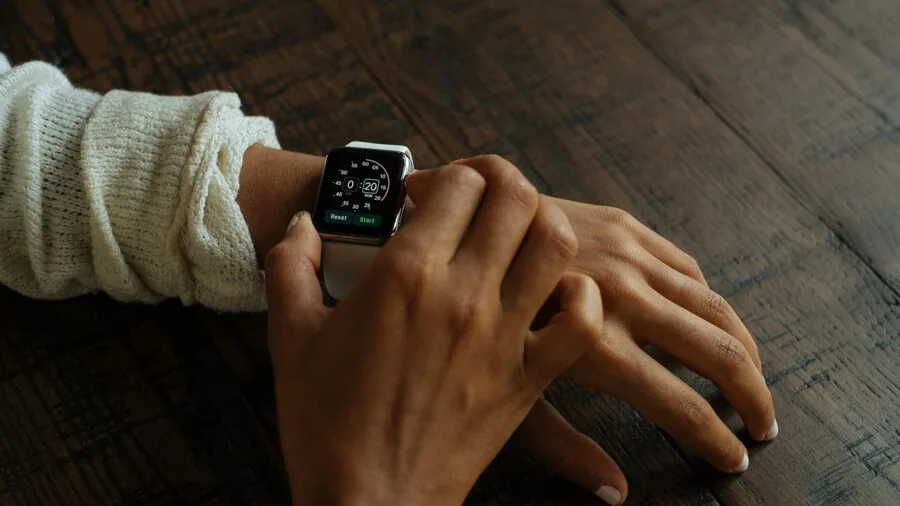
All consumer sleep trackers estimate sleep stages rather than measure them with medical-grade polysomnography. The quality of that estimation varies enormously, however, and it hinges primarily on the optical heart rate sensor and accelerometer inside the device.
Premium trackers from WHOOP and Garmin use multi-wavelength photoplethysmography (PPG) paired with careful algorithms trained on large datasets, which produces more reliable staging than the sensors in budget bands priced at the low end of the market.
Breathing pattern detection is a separate dimension worth examining. The Withings Sleep pad uses a ballistocardiographic sensor embedded in the mat itself, which is surprisingly effective at detecting breathing disruptions and snoring events without any contact discomfort.
SOMNDEEP’s 60GHz radar technology takes a contactless approach that can detect micro-movements and respiratory rate without any physical contact, which is clinically interesting even if it remains less validated than chest or wrist PPG sensors.
If breathing or potential apnea events are a concern, lean toward devices with explicit breathing-rate tracking rather than those that infer it only from movement.
And keep in mind that no consumer device replaces a clinical sleep study if you have genuine concerns about a sleep disorder.
App Experience and Actionable Insights
Raw sleep data is only useful if the companion app translates it into clear guidance.
The best apps do three things well: they surface trends over weeks and months rather than fixating on single-night outliers, they offer personalized recommendations rather than generic advice, and they keep the interface navigable without a steep learning curve.
WHOOP’s app is widely cited in expert consensus as one of the most data-rich sleep and recovery interfaces available on a consumer wearable, though reviewers also note that the volume of data can feel overwhelming to users who just want a simple sleep score.
Fitbit’s app, by contrast, is notably more approachable and integrates seamlessly into the Google Health ecosystem, which matters if you are already invested in that platform.
Garmin’s Connect app sits somewhere in the middle, offering serious depth for the analytically minded without quite the intimidation factor of WHOOP.
Budget trackers from brands like Bestinn, QVEQ, and ganopterygon often pair with generic companion apps that display basic data adequately but lack trend analysis or contextual coaching. For occasional sleep curiosity that may be sufficient.
For anyone serious about sleep optimization, the app is as important a purchase decision as the hardware itself.
Battery Life and Charging Convenience

A sleep tracker that needs nightly charging creates an obvious problem. Look for devices that offer enough battery life to establish a sustainable charging routine without interrupting your tracking data.
WHOOP’s flagship wearable advertises over 14 days of battery life and supports charging while being worn via a slide-on battery pack, which is a genuinely elegant solution to the nightly-charging dilemma. Garmin’s Index Sleep Monitor is similarly strong in this department.
Fitness bands and budget smartwatches vary widely.
The ganopterygon bracelet claims up to 30 days of battery life, which sounds appealing on paper, though expert reviewers note that real-world battery figures for budget trackers often fall well short of manufacturer claims when GPS or continuous heart rate monitoring is active.
Rings like the BIEMHA option typically offer around five days, which is short but manageable if you charge during morning routines. Wired mattress pads like the Withings Sleep have no battery concern at all since they run on mains power.
Subscription Model and Total Cost of Ownership

This is an underappreciated dimension of the sleep tracker market.
WHOOP bundles its hardware cost into a membership fee that covers app access and hardware upgrades, which makes the true cost per year significantly higher than the device price tag alone suggests.
Fitbit includes a limited Google Health Premium trial but charges for ongoing premium features beyond the trial period. Garmin and Withings generally unlock full app functionality without a recurring subscription, which lowers long-term cost of ownership considerably.
Budget options from Bestinn, QVEQ, and similar brands typically require no subscription at all, and the BIEMHA Smart Ring explicitly advertises no subscription required, which is a meaningful differentiator in a category where ongoing fees can quietly double the annual spend.
Factor in subscription costs when comparing price tiers, not just the hardware sticker price.
Compatibility and Ecosystem Integration

Check that any tracker you consider supports your smartphone’s operating system before purchasing. Most devices listed here are compatible with both Android and iOS, but verify the specific version requirements.
Beyond basic compatibility, think about whether you want your sleep data to feed into a broader health platform. Fitbit’s deep Google Health integration is a genuine advantage for Android users.
If you already own a Garmin GPS watch or a Garmin cycling computer, the Index Sleep Monitor slots naturally into an existing Connect ecosystem without adding another app to your phone.
For users who are also evaluating smartwatches with built-in sleep tracking, it is worth noting that dedicated sleep trackers almost universally outperform the sleep-stage accuracy of general-purpose smartwatches at equivalent price points.
Wearing a sleep tracker alongside a watch is a common setup among serious recovery-focused users, particularly athletes.
Why You Should Trust Us
ProductFind is an independent review publication with no brand affiliations and no products of our own to sell.
Every tracker in this guide was evaluated against a consistent set of criteria and scored on our 0 to 10 PF Score scale, which weighs sensor quality and sleep stage accuracy, app and data quality, comfort and wearability, battery life, subscription cost and long-term value, and verified user satisfaction.
We do not conduct our own product trials; our evaluations are grounded in research, published data, expert review consensus, and verified buyer feedback.
That means we draw on a broad base of real-world evidence rather than a single reviewer’s experience over a few nights, and our rankings are updated as new products launch, firmware changes alter performance, or verified buyer sentiment shifts meaningfully over time.
ProductFind may earn a commission if you purchase through links in this article. That affiliate relationship has zero influence on our rankings, PF Scores, or editorial choices.
Our recommendations are determined solely by the quality of each product relative to our evaluation criteria, not by commission rates or promotional arrangements. We cover trade-offs honestly and will note limitations alongside strengths for every pick.
Final Thoughts
There is a right sleep tracker for every type of user in this lineup, from the recovery-obsessed athlete to the curious sleeper who simply wants to stop waking up exhausted.
Here is how we would summarize the standout picks based on our research and PF Scores.
- Best Overall: WHOOP Peak earns the top PF Score in this roundup thanks to its exceptional recovery metrics, personalized coaching, and industry-leading battery life, making it the most complete sleep and wellness tracker in the group for users willing to commit to the membership model.
- Best Under-Mattress Option: Withings Sleep is the strongest choice for anyone who refuses to wear anything to bed. Its under-mattress sensor delivers surprisingly rich data on sleep cycles and breathing patterns with no wearability concerns whatsoever.
- Best Dedicated Sleep Band: Garmin Index Sleep Monitor stands out as a purpose-built wrist tracker with serious sensor quality and full Garmin Connect integration, earning a strong PF Score for users already in the Garmin ecosystem or seeking a no-subscription advanced option.
- Best Contactless Radar Tracker: SOMNDEEP Non-Wearable Smart Sleep Tracker offers the most compelling contactless technology in the lineup, combining 60GHz radar with daily trend reports and breathing pattern monitoring, a genuinely novel approach for those who want data without any device touching their body.
- Best Value Wearable: Fitbit Inspire 3 balances approachable sleep tracking, stress monitoring, and heart rate data in a comfortable band backed by the Google Health platform, earning a respectable PF Score for users who want ecosystem depth at a mid-range price.
If you are exploring adjacent wearable categories, our coverage of smart rings worth wearing every day and fitness trackers for every goal and budget rounds out the picture for anyone building a broader health-tracking setup.
Frequently Asked Questions
How accurate are consumer sleep trackers compared to a sleep lab?
No consumer sleep tracker matches the accuracy of clinical polysomnography, which uses EEG electrodes to measure brain activity directly.
Consumer devices estimate sleep stages primarily through heart rate patterns and movement data, which means they can misclassify light sleep as deep sleep or vice versa on individual nights.
That said, premium trackers from WHOOP, Garmin, and Withings have been shown in published validation studies to perform reasonably well at identifying sleep stage trends over time, even if single-night granular accuracy remains imperfect.
They are best understood as trend tools rather than clinical instruments. If you suspect a genuine sleep disorder such as sleep apnea, a clinician referral and a proper sleep study remain the appropriate path.
Is a smart ring or a wristband better for sleep tracking?
Both form factors use optical heart rate sensors and accelerometers, so the underlying measurement approach is similar. Rings tend to be more comfortable for overnight wear since they have no clasp, screen, or bulk at the wrist.
Wristbands can offer more display functionality and integrate more seamlessly with activity tracking during the day. If pure sleep comfort is your top priority, a ring is worth considering.
If you want a single device that handles sleep, workouts, and daily notifications, a wristband or smartwatch is more versatile. See our dedicated guide to wearable smart rings for a deeper comparison of ring-specific options.
Do I need to pay a subscription to get useful sleep data?
Not necessarily. Garmin and Withings provide full app functionality without a recurring fee, and the BIEMHA Smart Ring in this roundup explicitly requires no subscription.
WHOOP, on the other hand, bundles hardware into a membership that is effectively a subscription, and Fitbit’s deeper analytics features sit behind an optional Google Health Premium tier after the included trial period.
Always calculate the total annual cost including any subscription before comparing price tiers. A device that looks affordable upfront can end up costing more per year than a premium tracker with no ongoing fees.
Can a sleep tracker help with snoring or sleep apnea detection?
Some trackers can flag potential breathing disruptions or elevated breathing irregularity that may warrant further investigation, but they are not diagnostic tools for sleep apnea.
The Withings Sleep pad is notably capable at detecting snoring events and breathing disturbances through its ballistocardiographic sensor. SOMNDEEP’s radar monitors also track breathing patterns continuously.
If a tracker consistently flags unusual breathing patterns, that information can be useful context to bring to a physician, but a formal diagnosis requires a clinical evaluation.
Think of the data as a conversation starter with your doctor, not a verdict.
What is the best sleep tracker for someone who also does serious exercise?
For athletes and active users who want both recovery-focused sleep analytics and workout tracking in a single platform, WHOOP is the most purpose-built option in this group and earned the highest PF Score in our research for precisely that reason.
Its recovery score, strain coach, and sleep performance metrics are designed to work together as a system rather than as standalone features.
Garmin’s Index Sleep Monitor pairs well with other Garmin devices if you already use a Garmin GPS watch for running or cycling, giving you a unified ecosystem view of training load alongside sleep recovery.
Fitbit Inspire 3 is a capable mid-range option if you want something lighter and more casual.
Are budget sleep trackers worth buying?
Budget trackers from brands like Bestinn, QVEQ, and ganopterygon can provide a useful introduction to sleep tracking at a low barrier to entry. They reliably capture total sleep duration and broad movement data, and some include basic heart rate monitoring.
Where they fall short is sleep stage granularity, app sophistication, sensor consistency over time, and long-term build quality. Verified buyer feedback across these budget options shows higher variability in accuracy and durability compared to the established brands.
If you are genuinely curious about sleep trends and budget is a hard constraint, a budget tracker offers real value.
If you want data you can act on with confidence, investing in a mid-range or premium option typically pays off in data quality and longevity.
About the author
Jacqueline is a reviewer and writer for ProductFind who specializes in Wearable Tech. Jacqueline evaluates products through independent research: specifications, expert review consensus, and verified buyer feedback, and rates each one on the PF Score. Jacqueline focuses on helping readers pick the right wearable tech for their needs and budget.